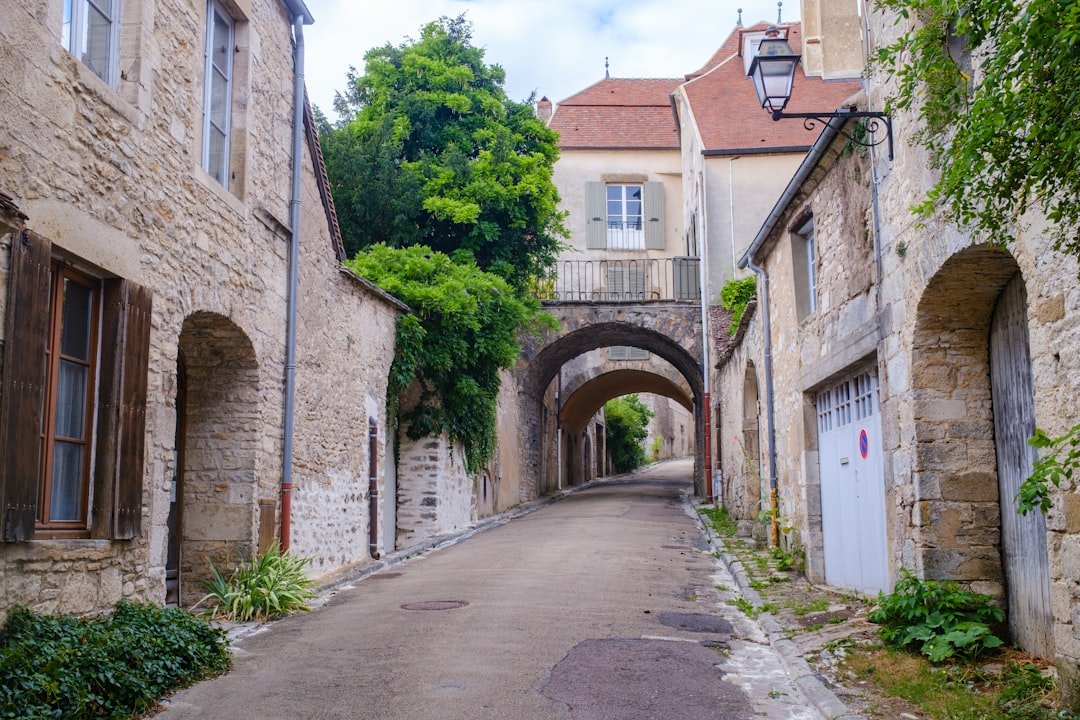
France is often celebrated for its iconic cities like Paris, Lyon, and Marseille, but the true essence of the country can be found in its lesser-known villages. These quaint hamlets, often nestled in picturesque landscapes, offer a glimpse into the traditional French way of life that has remained largely unchanged over the centuries. Villages such as Riquewihr in Alsace, with its half-timbered houses and cobblestone streets, transport visitors back in time.
The village is surrounded by vineyards, and its wine cellars produce some of the finest Rieslings in the region. Wandering through Riquewihr, one can enjoy the aroma of freshly baked bread wafting from local boulangeries and the sight of artisans crafting goods in their workshops. Another hidden gem is the village of Eze, perched high on a cliff overlooking the Mediterranean Sea.
This medieval village boasts narrow winding streets adorned with vibrant bougainvillea and offers breathtaking views that are nothing short of enchanting. The exotic gardens at the top of Eze provide a serene escape, showcasing a variety of succulents and cacti against the backdrop of the azure sea. Visitors can explore the local shops selling handmade crafts and enjoy a meal at one of the charming restaurants that serve traditional Provençal cuisine.
These villages not only offer stunning scenery but also a sense of community and history that is often lost in larger urban areas.
Exploring France’s Underrated Natural Wonders
While France is renowned for its cultural landmarks, it is also home to a plethora of natural wonders that often go unnoticed. The Verdon Gorge, often referred to as the “Grand Canyon of Europe,” is a breathtaking river canyon located in southeastern France. With its turquoise waters and towering limestone cliffs, it offers a stunning backdrop for outdoor activities such as hiking, kayaking, and rock climbing.
The area is rich in biodiversity, making it a haven for nature enthusiasts and photographers alike. The dramatic landscapes are complemented by charming villages like Moustiers-Sainte-Marie, known for its pottery and stunning views. Another remarkable natural wonder is the Camargue region, famous for its unique ecosystem that includes salt flats, marshes, and rice paddies.
This area is home to wild white horses, pink flamingos, and a variety of other wildlife that thrive in its diverse habitats. Visitors can explore the region on horseback or by bike, taking in the stunning scenery while learning about the traditional herding culture that has existed here for generations. The Camargue’s natural beauty is complemented by its rich cultural heritage, making it an ideal destination for those seeking both adventure and tranquility.
Off-the-Beaten-Path Historical Sites in France
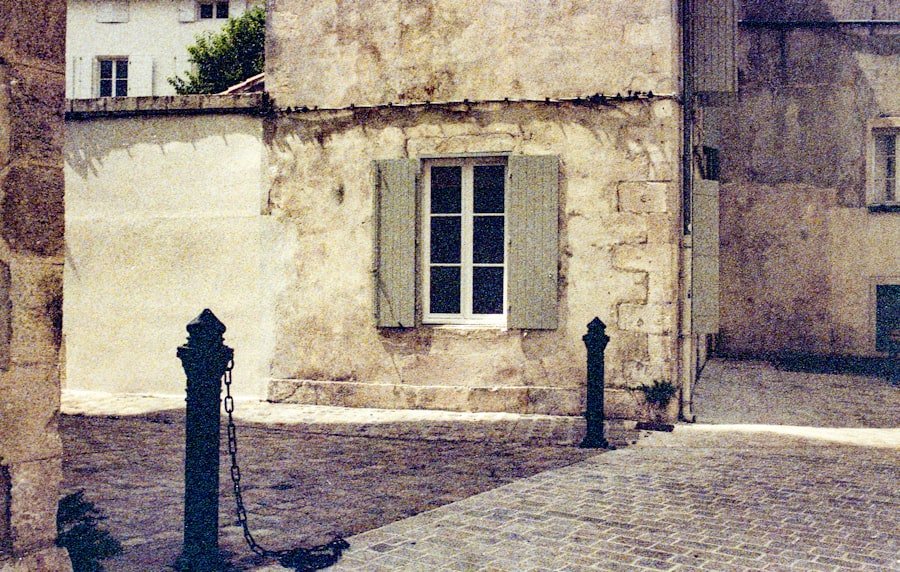
France’s history is rich and varied, with countless historical sites that tell the story of its past. While many tourists flock to well-known landmarks like the Eiffel Tower or the Palace of Versailles, there are numerous lesser-known sites that offer equally fascinating insights into French history. One such site is the medieval fortress of Carcassonne, located in the Languedoc region.
This UNESCO World Heritage site features double walls and 53 towers, providing a glimpse into medieval military architecture. Visitors can wander through its narrow streets, explore the castle’s interior, and even attend medieval-themed events that bring history to life. Another hidden historical treasure is the Abbey of Saint-Savin, located in the Vienne department.
This Romanesque abbey is renowned for its stunning frescoes that date back to the 11th century, depicting biblical scenes with remarkable detail and color. The abbey’s architecture reflects the artistic styles of its time, making it a significant site for those interested in medieval art and history. Unlike more crowded tourist attractions, Saint-Savin offers a peaceful atmosphere where visitors can appreciate the beauty of its surroundings while delving into France’s rich ecclesiastical history.
France’s Best-Kept Secret Beaches
While France is famous for its glamorous beaches along the Côte d’Azur, there are numerous lesser-known coastal gems that offer pristine sands and crystal-clear waters without the crowds. One such beach is Plage de Saleccia on the island of Corsica. Accessible only by a rugged dirt road or a scenic hike, this secluded beach boasts soft white sands framed by lush green hills and turquoise waters.
The remote location makes it an ideal spot for those seeking solitude and natural beauty away from bustling tourist hotspots. Another hidden beach paradise can be found at Île de Ré, an island off the west coast of France. Known for its charming villages and salt marshes, Île de Ré features several uncrowded beaches where visitors can relax and soak up the sun.
The beach at La Conche des Baleines is particularly stunning, with its golden sands stretching for miles and picturesque dunes providing a serene backdrop. Here, one can enjoy leisurely walks along the shore or indulge in water sports such as windsurfing and paddleboarding while savoring fresh seafood from local restaurants.
Hidden Culinary Delights: France’s Lesser-Known Foodie Destinations
| Hidden Gem | Location | Type | Average Annual Visitors | Best Time to Visit | Unique Feature |
|---|---|---|---|---|---|
| Gorges du Verdon | Provence-Alpes-Côte d’Azur | Natural Canyon | 300,000 | May to September | Europe’s deepest river canyon with turquoise waters |
| Rocamadour | Occitanie | Medieval Village | 250,000 | April to October | Cliffside pilgrimage site with historic chapels |
| Île de Bréhat | Brittany | Island | 50,000 | June to September | Car-free island known for wildflowers and coastal paths |
| Château de Chambord | Centre-Val de Loire | Renaissance Castle | 700,000 | April to October | Largest château in the Loire Valley with unique double helix staircase |
| Les Calanques | Provence-Alpes-Côte d’Azur | Coastal National Park | 400,000 | May to September | Steep limestone cliffs and turquoise inlets ideal for hiking and swimming |
| Conques | Occitanie | Medieval Village | 30,000 | April to October | UNESCO World Heritage site on the pilgrimage route to Santiago de Compostela |
France’s culinary scene is world-renowned, but beyond Michelin-starred restaurants lie hidden foodie destinations that offer authentic regional flavors. One such place is Lyon’s Croix-Rousse district, known for its vibrant food markets and traditional bouchons—small bistros serving hearty local dishes. Here, visitors can sample specialties like coq au vin or quenelles de brochet while enjoying the lively atmosphere created by local chefs and artisans.
The district’s market at Les Halles de Lyon Paul Bocuse showcases an array of gourmet products from cheeses to charcuterie, making it a paradise for food lovers. In addition to Lyon, the town of Saint-Jean-de-Luz in the Basque Country offers a unique culinary experience influenced by both French and Spanish traditions. Known for its seafood, particularly anchovies and tuna, this coastal town features bustling markets where fresh catches are sold daily.
Visitors can indulge in pintxos—small tapas-style dishes—at local bars or enjoy a meal at one of the many seaside restaurants overlooking the harbor. The combination of fresh ingredients and traditional cooking methods creates a culinary experience that reflects the region’s rich cultural heritage.
Uncovering France’s Unique Art and Cultural Experiences
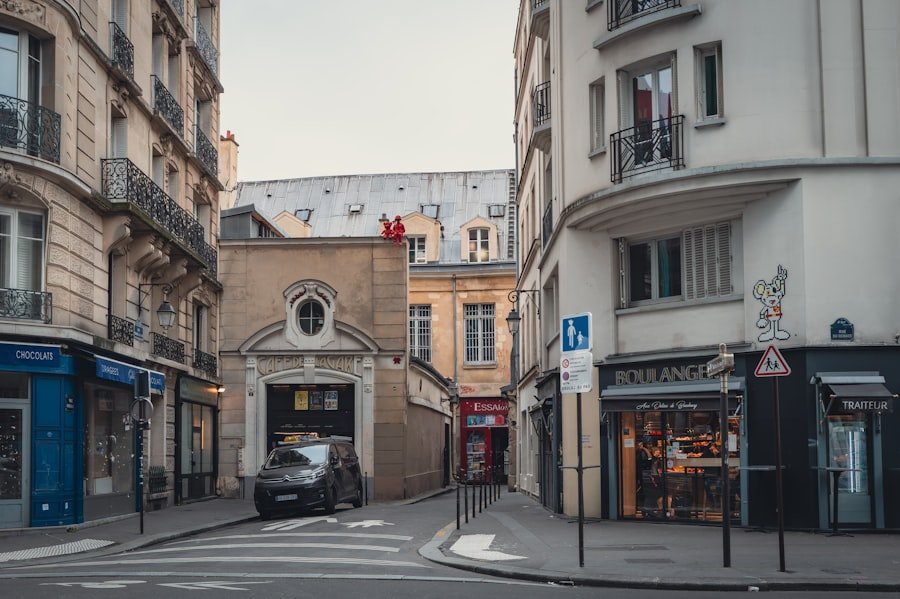
France has long been a hub for art and culture, but beyond famous museums like the Louvre lies a wealth of unique artistic experiences waiting to be discovered. One such experience can be found in the village of Saint-Paul-de-Vence, known for its vibrant art scene and galleries showcasing contemporary works alongside traditional pieces. The Fondation Maeght is a must-visit for art enthusiasts; this modern art museum features works by renowned artists such as Marc Chagall and Alberto Giacometti set against stunning gardens designed by landscape architect Jacques Couëlle.
In addition to visual arts, France offers unique cultural experiences through festivals celebrating regional traditions. The Fête de la Musique held annually on June 21st transforms towns across France into stages for musicians of all genres to perform freely in public spaces. This celebration of music fosters community spirit while showcasing local talent alongside established artists.
From street performances to intimate concerts in cafés, this festival highlights France’s rich musical heritage and invites everyone to participate in the joy of live music.
Secret Gardens and Parks: France’s Hidden Oases
Amidst bustling cities and tourist attractions lie tranquil gardens and parks that provide a peaceful retreat from the chaos of everyday life. One such hidden oasis is the Jardin des Plantes in Paris, often overshadowed by larger parks like Luxembourg Gardens. This botanical garden features an impressive collection of plants from around the world, along with beautiful greenhouses housing exotic species.
Visitors can stroll along winding paths lined with vibrant flowers or relax by serene ponds while enjoying a moment of tranquility amidst nature. Another enchanting garden can be found at Château de Villandry in the Loire Valley. Renowned for its meticulously designed Renaissance gardens, Villandry offers visitors an opportunity to explore various themed sections including vegetable gardens, ornamental flower beds, and water features.
Each garden reflects a different aspect of French horticultural tradition while providing stunning views of the surrounding countryside. The attention to detail in these gardens creates an immersive experience that transports visitors into a world where nature and artistry coexist harmoniously.
France’s Quirkiest and Most Unusual Attractions
For those seeking something out of the ordinary, France boasts an array of quirky attractions that defy conventional tourism experiences. One such site is Le Palais Idéal in Hauterives, an extraordinary structure built by postman Ferdinand Cheval over 33 years using stones he collected during his mail routes. This fantastical palace features intricate sculptures inspired by various architectural styles from around the world, making it a testament to one man’s vision and determination.
Another unusual attraction is Les Machines de l’île in Nantes—a whimsical theme park that combines art and engineering inspired by Jules Verne’s literary works. Visitors can explore giant mechanical creatures such as a moving elephant or ride on a carousel featuring fantastical sea creatures. This imaginative space encourages creativity while showcasing innovative craftsmanship through interactive exhibits that captivate both children and adults alike.
Through these lesser-known aspects of France—from charming villages to hidden culinary delights—travelers can uncover a side of this beautiful country that remains largely unexplored yet rich with experiences waiting to be discovered.
FAQs
What are some hidden gems in France that most tourists miss?
Some hidden gems in France include the village of Eguisheim in Alsace, the medieval town of Pérouges near Lyon, the lavender fields of the Luberon region, the Calanques National Park near Marseille, and the charming port town of Honfleur in Normandy.
Why should I visit hidden gems in France instead of popular tourist spots?
Visiting hidden gems allows you to experience authentic local culture, avoid large crowds, enjoy unique landscapes, and often find better value in accommodations and dining. It also provides a more relaxed and intimate travel experience.
Are hidden gems in France accessible by public transportation?
Many hidden gems are accessible by public transportation, but some may require renting a car or taking local buses. It is advisable to research transportation options in advance to plan your visit efficiently.
When is the best time to visit these hidden gems in France?
The best time to visit hidden gems in France is typically during the shoulder seasons of spring (April to June) and autumn (September to October) when the weather is pleasant, and tourist crowds are smaller.
Do hidden gems in France offer accommodations and dining options?
Yes, many hidden gems have charming bed and breakfasts, boutique hotels, and local restaurants that offer authentic French cuisine. However, options may be more limited than in major cities, so booking in advance is recommended.
Can I find guided tours to explore these hidden gems?
Some hidden gems offer guided tours, often led by local experts or small tour companies. These tours can provide deeper insights into the history, culture, and natural beauty of the area.
Are these hidden gems family-friendly?
Many hidden gems in France are family-friendly, offering outdoor activities, historical sites, and cultural experiences suitable for all ages. It is best to check specific attractions for age-appropriate activities.
Is it safe to travel to lesser-known places in France?
Yes, France is generally a safe country for travelers, including in lesser-known areas. Standard travel precautions should be followed, such as safeguarding personal belongings and being aware of your surroundings.
How can I find more information about hidden gems in France?
You can find information through travel guides, official tourism websites, travel blogs, and forums. Local tourist offices in France also provide valuable resources and maps for exploring hidden gems.