Heart rate monitoring has become a cornerstone feature in modern fitness technology, providing users with real-time insights into their cardiovascular health and exercise intensity. Devices equipped with heart rate sensors utilize photoplethysmography (PPG) technology, which measures blood flow through the skin. This method allows for continuous tracking of heart rate during various activities, from casual walking to high-intensity interval training.
The ability to monitor heart rate in real-time enables users to optimize their workouts by ensuring they remain within their target heart rate zones, which is crucial for maximizing fat burning and improving cardiovascular fitness. Moreover, advanced heart rate monitoring features often include the ability to track heart rate variability (HRV), a metric that can provide insights into an individual’s overall health and stress levels. A higher HRV is generally associated with better cardiovascular fitness and a more resilient autonomic nervous system.
For instance, athletes may use HRV data to gauge their recovery status and adjust their training intensity accordingly. This level of detail not only enhances performance but also promotes a more holistic approach to fitness, encouraging users to listen to their bodies and prioritize recovery as much as the workout itself.
GPS Tracking
GPS tracking has revolutionized the way individuals engage with outdoor activities, providing precise location data that enhances the overall experience of running, cycling, hiking, and other outdoor sports. By utilizing satellite technology, GPS-enabled devices can accurately map routes, track distance traveled, and monitor pace in real-time. This feature is particularly beneficial for runners and cyclists who wish to analyze their performance over specific routes or terrains.
For example, a cyclist can assess how their speed varies on different segments of a ride, allowing for targeted improvements in performance. In addition to performance metrics, GPS tracking also offers safety benefits. Many devices come equipped with features that allow users to share their location with friends or family, providing peace of mind during solo outdoor activities.
Some advanced models even include safety alerts that can notify emergency contacts if the user experiences a fall or sudden stop. This integration of GPS technology not only enhances the training experience but also fosters a sense of security for those who venture into remote or unfamiliar areas.
Activity and Workout Tracking
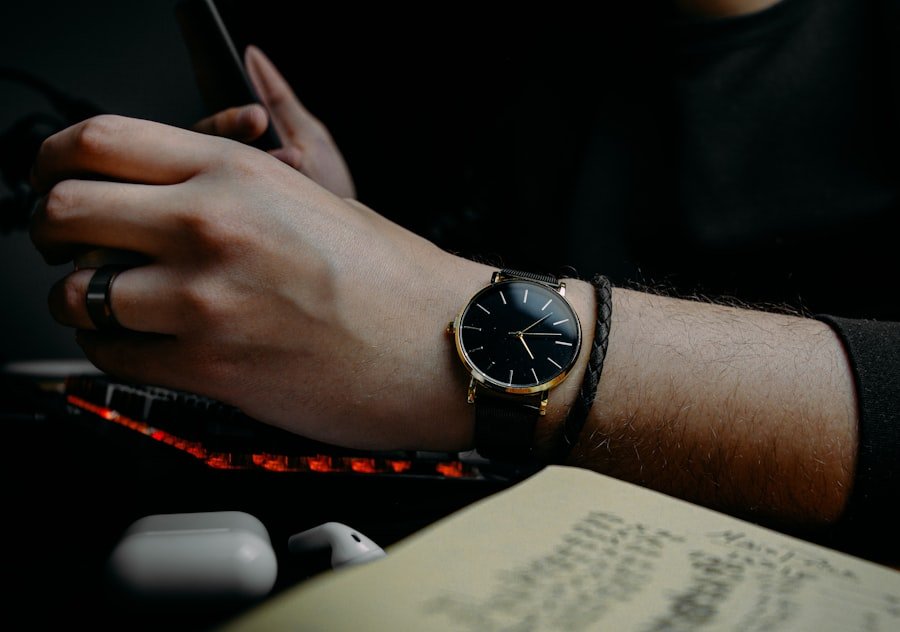
Activity and workout tracking has evolved significantly, moving beyond simple step counting to encompass a wide range of metrics that provide a comprehensive view of an individual’s physical activity. Modern fitness trackers can monitor various types of workouts, from strength training to yoga, automatically recognizing the type of exercise being performed. This capability allows users to focus on their workouts without the distraction of manually logging each session.
For instance, a user engaged in a high-intensity interval training (HIIT) session can rely on their device to accurately capture the duration and intensity of each interval. Furthermore, many devices offer detailed analytics post-workout, including calories burned, average heart rate, and even recovery time recommendations. This data is invaluable for individuals looking to improve their fitness levels or achieve specific goals, such as weight loss or muscle gain.
By analyzing trends over time, users can identify patterns in their activity levels and make informed decisions about their training regimens. For example, someone preparing for a marathon can track their long runs and adjust their training plan based on performance metrics gathered over several weeks.
Sleep Tracking
Sleep tracking has gained prominence as an essential feature in fitness devices, reflecting the growing recognition of sleep’s critical role in overall health and well-being. Advanced sleep tracking technology utilizes accelerometers and heart rate sensors to monitor sleep patterns, providing insights into sleep duration, quality, and stages of sleep—light, deep, and REM. By analyzing this data, users can gain a better understanding of their sleep habits and make necessary adjustments to improve sleep quality.
For instance, a user may discover that they consistently wake up during the night or have insufficient deep sleep. Armed with this information, they can implement changes such as adjusting their bedtime routine or creating a more conducive sleep environment. Some devices even offer personalized recommendations based on sleep data, such as optimal bedtimes or relaxation techniques to enhance sleep quality.
This focus on sleep tracking not only aids in improving physical performance but also contributes to mental health by emphasizing the importance of restorative rest.
Water Resistance
| Feature | Description | Usefulness for Fitness Tracking | Common Metrics Tracked |
|---|---|---|---|
| Heart Rate Monitor | Measures your heart rate continuously or on demand. | High – Helps monitor workout intensity and recovery. | Beats per minute (BPM), resting heart rate, heart rate zones |
| GPS Tracking | Tracks your location and distance during outdoor activities. | High – Essential for running, cycling, and hiking metrics. | Distance, pace, route mapping, elevation |
| Step Counter (Pedometer) | Counts the number of steps taken throughout the day. | Medium – Useful for general activity tracking and motivation. | Steps, distance walked |
| Sleep Tracking | Monitors sleep duration and quality. | Medium – Important for recovery and overall health. | Sleep stages, total sleep time, sleep quality score |
| Calorie Burn Estimation | Estimates calories burned based on activity and heart rate. | Medium – Helps with weight management and energy balance. | Calories burned per activity, total daily calories |
| Activity Recognition | Automatically detects type of exercise (e.g., running, cycling). | High – Provides accurate workout data without manual input. | Exercise type, duration, intensity |
| VO2 Max Estimation | Estimates maximum oxygen consumption during exercise. | High – Indicator of cardiovascular fitness level. | VO2 max value |
| Stress Monitoring | Measures physiological stress levels using heart rate variability. | Low to Medium – Useful for overall wellness but less direct for fitness. | Stress score, recovery time |
| Water Resistance | Allows use during swimming or in wet conditions. | Medium – Enables tracking of swimming workouts. | Swim distance, stroke count, lap times |
| Music Control | Allows control of music playback during workouts. | Low – Enhances workout experience but not a fitness metric. | None |
Water resistance is a crucial feature for fitness enthusiasts who engage in aquatic activities or simply want the peace of mind that comes with knowing their device can withstand exposure to moisture. Many modern fitness trackers are designed with varying levels of water resistance, often rated using the International Electrotechnical Commission (IEC) standard known as IP (Ingress Protection). For example, a device rated IP68 can be submerged in water beyond 1 meter for extended periods without damage, making it suitable for swimming or showering.
The significance of water resistance extends beyond just protection; it also opens up new avenues for tracking performance in water-based activities. Swimmers can benefit from devices that accurately measure lap counts, stroke efficiency, and even SWOLF (a measure of swimming efficiency). This data allows swimmers to refine their technique and improve overall performance in the pool.
Additionally, water-resistant devices are ideal for those who lead active lifestyles and may encounter rain or sweat during workouts, ensuring that their technology remains functional regardless of environmental conditions.
Music Control
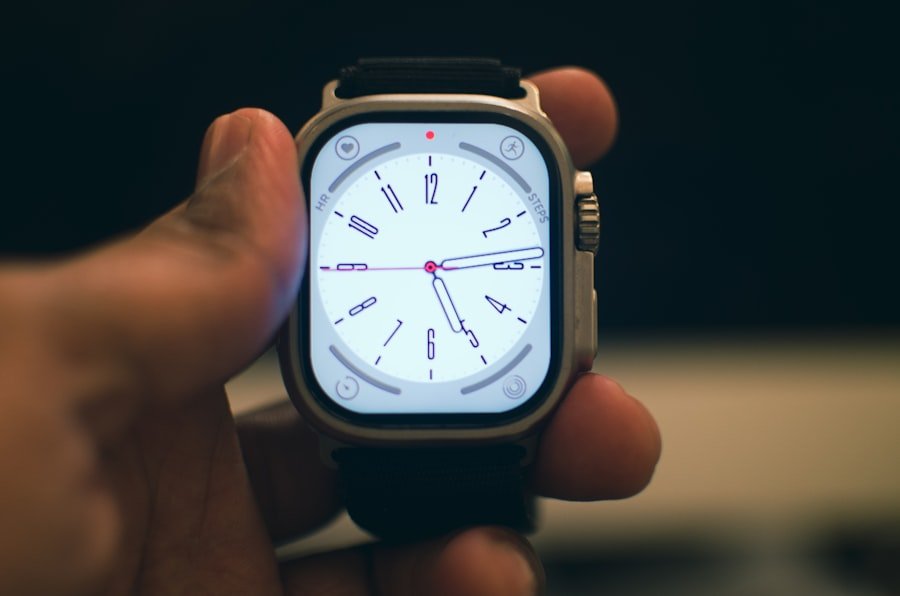
The integration of music control features into fitness devices has transformed the way individuals experience workouts. The ability to control music playback directly from a fitness tracker or smartwatch allows users to stay focused on their activities without needing to fumble with their smartphones. Many devices support popular music streaming services, enabling users to create playlists tailored to their workout intensity or mood.
For instance, an individual might choose upbeat tracks for high-energy cardio sessions while opting for more mellow tunes during yoga or stretching. Moreover, some advanced models offer offline music storage capabilities, allowing users to download playlists directly onto their devices. This feature is particularly advantageous for those who prefer to leave their phones behind during workouts or outdoor activities.
By having access to music without the need for a smartphone connection, users can enjoy uninterrupted sessions while maintaining motivation through their favorite tracks. The seamless integration of music control not only enhances the workout experience but also contributes to improved performance by keeping users engaged and energized.
Personalized Coaching
Personalized coaching has emerged as a game-changer in the realm of fitness technology, offering tailored guidance based on individual goals and performance metrics. Many fitness devices now incorporate artificial intelligence algorithms that analyze user data to provide customized workout plans and coaching tips. For example, an individual aiming to run a 5K might receive a structured training program that gradually increases mileage while incorporating rest days and cross-training activities.
Additionally, personalized coaching often includes real-time feedback during workouts. Devices equipped with voice prompts can provide encouragement or corrective advice based on performance metrics such as pace or heart rate. This level of interaction creates a more engaging workout experience and helps users stay accountable to their fitness goals.
Furthermore, some platforms offer virtual coaching sessions where users can connect with certified trainers for personalized advice and motivation, bridging the gap between technology and human support in achieving fitness aspirations.
Long Battery Life
Long battery life is an essential consideration for anyone investing in fitness technology, as it directly impacts usability and convenience. Many modern fitness trackers are designed with energy-efficient components that allow them to operate for days or even weeks on a single charge. For instance, some devices boast battery life extending beyond two weeks under normal usage conditions, making them ideal for individuals who engage in extended outdoor activities or travel frequently.
The importance of long battery life cannot be overstated; it ensures that users can rely on their devices without the constant need for recharging. This is particularly beneficial during events like marathons or multi-day hikes where access to charging facilities may be limited. Additionally, extended battery life allows for continuous monitoring of health metrics such as heart rate and sleep patterns without interruption.
Users can confidently wear their devices around the clock, gaining valuable insights into their health without the hassle of frequent charging interruptions.
FAQs
What are the key smartwatch features for fitness tracking?
Key features include heart rate monitoring, GPS tracking, step counting, sleep tracking, calorie tracking, and workout recognition. These help users monitor their physical activity and health metrics effectively.
How does heart rate monitoring benefit fitness tracking?
Heart rate monitoring provides real-time data on your cardiovascular activity, helping you optimize workouts, track intensity, and monitor recovery.
Is GPS tracking important in a fitness smartwatch?
Yes, GPS tracking allows accurate measurement of distance, pace, and route during outdoor activities like running, cycling, and hiking.
Can smartwatches track different types of workouts?
Many smartwatches support automatic or manual recognition of various workouts such as running, swimming, cycling, and strength training, providing tailored metrics for each activity.
How accurate are step counters on smartwatches?
Step counters are generally accurate for daily activity tracking, though accuracy can vary based on the device and how it is worn.
Do smartwatches track sleep quality?
Yes, many smartwatches include sleep tracking features that monitor sleep duration and stages, helping users understand and improve their sleep patterns.
Are calorie tracking features reliable on smartwatches?
Calorie estimates are based on heart rate, activity type, and user data, providing a useful approximation but not exact measurements.
Can smartwatches provide fitness motivation?
Yes, features like goal setting, reminders, activity rings, and social sharing can motivate users to stay active and maintain fitness routines.
Do all smartwatches have fitness tracking features?
Most modern smartwatches include basic fitness tracking, but the range and accuracy of features vary by brand and model.
Is waterproofing important for fitness smartwatches?
Water resistance is important for tracking swimming and protecting the device during sweat or rain exposure. Many fitness smartwatches offer water resistance ratings suitable for swimming.
About the Author