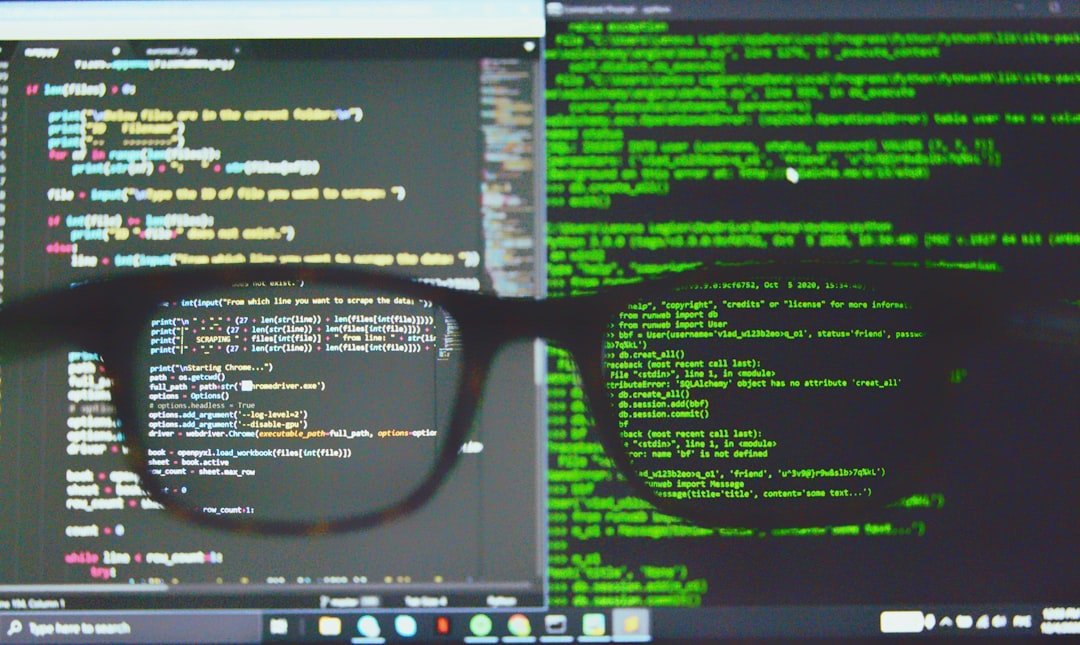
Python has emerged as one of the most popular programming languages in the world, and for good reason. Its simplicity and readability make it an ideal choice for beginners, while its versatility and power appeal to seasoned developers. One of the primary reasons to learn Python is its extensive use in various domains, including web development, data analysis, artificial intelligence, scientific computing, and automation.
This broad applicability means that mastering Python can open doors to numerous career opportunities across different industries. Moreover, Python boasts a rich ecosystem of libraries and frameworks that enhance its functionality. For instance, libraries like NumPy and Pandas are essential for data manipulation and analysis, while frameworks such as Django and Flask facilitate web development.
The language’s community is another significant asset; with millions of developers worldwide, there is a wealth of resources, forums, and documentation available to assist learners at every stage. This supportive environment fosters collaboration and innovation, making Python not just a language to learn but a community to join.
How to Choose the Best Python Course
Selecting the right Python course can be a daunting task given the plethora of options available online and offline. The first step in this process is to assess your current skill level and learning objectives. Are you an absolute beginner with no programming experience, or do you have some background in coding?
Understanding your starting point will help you filter courses that are appropriate for your level. For beginners, courses that emphasize foundational concepts and hands-on practice are essential, while those with prior experience may benefit from more advanced topics or specialized applications. Another critical factor to consider is the course format.
Some learners thrive in structured environments with live instruction, while others prefer self-paced online courses that allow for flexibility. Additionally, look for courses that offer practical projects or real-world applications, as these can significantly enhance your understanding and retention of the material. Reading reviews and testimonials from previous students can also provide valuable insights into the course’s effectiveness and the instructor’s teaching style.
Ultimately, the best course for you will align with your learning preferences, goals, and existing knowledge.
Top Python Courses for Absolute Beginners
For those just starting their programming journey, several courses stand out as particularly effective in teaching Python from the ground up. One highly recommended option is “Python for Everybody” by Dr. Charles Severance, available on platforms like Coursera.
This course is designed specifically for beginners and covers the basics of programming using Python. It emphasizes practical applications and includes hands-on assignments that reinforce learning. Dr.
Severance’s engaging teaching style makes complex concepts accessible, making it an excellent choice for newcomers. Another popular course is “Automate the Boring Stuff with Python” by Al Sweigart. This course takes a unique approach by focusing on practical tasks that can be automated using Python, such as web scraping and file manipulation.
By working on real-world projects, learners can see immediate results from their coding efforts, which can be incredibly motivating. The course is available for free online, making it an accessible option for anyone looking to dip their toes into programming without financial commitment.
Best Python Courses for Those with Some Programming Experience
For individuals who already possess some programming knowledge but are new to Python, courses that delve into more advanced topics or specific applications can be particularly beneficial. One such course is “Intermediate Python” by Muhammad Yasoob Ullah Khalid on platforms like Udemy. This course builds on foundational programming concepts and introduces learners to more complex topics such as decorators, generators, and context managers.
It is designed to deepen understanding and improve coding skills through practical exercises and projects. Another excellent option is “Python Data Structures” offered by the University of Michigan on Coursera. This course focuses on data structures such as lists, dictionaries, and tuples, which are crucial for effective programming in Python.
By exploring these concepts in depth, learners can enhance their problem-solving abilities and prepare themselves for more advanced programming challenges. The course also includes quizzes and peer-graded assignments that encourage active participation and reinforce learning.
Python Courses for Those Interested in Data Science
| Course Name | Platform | Duration | Level | Rating (out of 5) | Key Features |
|---|---|---|---|---|---|
| Python for Everybody | Coursera | Approx. 8 weeks | Beginner | 4.8 | Comprehensive, hands-on projects, certificate available |
| Complete Python Bootcamp | Udemy | 22 hours | Beginner to Intermediate | 4.6 | Interactive coding exercises, quizzes, lifetime access |
| Introduction to Python Programming | edX | 6 weeks | Beginner | 4.5 | Self-paced, video lectures, real-world examples |
| Learn Python 3 | Codecademy | Approx. 25 hours | Beginner | 4.4 | Interactive platform, projects, quizzes |
| Automate the Boring Stuff with Python | Udemy | 9.5 hours | Beginner | 4.7 | Practical automation projects, easy to follow |
Data science has become one of the most sought-after fields in recent years, and Python is at the forefront of this revolution due to its powerful libraries and tools for data analysis. For those interested in pursuing a career in data science, “Applied Data Science with Python” by the University of Michigan on Coursera is an excellent choice. This specialization consists of multiple courses that cover essential topics such as data visualization, machine learning, and text analysis using Python’s popular libraries like Pandas and Matplotlib.
Another noteworthy course is “Python for Data Science and Machine Learning Bootcamp” on Udemy. This comprehensive bootcamp covers not only the basics of Python but also dives into data analysis techniques and machine learning algorithms. With a focus on practical applications, learners engage in hands-on projects that simulate real-world data science scenarios.
The course also provides insights into using Jupyter Notebooks, a popular tool among data scientists for documenting code and visualizing data.
Python Courses for Those Interested in Web Development
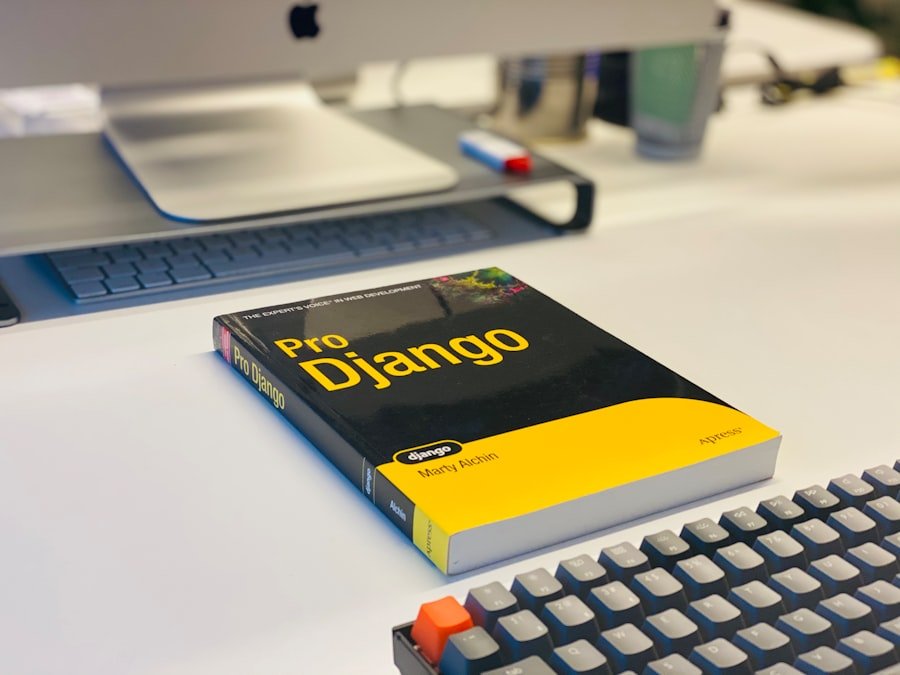
Web development is another area where Python shines, particularly with frameworks like Django and Flask that streamline the process of building robust web applications. For aspiring web developers, “Django for Everybody” by Dr. Charles Severance is an excellent starting point.
This course introduces learners to Django’s powerful features while guiding them through the creation of web applications from scratch. By the end of the course, students will have a solid understanding of how to build dynamic websites using Python. Alternatively, “Flask Mega-Tutorial” by Miguel Grinberg offers a deep dive into Flask, a lightweight web framework that is perfect for building small to medium-sized applications.
This tutorial takes learners through the entire process of developing a web application, from setting up the environment to deploying it on a server. The hands-on approach ensures that students not only learn theoretical concepts but also gain practical experience in web development using Python.
Python Courses for Those Interested in Machine Learning
Machine learning is a rapidly growing field that leverages Python’s capabilities to analyze data and make predictions based on patterns. For those looking to specialize in this area, “Machine Learning with Python” by IBM on Coursera is a highly regarded option. This course covers fundamental machine learning concepts while providing practical experience with popular libraries such as Scikit-learn and TensorFlow.
Learners engage in hands-on projects that allow them to apply machine learning algorithms to real datasets. Another excellent resource is “Deep Learning Specialization” by Andrew Ng on Coursera. While this specialization focuses primarily on deep learning techniques, it utilizes Python extensively throughout its curriculum.
Students will learn about neural networks, convolutional networks, and sequence models while gaining proficiency in using TensorFlow for building deep learning models. This specialization is ideal for those who want to delve deeper into machine learning and explore cutting-edge techniques in artificial intelligence.
Finding the Right Python Course for You
Choosing the right Python course ultimately depends on your individual goals, prior experience, and preferred learning style. With a wide array of options available—from beginner-friendly courses to specialized programs in data science or machine learning—there is something for everyone looking to enhance their programming skills with Python. By carefully considering your objectives and exploring various courses, you can find a path that aligns with your aspirations and sets you on a successful journey in the world of programming.
Whether you aim to automate mundane tasks or develop sophisticated machine learning models, mastering Python can be a transformative step in your career or personal development journey.
FAQs
What are the best online platforms to learn Python as a beginner?
Some of the best online platforms for beginners to learn Python include Coursera, Udemy, edX, Codecademy, and Khan Academy. These platforms offer structured courses with video lectures, exercises, and projects.
Do I need any prior programming experience to start learning Python?
No prior programming experience is required to start learning Python. Many beginner courses are designed specifically for individuals with no coding background.
How long does it typically take to learn Python as a beginner?
The time to learn Python varies depending on the learner’s pace and the course structure. On average, beginners can gain a solid foundation in Python within 6 to 12 weeks with consistent study.
Are free Python courses effective for beginners?
Yes, many free Python courses are effective for beginners. They often cover fundamental concepts and provide hands-on practice. However, paid courses may offer more comprehensive content and additional support.
What topics are usually covered in beginner Python courses?
Beginner Python courses typically cover topics such as variables, data types, control structures (if statements, loops), functions, basic data structures (lists, dictionaries), and simple file handling.
Can I learn Python for data science or web development through beginner courses?
Beginner courses usually focus on core Python programming skills. Specialized courses for data science or web development often require additional learning beyond the basics.
Is it necessary to practice coding regularly while taking an online Python course?
Yes, regular practice is essential to reinforce learning and develop programming skills. Writing code, solving problems, and working on projects help solidify understanding.
What tools or software do I need to start learning Python online?
Most courses recommend installing Python on your computer and using an Integrated Development Environment (IDE) like PyCharm, VS Code, or Jupyter Notebook. Some platforms also offer in-browser coding environments.
Can I get a certificate after completing an online Python course?
Many online platforms offer certificates upon course completion, especially for paid courses. Certificates can be useful for showcasing your skills to employers.
How do I choose the right Python course for my learning style?
Consider factors such as course content, teaching style, duration, level of interactivity, instructor reputation, and reviews. Some learners prefer video lectures, while others benefit from interactive coding exercises.
About the Author