The United States operates 63 national parks that protect diverse ecosystems, geological formations, and cultural sites across the country. These parks preserve natural landscapes and historical areas while providing public access for recreation, education, and research. The National Park Service, established by Congress in 1916, manages these protected areas along with national monuments, historic sites, and other designated lands totaling over 84 million acres.
National parks span varied geographic regions and climates, from arctic tundra in Alaska to desert landscapes in the Southwest. They protect habitats for numerous plant and animal species, including endangered and threatened wildlife. Annual visitation to all national parks exceeds 300 million people, who participate in activities such as hiking, camping, wildlife viewing, photography, and educational programs.
Each national park contains distinct natural features determined by local geology, climate patterns, and ecological processes. These areas serve multiple purposes: scientific research, species conservation, cultural preservation, and public recreation. The parks range in size from less than 6,000 acres to over 13 million acres and encompass mountains, forests, deserts, coastlines, rivers, lakes, and other natural environments representative of American landscapes.
Grand Canyon National Park: A Must-Visit for Hiking and Rafting
Grand Canyon National Park, located in Arizona, is one of the most recognizable natural wonders in the world. The park spans over 1.2 million acres and showcases a stunning array of geological formations that tell a story of millions of years of erosion by the Colorado River. The canyon itself stretches approximately 277 miles in length and reaches depths of over a mile, creating a dramatic landscape that attracts nearly six million visitors annually.
For those seeking adventure, the Grand Canyon offers some of the best hiking trails in the country, including the famous Bright Angel Trail and South Kaibab Trail. Hiking in the Grand Canyon is not just about traversing trails; it’s an immersive experience that allows visitors to witness the changing colors of the rock formations as the sun rises and sets. The Bright Angel Trail, for instance, descends from the South Rim to the Colorado River, providing hikers with breathtaking views at every turn.
The trail is well-maintained and offers rest stops along the way, making it accessible for both novice and experienced hikers. For those looking for a more challenging trek, the South Kaibab Trail offers a steeper descent with fewer amenities but rewards hikers with panoramic vistas that are simply unforgettable. In addition to hiking, rafting on the Colorado River is another exhilarating way to experience the Grand Canyon.
Guided rafting trips range from half-day excursions to multi-day adventures that navigate through some of the most remote sections of the canyon. These trips not only provide an adrenaline rush as participants tackle rapids but also offer a unique perspective of the canyon’s towering walls from below. Rafting through the Grand Canyon allows adventurers to explore hidden waterfalls, ancient rock art, and secluded beaches, making it a truly immersive experience in one of nature’s most awe-inspiring settings.
Yellowstone National Park: Exploring Geysers and Wildlife
Yellowstone National Park, established in 1872 as the first national park in the world, is renowned for its geothermal features and diverse wildlife. Spanning over 3,400 square miles across Wyoming, Montana, and Idaho, Yellowstone is home to more than half of the world’s active geysers, including the iconic Old Faithful. This geothermal wonderland is characterized by colorful hot springs, bubbling mud pots, and steaming fumaroles that create an otherworldly landscape.
Visitors flock to Yellowstone not only for its geological marvels but also for its rich biodiversity. Wildlife enthusiasts will find Yellowstone to be a paradise teeming with various species. The park is home to bison, elk, grizzly bears, wolves, and countless bird species.
The Lamar Valley is often referred to as “America’s Serengeti” due to its abundant wildlife viewing opportunities. Early morning or late evening drives through this valley can yield sightings of bison herds grazing or wolves hunting in their natural habitat. The park’s commitment to conservation has allowed these species to thrive, providing visitors with a chance to observe them in their natural environment.
Exploring Yellowstone’s geothermal features is an adventure in itself. The park boasts over 10,000 hydrothermal features, with each area offering something unique. The Upper Geyser Basin is home to Old Faithful, which erupts approximately every 90 minutes, shooting water up to 185 feet into the air.
Nearby, visitors can explore other geysers like Castle and Grand Geyser, as well as vibrant hot springs such as Morning Glory Pool. The contrasting colors of these hot springs are due to thermophilic bacteria that thrive in extreme temperatures, creating a stunning visual display that captivates photographers and nature lovers alike.
Yosemite National Park: Rock Climbing and Waterfall Chasing
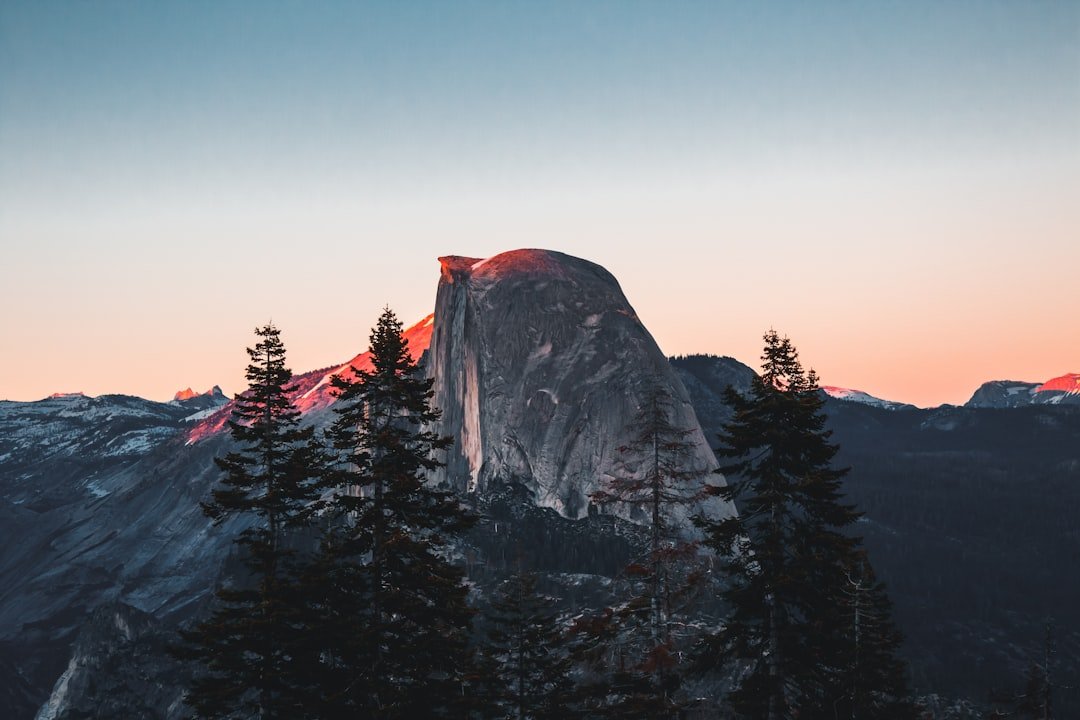
Yosemite National Park in California is a mecca for rock climbers and outdoor enthusiasts alike. Renowned for its towering granite cliffs and stunning waterfalls, Yosemite attracts climbers from around the globe who seek to conquer its iconic formations such as El Capitan and Half Dome. The park’s unique geology provides a variety of climbing routes suitable for all skill levels, from beginners to seasoned professionals.
The sheer vertical faces of El Capitan present a formidable challenge that has become legendary in the climbing community. In addition to rock climbing, Yosemite is famous for its spectacular waterfalls. Yosemite Falls is one of the tallest waterfalls in North America, plunging a total of 2,425 feet from its upper falls to its base.
During spring melt-off, when snow begins to thaw in the Sierra Nevada mountains, the falls roar with incredible force, creating a mesmerizing sight that draws visitors from near and far. Hiking trails such as the Mist Trail lead adventurers up close to these cascading waters, offering breathtaking views and opportunities for photography. The park’s diverse ecosystems also provide ample opportunities for exploration beyond climbing and waterfall chasing.
From lush meadows filled with wildflowers to ancient giant sequoias in Mariposa Grove, Yosemite showcases a variety of landscapes that change with the seasons. Wildlife such as black bears, mule deer, and various bird species can be spotted throughout the park. Whether one is scaling granite walls or simply enjoying a leisurely hike through meadows dotted with wildflowers, Yosemite National Park offers an unparalleled experience that celebrates both adventure and natural beauty.
Zion National Park: Canyoneering and Scenic Views
| National Park | Location | Popular Adventure Activities | Best Time to Visit | Average Annual Visitors (Millions) |
|---|---|---|---|---|
| Yosemite National Park | California | Rock Climbing, Hiking, Backpacking, Waterfalls Viewing | May to September | 4.5 |
| Grand Canyon National Park | Arizona | Hiking, Rafting, Helicopter Tours, Camping | March to May, September to November | 6.3 |
| Glacier National Park | Montana | Hiking, Wildlife Viewing, Kayaking, Mountaineering | July to September | 3.0 |
| Rocky Mountain National Park | Colorado | Hiking, Climbing, Wildlife Watching, Snowshoeing | June to September | 4.4 |
| Zion National Park | Utah | Canyoneering, Hiking, Rock Climbing, Backpacking | Spring and Fall | 4.5 |
| Denali National Park | Alaska | Mountaineering, Wildlife Viewing, Hiking, Flightseeing | June to August | 0.6 |
| Olympic National Park | Washington | Hiking, Kayaking, Wildlife Viewing, Backpacking | July to September | 3.2 |
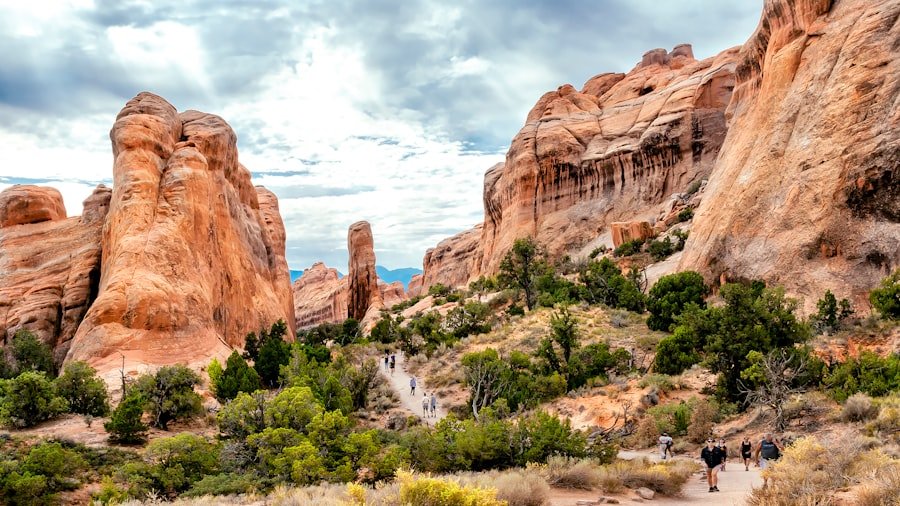
Zion National Park in Utah is renowned for its stunning red rock formations and dramatic canyons that create a breathtaking backdrop for outdoor adventures. The park covers over 146,000 acres and features a diverse range of landscapes including towering cliffs, slot canyons, and lush riparian zones along the Virgin River. One of Zion’s most popular activities is canyoneering—a thrilling combination of hiking, climbing, and rappelling through narrow canyons that require both skill and courage.
The Narrows is one of Zion’s most famous hikes that takes visitors through a slot canyon carved by the Virgin River. Hikers wade through water while surrounded by towering walls that rise hundreds of feet above them. This unique experience allows adventurers to connect with nature in an intimate way as they navigate through water and rock formations shaped by millennia of erosion.
For those seeking an even more challenging experience, canyoneering routes like Orderville Canyon offer technical challenges that require rappelling skills and careful navigation through narrow passages. Zion’s scenic vistas are equally captivating. The park’s iconic viewpoints such as Angels Landing provide breathtaking panoramas that showcase the grandeur of its landscapes.
The hike to Angels Landing is not for the faint-hearted; it involves steep ascents and narrow ridges with sheer drop-offs on either side. However, those who make it to the top are rewarded with sweeping views of Zion Canyon that are nothing short of spectacular. The interplay of light on red rock formations during sunrise or sunset creates an ethereal atmosphere that leaves visitors in awe.
Denali National Park: Backcountry Backpacking and Mountaineering
Denali National Park in Alaska is home to North America’s highest peak—Mount Denali—standing at 20,310 feet above sea level. This vast wilderness area encompasses over six million acres of pristine landscapes characterized by rugged mountains, expansive tundra, and diverse wildlife. Denali offers unparalleled opportunities for backcountry backpacking and mountaineering adventures that attract outdoor enthusiasts seeking solitude and challenge.
Backcountry backpacking in Denali allows adventurers to immerse themselves in nature while exploring remote areas away from established trails. With no designated paths or campsites in much of the park, backpackers must navigate using maps and compasses while being mindful of wildlife encounters—grizzly bears are common in this region. The experience fosters a deep connection with nature as hikers traverse varied terrains ranging from alpine meadows to glacial valleys.
For those looking to summit Mount Denali itself, mountaineering presents an exhilarating challenge that requires careful planning and preparation. Climbers must contend with extreme weather conditions and technical routes while acclimatizing to high altitudes. The ascent typically takes two to four weeks depending on conditions and climber experience levels.
Successful summits are celebrated not only for their physical demands but also for the breathtaking views from one of the highest points on Earth—a reward that few experiences can match.
Olympic National Park: Surfing and Rainforest Exploration
Olympic National Park in Washington State is a unique blend of ecosystems ranging from rugged coastline to lush temperate rainforests and alpine mountains. This diverse environment makes it an ideal destination for outdoor activities such as surfing along its Pacific coastline or exploring its enchanting rainforests filled with towering trees and vibrant mosses. The park’s varied landscapes provide endless opportunities for adventure seekers looking to connect with nature.
The coastal region of Olympic National Park features some excellent surfing spots like La Push and Rialto Beach where surfers can ride waves against a backdrop of stunning sea stacks and rugged cliffs. The Pacific Ocean’s swells create ideal conditions for both novice and experienced surfers alike. Surfing here offers not just an adrenaline rush but also a chance to appreciate the raw beauty of Washington’s coastline—where sunsets paint the sky with hues of orange and pink over crashing waves.
In contrast to its coastal allure lies Olympic’s temperate rainforest—one of only a few such ecosystems in North America. Hoh Rain Forest is particularly famous for its lush greenery and biodiversity; visitors can wander along trails surrounded by ancient trees draped in moss while listening to birdsong echoing through the canopy above. This enchanting environment provides opportunities for wildlife viewing as well; elk often roam freely within this verdant landscape while various bird species flit among branches overhead.
Acadia National Park: Sea Kayaking and Coastal Trails
Acadia National Park in Maine is celebrated for its stunning coastal scenery characterized by rocky shorelines, granite peaks, and picturesque islands dotting Frenchman Bay. Spanning over 49,000 acres along Mount Desert Island, Acadia offers visitors a chance to explore both land and sea through activities like sea kayaking or hiking along scenic coastal trails that showcase breathtaking views. Sea kayaking around Acadia allows paddlers to experience its rugged coastline up close while observing marine life such as seals or seabirds along the way.
Guided tours are available for those new to kayaking or seeking local insights into this beautiful area’s ecology and history. Paddling through calm waters surrounded by towering cliffs creates an intimate connection with nature that few experiences can replicate. Acadia’s network of coastal trails provides ample opportunities for hiking enthusiasts as well; paths like Jordan Pond Path offer stunning views of glacially-formed ponds framed by mountains while others lead up Cadillac Mountain—the highest point on the East Coast—where visitors can witness spectacular sunrises or sunsets over Bar Harbor below.
With its combination of land-based exploration alongside aquatic adventures like kayaking or sailing around islands scattered throughout Frenchman Bay—Acadia National Park truly embodies Maine’s natural beauty at every turn.
FAQs
What are some must-visit national parks in the USA for adventure seekers?
Some of the top national parks for adventure seekers in the USA include Yosemite National Park, Grand Canyon National Park, Zion National Park, Yellowstone National Park, and Glacier National Park. These parks offer a variety of activities such as hiking, rock climbing, rafting, and wildlife viewing.
What types of adventure activities can I do in these national parks?
Adventure activities vary by park but commonly include hiking, backpacking, rock climbing, mountain biking, white-water rafting, kayaking, camping, and wildlife photography.
When is the best time to visit national parks for adventure activities?
The best time to visit depends on the park and the activity. Generally, late spring through early fall (May to September) offers favorable weather for most outdoor adventures. Some parks may have winter activities like snowshoeing or skiing.
Do I need permits for adventure activities in national parks?
Yes, many parks require permits for certain activities such as backcountry camping, climbing, or rafting. It is important to check the specific park’s regulations and obtain necessary permits in advance.
Are national parks in the USA suitable for beginners in adventure sports?
Many national parks offer trails and activities suitable for beginners, but some areas are more challenging and require experience. It is advisable to research the difficulty level of activities and trails before planning your visit.
How can I prepare for an adventure trip to a national park?
Preparation includes researching the park’s terrain and weather, packing appropriate gear, obtaining necessary permits, and understanding safety guidelines. Physical fitness and knowledge of basic outdoor skills are also important.
Are there guided adventure tours available in national parks?
Yes, many national parks offer guided tours and ranger-led programs for various adventure activities. These can enhance safety and provide educational insights about the park’s natural features.
What safety precautions should I take when visiting national parks for adventure?
Safety precautions include staying on marked trails, carrying sufficient water and food, informing someone about your itinerary, being aware of wildlife, and carrying a first aid kit. Always check weather conditions and park alerts before your trip.
Can I camp overnight in these national parks?
Most national parks have designated campgrounds and backcountry camping areas. Reservations or permits may be required, so it is important to check the specific park’s camping regulations.
Are national parks accessible year-round for adventure activities?
Accessibility varies by park and season. Some parks close certain roads or trails during winter due to snow, while others offer winter sports. Always check current park conditions before planning your visit.
About the Author