Plumbing maintenance represents an essential responsibility for property owners that frequently receives insufficient attention until major problems develop. Systematic maintenance practices ensure optimal performance of plumbing infrastructure while extending the operational lifespan of pipes, fixtures, and connected appliances. Inadequate plumbing care results in expensive repair costs, property water damage, and potential health risks from mold and mildew development.
Consistent plumbing maintenance reduces long-term expenses and preserves safe, functional living conditions. Plumbing infrastructure consists of complex interconnected systems requiring comprehensive oversight. Every component from primary water supply lines to individual fixtures contributes to overall system performance.
Scheduled maintenance enables early detection of developing issues before they progress to major failures. Minor pipe leaks, when undetected, cause substantial water waste and structural damage to buildings. Understanding plumbing maintenance requirements allows property owners to implement preventive measures that protect their investment and maintain reliable plumbing system operation.
Identifying Common Sources of Leaks
Leaks can occur in various parts of a plumbing system, and identifying their sources is crucial for effective maintenance. One of the most common culprits is aging pipes, which can develop cracks or corrosion over time. For instance, galvanized steel pipes, prevalent in homes built before the 1960s, are particularly susceptible to rust and deterioration.
Homeowners should be vigilant in inspecting these pipes for signs of wear, such as discoloration or flaking paint, which may indicate underlying issues. Another frequent source of leaks is faulty fixtures, such as faucets and toilets. A dripping faucet may seem like a minor annoyance, but it can waste gallons of water over time.
Toilets can also be problematic; a worn flapper valve can cause continuous running water, leading to increased water bills and unnecessary strain on the plumbing system. Homeowners should regularly check these fixtures for signs of leaks and address any issues promptly to prevent further complications.
Regular Inspection and Maintenance Tips
Conducting regular inspections is essential for maintaining a healthy plumbing system. Homeowners should make it a habit to check for leaks in visible areas, such as under sinks and around appliances like dishwashers and washing machines. Additionally, inspecting exposed pipes in basements or crawl spaces can help identify potential problems before they escalate.
A simple visual inspection can reveal signs of moisture, corrosion, or mold growth, all of which indicate that further investigation is needed. In addition to visual inspections, homeowners should also consider implementing a routine maintenance schedule. This could include tasks such as flushing the water heater annually to remove sediment buildup, checking the pressure relief valve for proper operation, and cleaning aerators in faucets to ensure optimal water flow.
By establishing a regular maintenance routine, homeowners can catch minor issues early on and avoid more significant problems down the line.
Addressing Leaks and Drips
When leaks are identified, addressing them promptly is crucial to prevent further damage. For minor leaks, such as those found in faucets or showerheads, homeowners can often perform simple repairs themselves. Replacing worn washers or O-rings can effectively stop drips and restore functionality.
For example, if a kitchen faucet is dripping, turning off the water supply, disassembling the faucet, and replacing the rubber washer can often resolve the issue without the need for professional assistance. However, more significant leaks may require professional intervention. If a homeowner discovers water pooling around the base of a toilet or under a sink, it may indicate a more serious problem that necessitates expert evaluation.
In such cases, it is advisable to contact a licensed plumber who can accurately diagnose the issue and recommend appropriate solutions. Ignoring significant leaks can lead to extensive water damage and costly repairs, making timely action essential.
Maintaining Proper Water Pressure
| Maintenance Task | Frequency | Tools/Materials Needed | Purpose/Benefit | Tips |
|---|---|---|---|---|
| Inspect pipes for leaks | Monthly | Flashlight, wrench | Early detection of leaks prevents water damage | Check under sinks and around appliances |
| Clean faucet aerators | Every 3 months | Wrench, vinegar, brush | Improves water flow and prevents clogging | Soak aerators in vinegar to dissolve mineral buildup |
| Check water pressure | Every 6 months | Pressure gauge | Prevents pipe damage from high pressure | Ideal pressure is between 40-60 psi |
| Seal pipe joints | Annually | Pipe sealant, plumber’s tape | Prevents leaks at connection points | Use plumber’s tape on threaded joints |
| Flush water heater | Annually | Bucket, hose | Removes sediment buildup to extend heater life | Turn off power/gas before flushing |
| Insulate exposed pipes | Before winter | Pipe insulation sleeves | Prevents freezing and bursting in cold weather | Focus on pipes in unheated areas |
| Test shut-off valves | Every 6 months | None | Ensures valves work in emergencies | Turn valves fully on and off to check operation |
Water pressure is an essential aspect of any plumbing system, affecting everything from shower performance to appliance efficiency. Maintaining proper water pressure not only enhances daily activities but also protects plumbing fixtures from damage caused by excessive pressure. Homeowners should be aware of their water pressure levels; ideally, residential water pressure should range between 40 to 60 psi (pounds per square inch).
If pressure exceeds this range, it may lead to leaks or burst pipes. To maintain optimal water pressure, homeowners can install a pressure-reducing valve (PRV) if their municipal supply delivers excessively high pressure. Regularly checking for clogs in pipes or fixtures can also help maintain proper flow rates.
For instance, mineral buildup in showerheads or faucet aerators can restrict water flow and create pressure inconsistencies. Cleaning these components regularly ensures that water flows freely and maintains consistent pressure throughout the home.
Protecting Pipes from Freezing
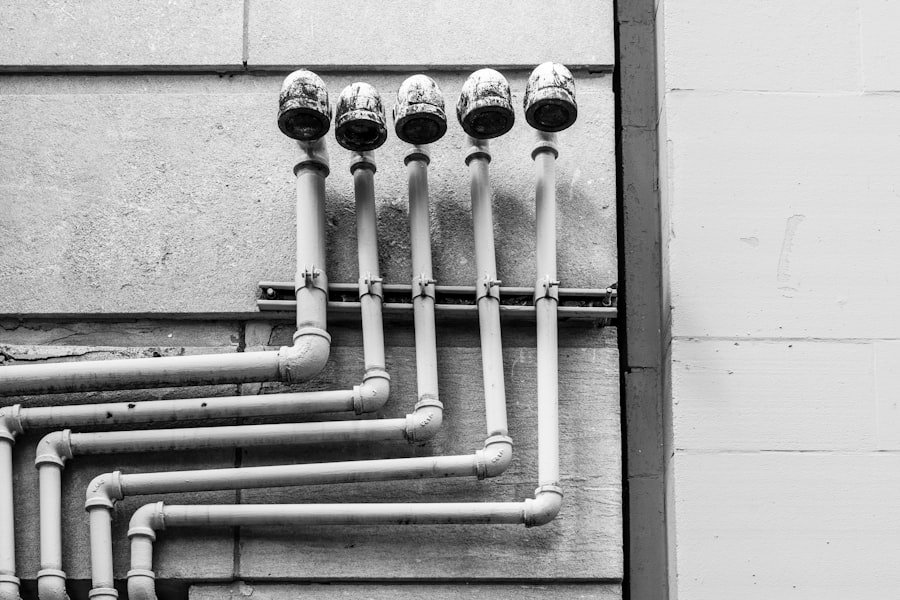
In colder climates, protecting pipes from freezing is a vital aspect of plumbing maintenance. When temperatures drop below freezing, water inside pipes can expand and cause them to burst, leading to significant damage and costly repairs. Homeowners should take proactive measures to insulate exposed pipes in unheated areas such as basements, attics, or crawl spaces.
Foam pipe insulation sleeves are an effective solution for protecting vulnerable pipes from freezing temperatures. Additionally, during extreme cold spells, homeowners should allow faucets to drip slightly to keep water flowing through the pipes. This simple action can prevent freezing by reducing pressure within the system and allowing water to move continuously.
It’s also advisable to keep garage doors closed if there are water supply lines running through that area and to open cabinet doors under sinks to allow warm air to circulate around plumbing fixtures.
Properly Maintaining Appliances and Fixtures
Appliances such as dishwashers, washing machines, and water heaters play integral roles in daily life but require regular maintenance to function efficiently. For instance, dishwashers should be cleaned periodically to remove food particles and mineral deposits that can clog spray arms and affect performance. Homeowners should also inspect hoses for signs of wear or leaks; replacing old hoses with reinforced ones can prevent unexpected failures.
Water heaters require attention as well; sediment buildup can reduce efficiency and lead to premature failure. Flushing the tank annually helps remove sediment and prolongs the life of the unit. Additionally, checking the temperature setting on the thermostat ensures that it is set at an optimal level—typically around 120 degrees Fahrenheit—to prevent scalding while maximizing energy efficiency.
Hiring a Professional for Plumbing Maintenance
While many plumbing maintenance tasks can be performed by homeowners themselves, there are instances when hiring a professional is necessary. Complex issues such as sewer line blockages or extensive pipe repairs require specialized knowledge and tools that most homeowners do not possess. A licensed plumber has the expertise to diagnose problems accurately and implement effective solutions while adhering to local building codes.
Moreover, professional plumbers often provide routine maintenance services that include comprehensive inspections of the entire plumbing system. This proactive approach not only identifies potential issues but also offers peace of mind knowing that a qualified expert is overseeing the health of your plumbing infrastructure. Investing in professional plumbing maintenance can ultimately save homeowners time and money by preventing minor issues from escalating into major repairs.
FAQs
How often should I inspect my plumbing for leaks?
It is recommended to inspect your plumbing at least twice a year to identify any potential leaks or issues early.
What are common signs of plumbing leaks?
Common signs include damp spots on walls or ceilings, a sudden increase in water bills, the sound of running water when no taps are open, and mold or mildew growth.
How can I prevent plumbing leaks in my home?
Regular maintenance such as checking and tightening fittings, replacing worn-out washers, insulating pipes, and avoiding chemical drain cleaners can help prevent leaks.
What should I do if I find a leak in my plumbing?
Turn off the main water supply immediately to prevent water damage, then either repair the leak yourself if it’s minor or contact a professional plumber for more serious issues.
Can I maintain plumbing systems myself, or should I hire a professional?
Basic maintenance like checking for leaks, cleaning drains, and insulating pipes can be done by homeowners. However, complex repairs and inspections should be handled by licensed plumbers.
How does water pressure affect plumbing leaks?
High water pressure can strain pipes and joints, increasing the risk of leaks. Installing a pressure regulator can help maintain safe water pressure levels.
What role does pipe insulation play in preventing leaks?
Insulating pipes helps prevent them from freezing and bursting in cold weather, which is a common cause of leaks.
Are there any preventive products that can help maintain plumbing?
Yes, products like pipe sealants, leak detectors, and water pressure regulators can assist in maintaining plumbing and preventing leaks.
How can I prevent leaks in older plumbing systems?
Regular inspections, replacing old or corroded pipes, and updating fixtures can help prevent leaks in aging plumbing systems.
Why is it important to address plumbing leaks promptly?
Promptly fixing leaks prevents water damage, mold growth, higher water bills, and potential structural issues in your home.
About the Author