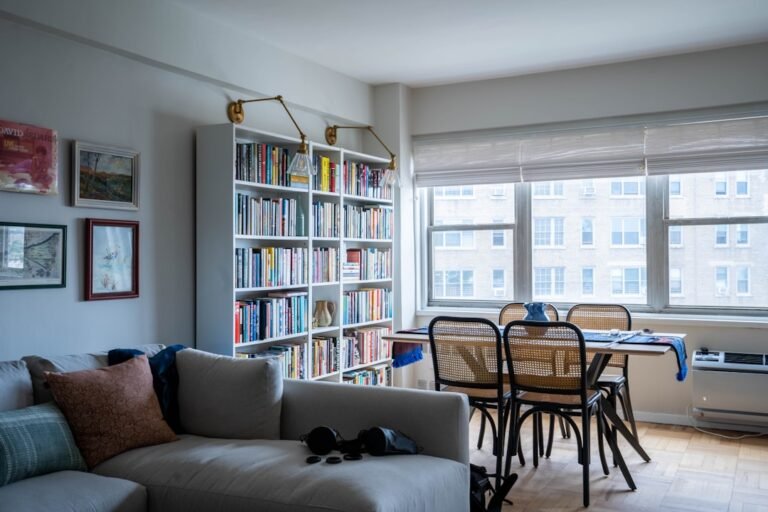
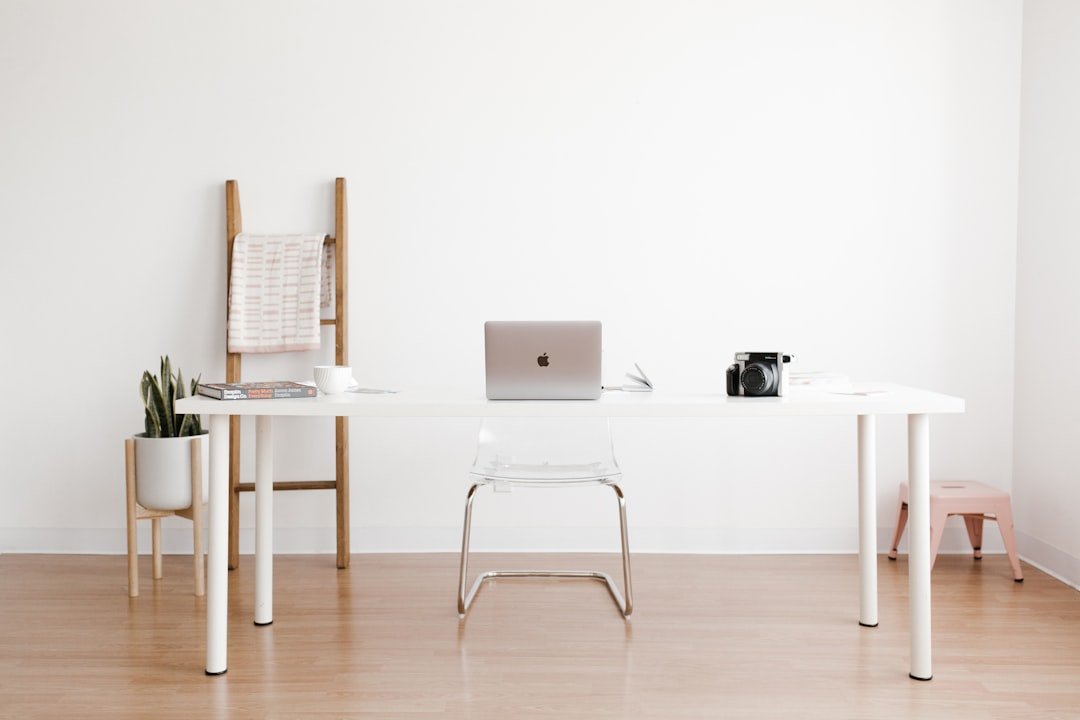
Minimalism and maximalism represent two distinct lifestyle philosophies with different approaches to living. Minimalism focuses on simplicity and intentionality, encouraging people to eliminate excess and concentrate on essential elements in their lives. This philosophy extends beyond physical possessions to include mental clarity and emotional health.
In contrast, maximalism celebrates abundance and diversity, embracing multiple colors, textures, and experiences. It suggests that variety enhances life and allows for greater personal expression and creativity. These opposing approaches reflect fundamental differences in values regarding consumption, identity, and happiness.
Minimalists typically believe that reducing material possessions leads to greater fulfillment, emphasizing experiences over things. Maximalists contend that limiting oneself unnecessarily restricts life’s potential richness and variety. Both philosophies offer different frameworks for individuals to consider when making lifestyle choices, depending on whether they value simplicity or abundance more highly.
The Philosophy of Minimalism: Less is More
At its core, minimalism is rooted in the idea that less is more. This philosophy encourages individuals to evaluate their possessions and commitments critically, retaining only those that add genuine value to their lives. The minimalist movement gained significant traction in the early 21st century, fueled by a growing awareness of consumerism’s impact on mental health and the environment.
Advocates argue that by reducing physical clutter, individuals can achieve greater mental clarity and emotional peace. The minimalist lifestyle often involves a conscious effort to eliminate distractions, allowing for deeper connections with oneself and others. Minimalism is not solely about physical possessions; it also encompasses a mindset that prioritizes quality over quantity.
For instance, a minimalist might choose to invest in a few high-quality items—such as clothing or furniture—that are durable and timeless rather than filling their space with numerous cheap alternatives. This approach fosters a sense of appreciation for what one has, encouraging mindfulness in consumption habits. Furthermore, minimalism often extends to digital spaces, where individuals may choose to declutter their online lives by limiting social media use or organizing digital files.
This holistic approach to minimalism can lead to a more intentional and fulfilling life.
The Philosophy of Maximalism: More is More
In stark contrast to minimalism, maximalism champions the idea that more is indeed more. This philosophy celebrates abundance in all forms—be it in art, fashion, or personal expression. Maximalists embrace a vibrant aesthetic characterized by bold colors, intricate patterns, and an eclectic mix of styles.
The belief here is that life should be lived fully and joyously, with an emphasis on creativity and individuality. Maximalism encourages people to surround themselves with items that inspire them, tell their stories, or evoke cherished memories. Maximalism can be seen as a reaction against the sterility often associated with minimalist design.
It invites chaos into the curated spaces of our lives, allowing for personal expression without the constraints of uniformity. For example, a maximalist home might feature an array of artwork from various cultures, layered textiles in contrasting colors, and an assortment of decorative objects collected over time. This approach not only creates visually stimulating environments but also fosters a sense of warmth and personality.
Maximalists often find joy in the act of collecting—whether it’s vintage finds or contemporary art—viewing their possessions as extensions of their identity rather than mere objects.
Minimalist Living: Simplicity and Decluttering
Minimalist living revolves around the principles of simplicity and decluttering. The process often begins with a thorough evaluation of one’s belongings, leading to the decision to keep only those items that serve a purpose or bring joy. This practice is famously encapsulated in Marie Kondo’s philosophy of tidying up, which encourages individuals to ask themselves whether each item sparks joy before deciding to keep it.
The act of decluttering can be liberating; many find that shedding excess possessions leads to a lighter mental state and increased focus on what truly matters. Beyond physical decluttering, minimalist living promotes simplicity in daily routines and commitments. By prioritizing essential activities and relationships, individuals can create space for meaningful experiences.
This might mean saying no to social obligations that do not align with one’s values or simplifying meal preparation by focusing on whole foods rather than processed options. The minimalist lifestyle encourages individuals to cultivate mindfulness in their choices, leading to greater satisfaction and reduced stress levels. As one embraces simplicity, they often discover that fulfillment comes not from accumulation but from intentional living.
Maximalist Living: Abundance and Eclecticism
| Aspect | Minimalist Living | Maximalist Living |
|---|---|---|
| Philosophy | Less is more; focus on essentials | More is more; embrace abundance and variety |
| Home Decor | Simple, clean lines, neutral colors | Bold colors, patterns, and eclectic styles |
| Number of Possessions | Limited, only necessary items | Many, diverse and decorative items |
| Emotional Impact | Calm, uncluttered, stress-reducing | Energetic, stimulating, expressive |
| Maintenance | Easy to clean and organize | Requires frequent cleaning and organizing |
| Environmental Impact | Lower consumption, sustainable | Higher consumption, potentially wasteful |
| Cost | Generally lower due to fewer purchases | Potentially higher due to more acquisitions |
| Personal Expression | Subtle, understated | Bold, vibrant, and highly personalized |
Maximalist living thrives on the principles of abundance and eclecticism. It invites individuals to curate their environments with an array of items that reflect their personality and interests. In a maximalist home, every corner tells a story—whether through an assortment of books stacked haphazardly on a coffee table or an art wall filled with pieces collected from travels around the world.
This approach celebrates diversity in design and encourages creativity without boundaries. The beauty of maximalist living lies in its ability to evoke emotion through visual stimulation. Colorful textiles can be layered on furniture, while bold artwork can create focal points throughout a space.
Maximalists often embrace the idea that there are no strict rules when it comes to design; instead, they encourage experimentation and playfulness. For instance, mixing patterns—such as floral prints with geometric designs—can create a dynamic visual experience that feels both inviting and exciting. This philosophy extends beyond home decor; it influences fashion choices as well, where layering different styles can result in unique personal expressions.
When it comes to home decor and design, minimalism and maximalism present two distinct approaches that cater to different tastes and lifestyles. Minimalist decor typically features clean lines, neutral color palettes, and an emphasis on functionality. Spaces are often uncluttered, with carefully selected furniture pieces that serve both aesthetic and practical purposes.
The goal is to create an environment that feels serene and organized, allowing for relaxation and focus. In contrast, maximalist decor revels in complexity and richness. It embraces bold colors, intricate patterns, and an array of textures that create visual interest.
A maximalist home might feature an abundance of decorative elements—such as vibrant throw pillows, layered rugs, and an eclectic mix of artwork—that come together to form a cohesive yet dynamic space. This approach allows for personal expression through curated collections that reflect individual tastes and experiences. While minimalism seeks harmony through restraint, maximalism finds beauty in chaos and diversity.
The philosophies of minimalism and maximalism also extend into the realm of fashion, where they manifest in distinct wardrobe choices. A minimalist wardrobe typically consists of versatile pieces that can be mixed and matched effortlessly. The focus is on quality over quantity; individuals may invest in timeless staples such as tailored blazers, classic white shirts, and well-fitted jeans that transcend seasonal trends.
This approach not only simplifies daily outfit decisions but also promotes sustainability by encouraging mindful consumption. Conversely, maximalist fashion celebrates individuality through bold choices and eclectic combinations. Maximalists are likely to experiment with vibrant colors, unique patterns, and statement accessories that reflect their personality.
Layering different styles—such as pairing vintage finds with contemporary pieces—creates visually striking outfits that stand out in any crowd. This approach allows for self-expression without limitations; maximalists often view fashion as an art form where creativity knows no bounds.
Finding Balance: Incorporating Minimalist and Maximalist Elements into Your Lifestyle
While minimalism and maximalism may seem like opposing forces, many individuals find value in incorporating elements from both philosophies into their lives. Striking a balance between simplicity and abundance can lead to a more fulfilling lifestyle that honors personal preferences while promoting mindfulness. For instance, one might choose to maintain a minimalist home environment while embracing maximalist fashion choices—allowing for self-expression without overwhelming their living space.
Finding this balance requires introspection and intentionality. Individuals can start by identifying areas where they feel most comfortable—whether it’s decluttering their home or curating a vibrant wardrobe—and gradually integrating elements from the opposing philosophy. This might involve adding a few carefully chosen decorative items to a minimalist space or selecting bold accessories to enhance an otherwise simple outfit.
By blending these approaches thoughtfully, individuals can create a lifestyle that resonates with their unique identity while fostering both clarity and creativity. In conclusion, the exploration of minimalist and maximalist living reveals two distinct yet complementary philosophies that cater to diverse preferences and values. Whether one leans towards simplicity or abundance, understanding these approaches allows for greater self-awareness in navigating personal choices related to home decor, fashion, and overall lifestyle.
Embracing elements from both philosophies can lead to a richer experience of life—one that honors both clarity and creativity in equal measure.
FAQs
What is minimalist living?
Minimalist living is a lifestyle that emphasizes simplicity by reducing possessions and focusing on what is essential. It aims to eliminate clutter and distractions to create a more intentional and meaningful life.
What is maximalist living?
Maximalist living is a lifestyle that embraces abundance and variety, often characterized by bold colors, diverse patterns, and a large number of possessions. It encourages self-expression and creativity through the accumulation and display of items.
How do minimalist and maximalist living differ in terms of possessions?
Minimalist living involves owning fewer items, prioritizing quality over quantity, and keeping only what is necessary or brings joy. Maximalist living involves collecting and displaying many items, often valuing variety and personal expression over minimalism.
Which lifestyle is better for mental well-being?
The impact on mental well-being varies by individual. Minimalism can reduce stress by decluttering and simplifying life, while maximalism can enhance creativity and personal satisfaction through self-expression. The best approach depends on personal preferences and needs.
Are minimalist and maximalist living mutually exclusive?
Not necessarily. Some people blend elements of both lifestyles, adopting minimalist principles in certain areas while embracing maximalism in others, depending on their tastes and lifestyle goals.
How do these lifestyles affect home decor?
Minimalist decor typically features clean lines, neutral colors, and minimal furnishings. Maximalist decor is characterized by vibrant colors, eclectic patterns, and a mix of textures and objects that create a visually rich environment.
Can adopting minimalist or maximalist living impact finances?
Yes. Minimalist living often leads to reduced spending and saving money by purchasing fewer items. Maximalist living may involve higher spending due to acquiring more possessions, but it can also support local artisans and businesses depending on purchasing choices.
Is one lifestyle more environmentally friendly than the other?
Minimalist living is generally considered more environmentally friendly because it encourages consuming less and reducing waste. Maximalist living can be sustainable if it involves mindful purchasing and valuing quality and longevity, but excessive consumption may have a larger environmental footprint.
About the Author