Budgeting applications have transformed personal financial management by providing digital tools that automate and streamline the process of tracking income and expenses. These software solutions offer features ranging from basic transaction categorization to advanced financial planning capabilities, making financial management accessible to users with varying levels of expertise and different financial goals. The widespread adoption of budgeting apps reflects increased consumer demand for financial literacy tools and simplified money management solutions.
These applications typically provide real-time expense tracking, spending pattern analysis, and budget creation features that previously required manual calculation or professional financial services. Users can connect bank accounts, credit cards, and other financial institutions to automatically import and categorize transactions. Modern budgeting apps incorporate data visualization tools, spending alerts, and goal-setting features designed to help users identify spending patterns and develop savings strategies.
Many applications also offer educational resources, bill reminders, and debt tracking capabilities to support comprehensive financial planning and improved financial decision-making.
How Budgeting Apps Can Help You Track Expenses
One of the primary functions of budgeting apps is expense tracking, which is crucial for anyone looking to gain insight into their spending patterns. By categorizing expenses—such as groceries, entertainment, and utilities—users can easily identify where their money is going each month. This level of detail allows individuals to make informed decisions about their spending habits, highlighting areas where they may be overspending or where they can cut back.
For instance, a user might discover that they are spending significantly more on dining out than they had realized, prompting them to adjust their budget accordingly. Many budgeting apps offer features that allow users to link their bank accounts and credit cards directly to the app. This integration enables automatic tracking of transactions, eliminating the need for manual entry and reducing the likelihood of errors.
Users can receive notifications when they approach their budget limits in specific categories, fostering a proactive approach to managing finances. Additionally, some apps provide visual representations of spending trends over time, such as graphs and charts, which can further enhance understanding and encourage accountability.
Setting Financial Goals with Budgeting Apps

Budgeting apps are not just about tracking expenses; they also play a pivotal role in helping users set and achieve financial goals. Whether it’s saving for a vacation, paying off debt, or building an emergency fund, these apps provide the tools necessary to create actionable plans. Users can set specific targets within the app, such as saving a certain amount each month or reducing discretionary spending by a percentage.
This goal-oriented approach transforms abstract financial aspirations into tangible objectives. Moreover, many budgeting apps offer features that allow users to monitor their progress toward these goals in real time. For example, if a user aims to save $5,000 for a down payment on a house within a year, the app can break this down into monthly savings targets and track progress accordingly.
This not only keeps users motivated but also provides a sense of accomplishment as they see their savings grow over time. Additionally, some apps offer reminders and tips tailored to users’ goals, further enhancing their ability to stay on track.
Automating Bill Payments and Savings with Budgeting Apps
The convenience of automation is another significant advantage offered by budgeting apps. Many applications allow users to set up automatic bill payments, ensuring that essential expenses are paid on time without the need for manual intervention. This feature is particularly beneficial for recurring bills such as utilities, subscriptions, and loan payments.
By automating these payments, users can avoid late fees and maintain a positive credit score while freeing up mental space to focus on other financial priorities. In addition to bill payments, budgeting apps often provide options for automating savings contributions. Users can set up recurring transfers from their checking accounts to designated savings accounts based on their financial goals.
For instance, an individual might choose to automatically transfer $200 each month into a travel fund or an emergency savings account. This “pay yourself first” strategy helps users prioritize savings and ensures that they are consistently working toward their financial objectives without having to think about it actively.
Monitoring Investments and Retirement Accounts with Budgeting Apps
| Metric | Description | Impact on Personal Finance Management |
|---|---|---|
| Expense Tracking Accuracy | Percentage of expenses accurately recorded by the app | Improves awareness of spending habits, reducing overspending by up to 30% |
| Budget Adherence Rate | Percentage of users who stick to their set budgets | Helps users maintain financial discipline, increasing savings by 20% |
| Monthly Savings Increase | Average increase in savings after using budgeting apps | Encourages better saving habits, leading to a 15% rise in monthly savings |
| Debt Reduction Rate | Percentage of users who reduce debt after app usage | Supports debt management, with 25% of users lowering their debt levels |
| Financial Goal Achievement | Percentage of users meeting their financial goals | Enhances goal setting and tracking, resulting in 40% goal achievement |
| User Engagement Time | Average time spent on the app per week (minutes) | Higher engagement correlates with better financial outcomes |
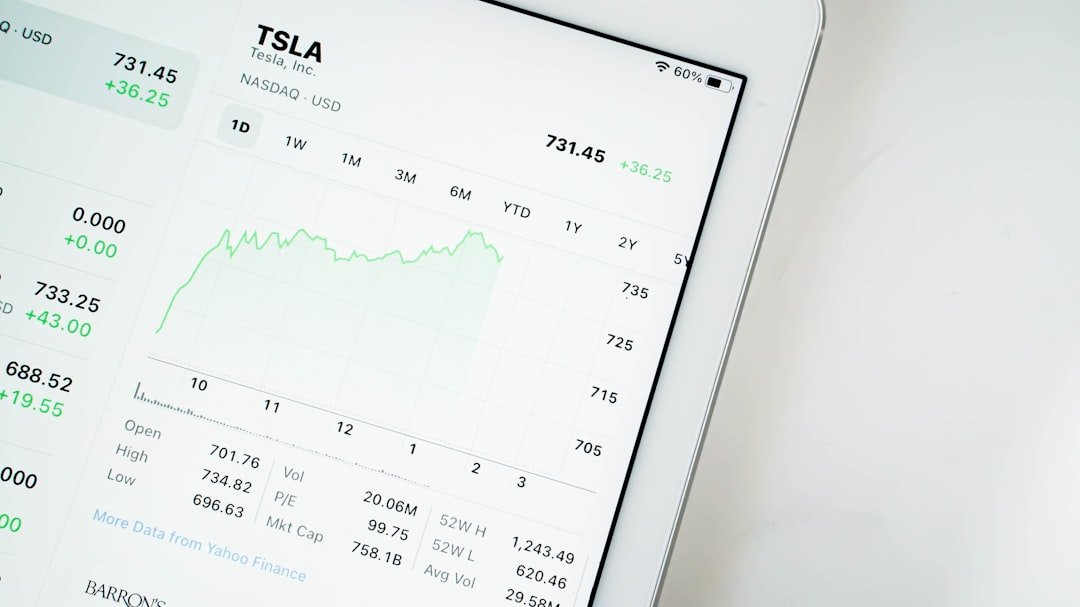
As personal finance management evolves, many budgeting apps have expanded their functionalities to include investment tracking and retirement account monitoring. This integration allows users to view their entire financial picture in one place, making it easier to assess overall wealth and make informed investment decisions. Users can link their investment accounts to the app, enabling real-time tracking of portfolio performance and asset allocation.
For those focused on retirement planning, budgeting apps can provide valuable insights into retirement accounts such as 401(k)s and IRAs. Users can monitor contributions, track growth over time, and even receive projections about future retirement savings based on current contributions and market performance. This holistic view encourages users to take an active role in their investment strategies and retirement planning, fostering a sense of ownership over their financial futures.
Utilizing Budgeting Apps for Tax Planning
Tax season can be a stressful time for many individuals, but budgeting apps can alleviate some of that pressure by assisting with tax planning throughout the year. By keeping track of income and expenses in real time, users can ensure that they are accurately reporting their financial situation come tax time. Many budgeting apps categorize expenses in ways that align with tax deductions, making it easier for users to identify potential write-offs related to business expenses or charitable contributions.
Additionally, some budgeting apps offer features specifically designed for tax planning, such as estimating tax liabilities based on current income levels or providing reminders for important tax deadlines. By utilizing these tools throughout the year, users can avoid last-minute scrambles during tax season and ensure that they are maximizing their deductions. This proactive approach not only simplifies the tax filing process but also helps individuals make informed decisions about their finances that could lead to significant savings.
Tips for Choosing the Right Budgeting App for Your Needs
With so many budgeting apps available on the market, selecting the right one can be overwhelming. To make an informed choice, it’s essential to consider your specific financial needs and preferences. Start by identifying what features are most important to you—whether it’s expense tracking, goal setting, investment monitoring, or tax planning capabilities.
Some apps may excel in one area while lacking in others; therefore, understanding your priorities will help narrow down your options. Another critical factor is user experience; an intuitive interface can significantly enhance your engagement with the app. Look for reviews or trial versions that allow you to explore the app’s functionality before committing financially.
Additionally, consider whether you prefer a free app with basic features or a premium version that offers advanced tools and support. Security is also paramount; ensure that the app employs robust encryption methods to protect your sensitive financial information.
Taking Control of Your Finances with Budgeting Apps
In today’s fast-paced world, budgeting apps have emerged as indispensable tools for managing personal finances effectively. They not only simplify the process of tracking expenses but also empower users to set financial goals, automate payments and savings, monitor investments, and plan for taxes—all from the convenience of their smartphones or tablets. By leveraging these powerful applications, individuals can take control of their financial futures with confidence.
As technology continues to evolve, so too will the capabilities of budgeting apps. The integration of artificial intelligence and machine learning may lead to even more personalized financial advice and insights tailored to individual spending habits and goals. Ultimately, embracing budgeting apps is not just about managing money; it’s about fostering a mindset of financial responsibility and empowerment that can lead to long-term stability and success.
FAQs
What are budgeting apps?
Budgeting apps are software applications designed to help individuals track and manage their personal finances by monitoring income, expenses, and savings goals.
How do budgeting apps help manage personal finances?
Budgeting apps assist users by categorizing expenses, setting spending limits, providing visual reports, and sending alerts to keep spending within budget, thereby promoting better financial habits.
Are budgeting apps secure to use?
Most reputable budgeting apps use encryption and secure authentication methods to protect user data. However, it is important to choose apps from trusted developers and review their privacy policies.
Can budgeting apps connect to bank accounts?
Yes, many budgeting apps can link directly to bank accounts, credit cards, and other financial institutions to automatically import transactions for real-time tracking.
Do budgeting apps cost money?
There are both free and paid budgeting apps available. Free versions often offer basic features, while paid versions may provide advanced tools such as investment tracking and personalized financial advice.
Can budgeting apps help with debt management?
Yes, some budgeting apps include features to help users create debt repayment plans, track progress, and prioritize payments to reduce debt effectively.
Are budgeting apps suitable for all income levels?
Yes, budgeting apps can be tailored to fit various income levels and financial goals, making them useful for anyone looking to improve their money management skills.
Do budgeting apps require manual data entry?
Many budgeting apps automatically import financial data from linked accounts, but some may require manual entry for cash transactions or accounts that cannot be linked electronically.
Can budgeting apps help with saving money?
Yes, budgeting apps often include tools to set savings goals, track progress, and suggest ways to reduce expenses to increase savings.
How accurate are budgeting apps?
The accuracy of budgeting apps depends on the quality of data input and the app’s ability to categorize transactions correctly. Regular review and adjustments by the user can improve accuracy.