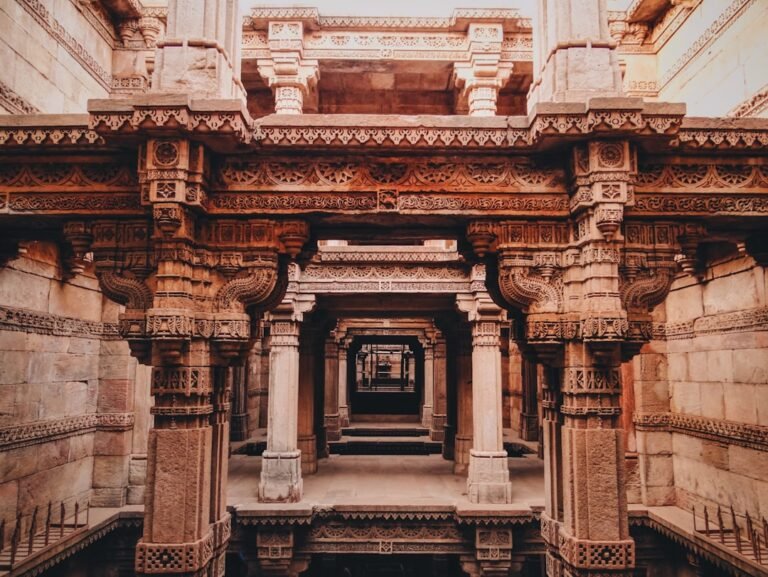
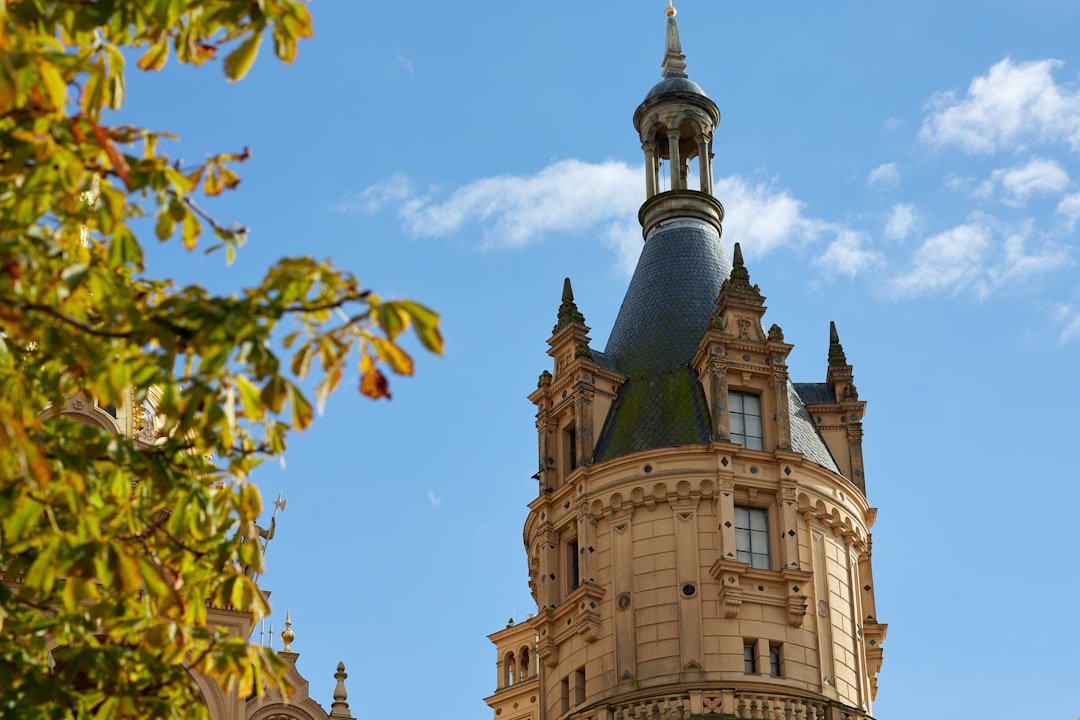
Germany contains over 25,000 castles distributed across its territory, representing various architectural styles from medieval fortifications to ornate palatial structures. These buildings span multiple historical periods and reflect the political, social, and cultural developments of their respective eras. The castles are located throughout different regions, from Bavaria’s mountainous areas to the Rhine River valley.
German castles served multiple functions throughout history, including military fortifications, royal and noble residences, and administrative centers. Many of these structures played roles in significant historical events and became subjects of regional folklore and legends. The architectural diversity ranges from robust defensive stone constructions to more decorative palace designs, demonstrating the evolution of building techniques and aesthetic preferences over centuries.
These historical sites currently function as cultural landmarks, providing insight into Germany’s medieval and early modern periods. The castles illustrate the feudal system’s influence on German society, the development of architectural styles, and the strategic importance of fortified positions in European conflicts. Their preservation allows for the study of construction methods, artistic traditions, and the lifestyle of various social classes throughout German history.
The Role of Castles in German History
Castles in Germany played a pivotal role in shaping the political landscape of the region throughout the Middle Ages and beyond. Initially constructed as fortifications to protect against invasions and raids, these structures evolved into symbols of power and authority for local lords and nobility. The feudal system that dominated medieval society was intricately linked to these strongholds, as they served as administrative centers where lords exercised control over their territories.
The strategic placement of many castles on hilltops or along trade routes underscores their importance in both defense and commerce. As time progressed, the function of castles began to shift. By the Renaissance period, many castles transformed from military fortifications into opulent residences that reflected the wealth and status of their owners.
This transition marked a significant change in the role of castles within society; they became centers of culture and art, hosting lavish banquets and courtly gatherings. The architectural styles evolved as well, incorporating elements of the Renaissance and Baroque periods, which further enhanced their aesthetic appeal. This duality—serving both as fortresses and as symbols of aristocratic life—highlights the complex relationship between power, culture, and architecture in German history.
Notable Castles to Visit in Germany
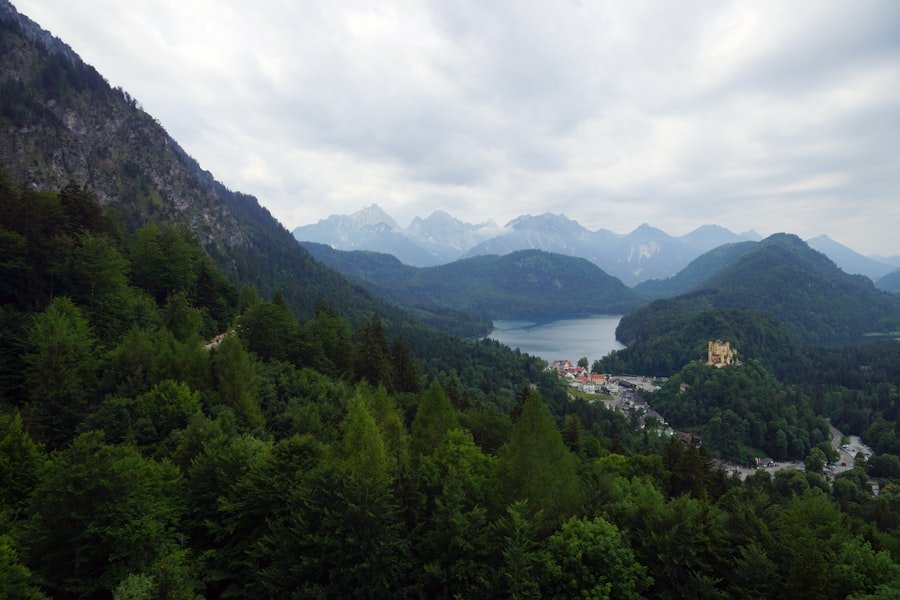
Among the myriad castles that grace Germany’s landscape, Neuschwanstein Castle stands out as one of the most iconic. Nestled in the Bavarian Alps near Füssen, this fairy-tale castle was commissioned by King Ludwig II in the 19th century. Its picturesque towers and stunning mountain backdrop have made it a popular tourist destination, attracting millions each year.
The castle’s interior is equally captivating, featuring elaborate rooms adorned with intricate woodwork and vibrant murals that depict scenes from Wagnerian operas. Neuschwanstein embodies the romantic ideals of its time, making it a must-visit for anyone exploring Germany’s castle heritage. Another remarkable site is Hohenzollern Castle, perched atop a hill in Baden-Württemberg.
This castle has a rich history dating back to the 11th century and has undergone several reconstructions over the centuries. Its impressive fortifications and stunning views of the surrounding countryside make it a popular destination for history enthusiasts and nature lovers alike. Visitors can explore its well-preserved interiors, including the grand hall and chapel, which showcase medieval craftsmanship.
Hohenzollern Castle not only offers a glimpse into Germany’s feudal past but also serves as a reminder of the enduring legacy of noble families in shaping the nation’s history.
Architectural Features of German Castles
The architectural styles of German castles are as diverse as their histories, reflecting various influences from different periods and regions. Many castles exhibit characteristics typical of Romanesque architecture, such as thick stone walls, rounded arches, and sturdy towers designed for defense. These features were essential during the early medieval period when castles served primarily as fortifications against invaders.
The use of local materials like sandstone or limestone further emphasizes their connection to the surrounding landscape. As time progressed into the Gothic period, many castles began to incorporate more elaborate designs. Pointed arches, ribbed vaults, and flying buttresses became prominent features, enhancing both structural integrity and aesthetic appeal.
The transition to Renaissance architecture brought about a shift towards symmetry and proportion, with an emphasis on classical elements such as columns and pediments. This evolution is evident in castles like Heidelberg Castle, where visitors can observe a blend of Gothic and Renaissance styles that reflect its long history of construction and renovation.
Famous Events and Legends Associated with German Castles
| Castle Name | Location | Year Built | Historical Significance | Visitor Rating (out of 5) | Notable Features |
|---|---|---|---|---|---|
| Neuschwanstein Castle | Bavaria | 1869 | Inspired Disney’s Sleeping Beauty Castle; built by King Ludwig II | 4.8 | Fairy-tale architecture, scenic mountain views |
| Heidelberg Castle | Heidelberg | 13th century | Renaissance architecture; symbol of German Romanticism | 4.6 | Ruins, Great Vat wine barrel, panoramic views of Heidelberg |
| Hohenzollern Castle | Baden-Württemberg | 11th century (rebuilt in 19th century) | Seat of the Prussian Royal House and Hohenzollern dynasty | 4.7 | Neo-Gothic style, museum, royal artifacts |
| Wartburg Castle | Thuringia | 1067 | Martin Luther translated the New Testament here | 4.5 | Medieval architecture, UNESCO World Heritage Site |
| Marksburg Castle | Rhineland-Palatinate | 12th century | One of the best-preserved medieval castles on the Rhine | 4.4 | Original medieval interiors, strategic hilltop location |
German castles are often steeped in legends and historical events that add to their mystique. One such tale is that of Burg Eltz, a stunning castle located in the Moselle Valley. This medieval fortress has remained in the same family for over 850 years, which has led to numerous stories about its inhabitants.
One popular legend tells of a knight who fell in love with a beautiful maiden from a rival family; their forbidden romance ultimately led to a tragic end that is said to haunt the castle to this day. Such stories not only enrich the visitor experience but also highlight the deep emotional connections people have with these historic sites. Another notable event is associated with Wartburg Castle in Thuringia, where Martin Luther sought refuge after being declared an outlaw by Emperor Charles
It was here that Luther translated the New Testament into German, making it accessible to a broader audience and significantly impacting the Protestant Reformation. The castle itself is a UNESCO World Heritage site and serves as a symbol of religious transformation in Germany. Visitors can explore Luther’s room and other areas where significant historical discussions took place, providing insight into how this castle played a crucial role in shaping modern German society.
The Influence of Castles on German Culture and Society
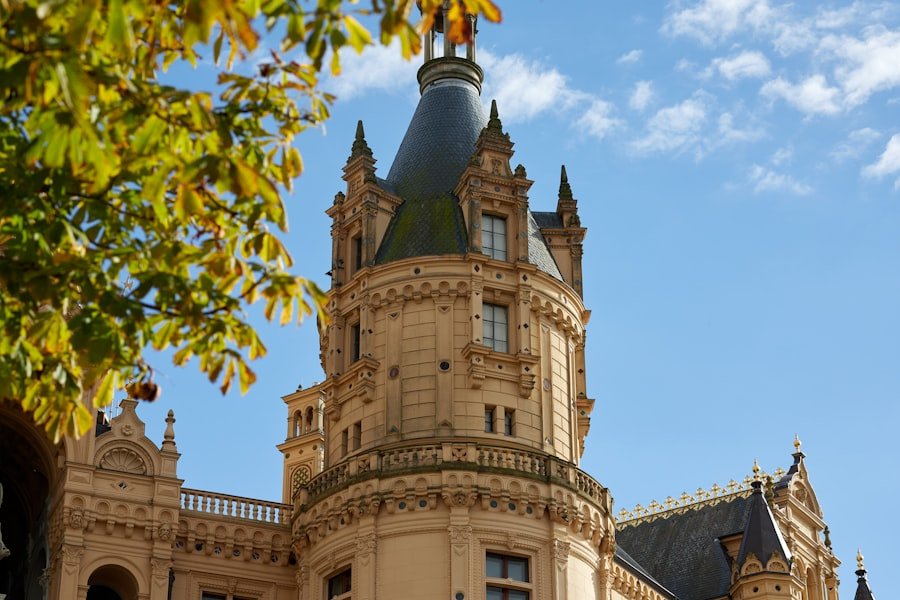
The influence of castles extends far beyond their physical presence; they have played an integral role in shaping German culture and societal norms throughout history. Castles served as centers for governance and administration during feudal times, where local lords exercised authority over their subjects. This hierarchical structure laid the groundwork for social organization in medieval Germany, influencing everything from land ownership to legal systems.
Moreover, castles have become symbols of national identity and pride. They are often featured in literature, art, and folklore, representing ideals such as chivalry, bravery, and romanticism. The Brothers Grimm famously drew inspiration from various castles when crafting their fairy tales, embedding these structures into the cultural consciousness of Germany.
Today, many castles continue to inspire artists and writers alike, serving as backdrops for contemporary stories while preserving their historical significance.
Tips for Visiting and Exploring German Castles
When planning a visit to Germany’s historic castles, there are several tips that can enhance your experience. First and foremost, it is advisable to check opening hours and any special events or guided tours available at each site. Many castles offer informative tours led by knowledgeable guides who can provide deeper insights into their history and architecture.
Additionally, consider visiting during off-peak seasons to avoid large crowds; this allows for a more intimate exploration of these magnificent structures. Another important aspect is to wear comfortable footwear, as many castles are situated on hilly terrain or require walking along cobblestone paths. Bringing along a camera is also recommended; capturing the stunning vistas surrounding these castles can create lasting memories.
Lastly, take time to explore not just the castle itself but also its gardens or surrounding landscapes; many castles are set against breathtaking backdrops that enhance their beauty.
Preserving and Protecting Germany’s Historic Castles
The preservation of Germany’s historic castles is crucial for maintaining cultural heritage and educating future generations about the nation’s past. Various organizations work tirelessly to restore and protect these structures from decay caused by weathering or neglect. Funding often comes from government grants, private donations, and tourism revenue generated by visitors eager to explore these sites.
In recent years, there has been an increasing awareness regarding sustainable tourism practices that balance visitor access with conservation efforts. Many castles have implemented measures to minimize environmental impact while ensuring that they remain accessible to tourists. This includes promoting responsible tourism practices among visitors and investing in restoration projects that utilize traditional building techniques to maintain authenticity.
The ongoing efforts to preserve these historic sites reflect a broader commitment to safeguarding cultural heritage in Germany. As custodians of history, it is essential to ensure that future generations can continue to appreciate the beauty and significance of these remarkable castles that have shaped not only Germany but also European history as a whole.
FAQs
What are some of the best castles to visit in Germany for history lovers?
Some of the best castles in Germany for history enthusiasts include Neuschwanstein Castle, Hohenzollern Castle, Wartburg Castle, Heidelberg Castle, and Burg Eltz. Each offers unique historical significance and architectural beauty.
Are these castles open to the public year-round?
Most castles in Germany are open to visitors throughout the year, but opening hours can vary by season. It is advisable to check the official websites of each castle for current visiting hours and any seasonal closures.
Do I need to book tickets in advance to visit these castles?
For popular castles like Neuschwanstein and Heidelberg, it is recommended to book tickets in advance, especially during peak tourist seasons, to avoid long waiting times and ensure entry.
Are guided tours available at these castles?
Yes, many castles offer guided tours in multiple languages, providing detailed historical context and insights. Audio guides are also commonly available for self-paced exploration.
Can I visit these castles with children?
Yes, most castles are family-friendly and offer activities or exhibits suitable for children. However, some areas may have limited accessibility or steep stairs, so supervision is advised.
Is photography allowed inside the castles?
Photography policies vary by castle. While outdoor photography is generally permitted, indoor photography may be restricted or require special permission. Visitors should check specific rules before taking photos inside.
How accessible are these castles for people with mobility issues?
Accessibility varies; some castles have limited wheelchair access due to their historic structures. Many provide information on accessibility on their websites, and some offer alternative viewing options or assistance.
What is the best way to reach these castles?
Most castles are accessible by car, public transportation, or organized tours. Some are located near major cities or train stations, while others may require additional travel by bus or taxi.
Are there any special events or festivals held at these castles?
Many castles host seasonal events, medieval festivals, concerts, and historical reenactments. Checking the castle’s event calendar before planning a visit can enhance the experience.
Can I combine castle visits with other historical or cultural attractions?
Yes, many castles are located near other historical sites, museums, and scenic areas, allowing visitors to create comprehensive cultural itineraries in regions like Bavaria, the Rhineland, and Thuringia.