Labor laws constitute a comprehensive regulatory system that defines the legal relationship between employers and employees. These regulations serve to safeguard worker rights through provisions for fair treatment, workplace safety standards, and just compensation practices. The development of labor legislation began during the Industrial Revolution, when organized worker movements successfully advocated for improved working conditions, resulting in the creation of foundational legal protections.
These laws have subsequently adapted to address evolving workplace challenges, including employment discrimination, wage violations, and occupational health hazards. Labor laws are typically established through statutory legislation and administrative regulations that specify the obligations and entitlements of employers and workers. These legal frameworks demonstrate considerable variation across different jurisdictions, influenced by local economic factors, societal perspectives on employment, and prevailing political philosophies.
Certain nations maintain comprehensive labor protection systems featuring strong trade union presence and collective bargaining mechanisms, while others adopt market-oriented policies that emphasize employer operational flexibility over extensive worker safeguards. Knowledge of applicable labor laws is essential for employees exercising their legal rights and for employers ensuring regulatory compliance while creating productive work environments.
Understanding Employee Rights
Employee rights encompass a broad range of protections that are designed to ensure fair treatment in the workplace. These rights include the right to receive a minimum wage, the right to work in a safe environment, and the right to be free from discrimination based on race, gender, age, or other protected characteristics. Additionally, employees have the right to organize and join unions, which can provide them with a collective voice in negotiations with employers regarding wages, benefits, and working conditions.
One of the most fundamental employee rights is the right to fair compensation for work performed. This includes not only adherence to minimum wage laws but also regulations regarding overtime pay. For example, in the United States, the Fair Labor Standards Act (FLSA) mandates that non-exempt employees must receive overtime pay at a rate of one and a half times their regular hourly wage for any hours worked beyond 40 in a workweek.
Understanding these rights is essential for employees to advocate for themselves and ensure they are compensated fairly for their labor.
Labor Laws in the Healthcare Industry

The healthcare industry is subject to a unique set of labor laws that reflect the critical nature of its services and the diverse workforce it employs. Healthcare workers, including nurses, doctors, and support staff, often face demanding conditions that require specific legal protections. For instance, labor laws in this sector often address issues such as staffing ratios, mandatory breaks, and workplace safety standards.
The Occupational Safety and Health Administration (OSHA) plays a vital role in enforcing safety regulations in healthcare settings, ensuring that workers are protected from hazards such as exposure to infectious diseases or hazardous materials. Moreover, labor laws in the healthcare industry also encompass regulations related to patient care and employee rights. For example, many states have enacted laws that protect whistleblowers who report unsafe practices or violations of patient rights within healthcare facilities.
These protections are crucial for fostering an environment where employees can speak up without fear of retaliation. Additionally, collective bargaining agreements in healthcare often include provisions for adequate staffing levels and professional development opportunities, which are essential for maintaining high standards of patient care.
Labor Laws in the Retail Industry
The retail industry presents its own set of challenges and considerations when it comes to labor laws. Retail workers often face fluctuating hours, variable pay structures, and high turnover rates. Labor laws in this sector address issues such as scheduling practices, wage theft, and employee classification.
For instance, many states have implemented laws requiring employers to provide advance notice of schedule changes or to compensate employees for last-minute schedule alterations. Wage theft is another significant concern in the retail industry. Employees may be denied overtime pay or required to work off-the-clock without compensation.
To combat these issues, various labor laws have been enacted at both state and federal levels to protect retail workers’ rights. The Fair Labor Standards Act (FLSA) applies here as well, ensuring that retail employees receive proper wages for their work. Additionally, some states have introduced legislation aimed at increasing transparency around pay practices and ensuring that employees are aware of their rights regarding compensation.
Labor Laws in the Technology Industry
| Industry | Key Labor Law Protections | Minimum Wage Compliance | Overtime Regulations | Workplace Safety Standards | Employee Benefits |
|---|---|---|---|---|---|
| Manufacturing | OSHA safety standards, union rights, anti-discrimination laws | Ensured by Fair Labor Standards Act (FLSA) | Mandatory overtime pay after 40 hours/week | Strict machinery and hazardous material handling protocols | Health insurance, retirement plans, paid leave |
| Healthcare | Patient privacy laws, shift length limits, anti-harassment policies | Minimum wage laws enforced with state variations | Overtime pay for hours beyond scheduled shifts | Infection control and ergonomic standards | Paid sick leave, health benefits, continuing education support |
| Retail | Child labor restrictions, scheduling transparency, wage theft prevention | Compliance with federal and state minimum wage laws | Overtime pay required after 40 hours/week | Safe premises and emergency preparedness | Employee discounts, paid time off, health benefits (varies) |
| Construction | Safety training, hazard communication, union protections | Minimum wage adherence monitored by Department of Labor | Overtime pay for hours over 40/week or as per union contracts | Strict OSHA regulations on site safety and equipment use | Health insurance, workers’ compensation, retirement plans |
| Technology | Intellectual property rights, anti-discrimination, flexible work policies | Minimum wage laws apply, often supplemented by stock options | Overtime pay less common due to salaried positions | Ergonomic workplace standards and mental health support | Comprehensive health benefits, remote work options, bonuses |
The technology industry is rapidly evolving, bringing with it new challenges related to labor laws and employee rights. As tech companies grow and innovate, they often face scrutiny regarding their employment practices. Issues such as remote work policies, data privacy concerns, and intellectual property rights are increasingly relevant in this sector.
Labor laws must adapt to address these unique challenges while ensuring that employees are treated fairly. One significant area of concern in the technology industry is the classification of workers as independent contractors versus employees. Many tech companies rely on gig workers or freelancers for various tasks, which can lead to disputes over benefits and protections typically afforded to full-time employees.
Recent legislative efforts in several jurisdictions aim to clarify these classifications and extend protections to gig workers. For example, California’s Assembly Bill 5 (AB5) established stricter criteria for classifying workers as independent contractors, thereby granting more rights and benefits to those who qualify as employees.
Labor Laws in the Manufacturing Industry

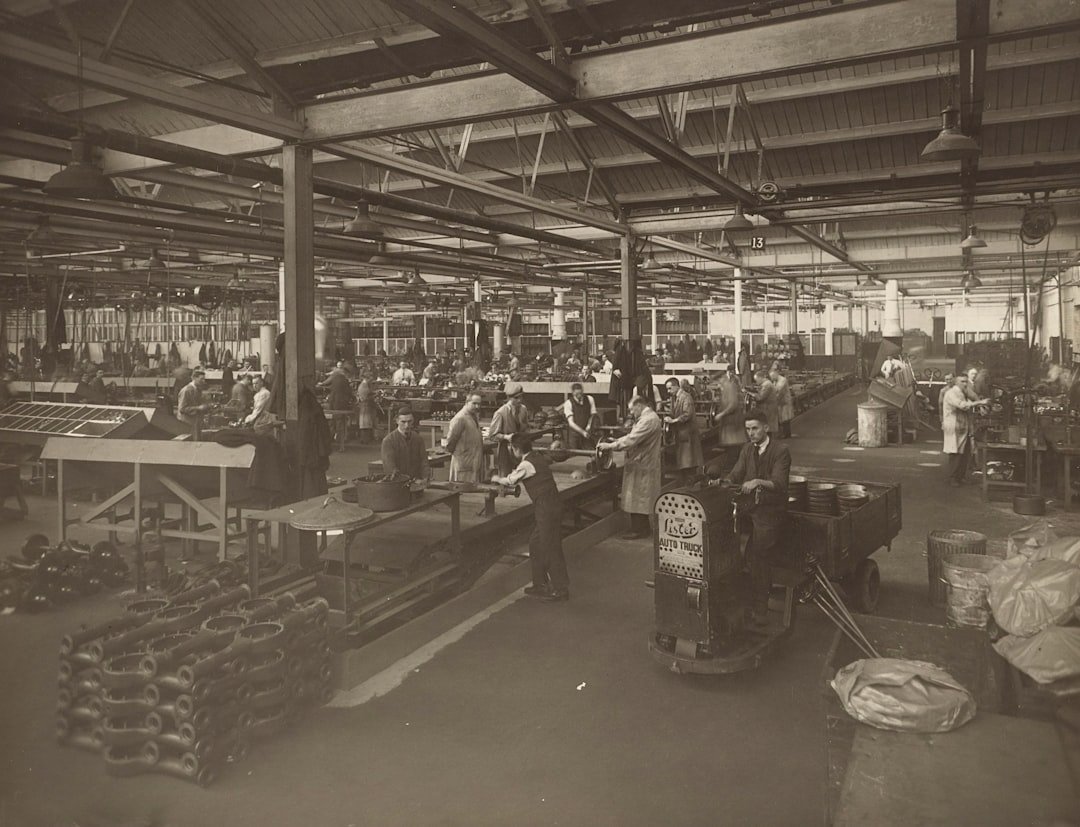
The manufacturing industry has long been at the forefront of labor law developments due to its historical significance in labor movements and worker organization. Labor laws in this sector focus heavily on workplace safety standards, collective bargaining rights, and fair labor practices. The Occupational Safety and Health Administration (OSHA) plays a crucial role in regulating safety standards within manufacturing facilities, ensuring that workers are protected from hazardous conditions such as exposure to toxic substances or unsafe machinery.
Collective bargaining is particularly important in manufacturing, where unions have historically played a significant role in advocating for workers’ rights. Labor agreements often cover wages, benefits, working conditions, and job security provisions. For instance, many manufacturing unions negotiate contracts that include provisions for health insurance coverage, retirement benefits, and paid leave.
These agreements not only enhance worker protections but also contribute to overall job satisfaction and productivity within the industry.
Ensuring Compliance with Labor Laws
Ensuring compliance with labor laws is a critical responsibility for employers across all industries. Non-compliance can lead to significant legal repercussions, including fines, lawsuits, and damage to an organization’s reputation. Employers must stay informed about current labor laws and regulations relevant to their specific industry while also implementing policies that promote compliance within their organizations.
One effective strategy for ensuring compliance is conducting regular training sessions for management and staff on labor law requirements. This training can cover topics such as employee rights, anti-discrimination policies, wage regulations, and workplace safety standards. Additionally, organizations should establish clear reporting mechanisms for employees to voice concerns or report violations without fear of retaliation.
By fostering an open dialogue about labor law compliance and employee rights, employers can create a culture of accountability that benefits both workers and the organization as a whole.
Importance of Employee Rights
The importance of employee rights cannot be overstated; they form the foundation of a fair and just workplace environment. Labor laws serve as essential safeguards that protect workers from exploitation and discrimination while promoting dignity and respect within the workforce. As industries continue to evolve with technological advancements and changing economic landscapes, it is imperative that labor laws adapt accordingly to ensure that employee rights remain protected.
In an era where remote work is becoming increasingly common and gig economies are on the rise, understanding labor laws is more critical than ever for both employees and employers alike. By prioritizing compliance with these laws and fostering an environment where employee rights are respected and upheld, organizations can not only avoid legal pitfalls but also enhance employee morale and productivity. Ultimately, a commitment to protecting employee rights contributes to a healthier workforce and a more equitable society overall.
FAQs
What are labor laws?
Labor laws are regulations established by governments to protect the rights and interests of employees in the workplace. They cover aspects such as wages, working hours, safety, discrimination, and benefits.
How do labor laws vary across different industries?
Labor laws can vary depending on the industry due to the nature of work, risks involved, and industry standards. For example, construction and manufacturing industries often have stricter safety regulations compared to office-based industries.
What protections do labor laws provide to employees?
Labor laws protect employees by ensuring fair wages, reasonable working hours, safe working conditions, protection against discrimination and harassment, rights to unionize, and access to benefits like health insurance and paid leave.
Are labor laws the same in every country?
No, labor laws differ significantly from country to country based on legal systems, economic conditions, and cultural factors. However, many countries follow international labor standards set by organizations like the International Labour Organization (ILO).
How do labor laws ensure workplace safety?
Labor laws mandate employers to provide safe working environments by enforcing safety standards, conducting regular inspections, providing safety training, and requiring the use of protective equipment.
Can labor laws help in resolving workplace disputes?
Yes, labor laws often include mechanisms for dispute resolution such as mediation, arbitration, and labor courts to address conflicts between employers and employees.
Do labor laws protect part-time and temporary workers?
Many labor laws extend protections to part-time, temporary, and contract workers, although the extent of these protections can vary depending on the jurisdiction and specific legislation.
How do labor laws support employee rights to unionize?
Labor laws typically grant employees the right to form and join labor unions, engage in collective bargaining, and participate in strikes or other collective actions to negotiate better working conditions.
What role do labor laws play in preventing discrimination at work?
Labor laws prohibit discrimination based on race, gender, age, religion, disability, and other protected characteristics, ensuring equal employment opportunities and fair treatment in hiring, promotion, and compensation.
How are labor laws enforced?
Labor laws are enforced by government agencies such as labor departments or ministries, which conduct inspections, investigate complaints, and impose penalties on employers who violate regulations.
About the Author