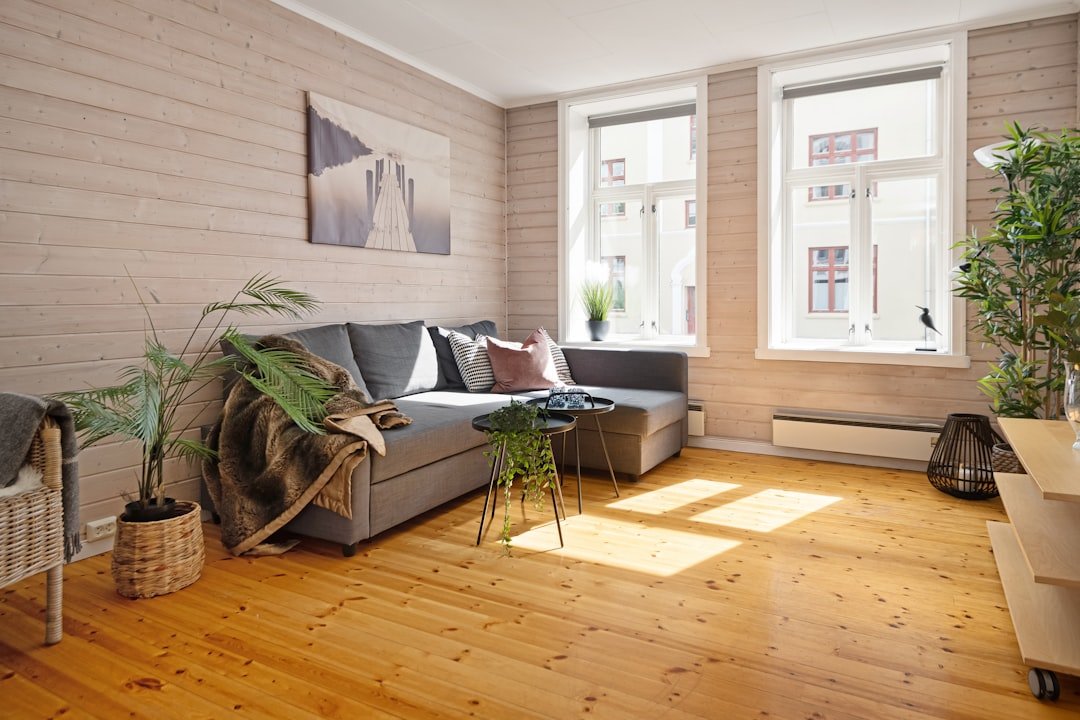
Effective storage maximization requires strategic utilization of available space throughout the home. Built-in storage solutions, including shelves, cabinets, and drawers, integrate directly into existing architectural features to optimize space efficiency. Under-stair areas can accommodate storage for books, footwear, and seasonal items that would otherwise occupy valuable living space.
Above-door shelving provides additional storage capacity while maintaining room aesthetics. Modular furniture systems offer adaptable storage solutions that can be reconfigured based on changing requirements. These systems allow users to expand or contract storage capacity according to current needs.
Modular shelving units can be adjusted in height, width, and configuration to accommodate varying quantities of items over time. Concealed storage options maximize functionality while preserving visual appeal. Storage ottomans provide seating while housing items internally, and coffee tables with integrated drawers offer surface space alongside hidden compartments.
These dual-purpose furniture pieces reduce visible clutter while maintaining room functionality. Strategic implementation of these storage methods increases usable space capacity without compromising interior design or comfort levels.
Multi-functional Furniture
The rise of urban living has led to an increased demand for multi-functional furniture that serves more than one purpose. This trend is particularly beneficial in smaller homes or apartments where space is at a premium. A prime example of multi-functional furniture is the sofa bed, which provides a comfortable seating area during the day and easily converts into a sleeping space at night.
This versatility is invaluable for accommodating guests without the need for a dedicated guest room. Another innovative piece of multi-functional furniture is the extendable dining table. These tables can be compact for everyday use but can expand to accommodate larger gatherings when needed.
This adaptability not only saves space but also enhances the functionality of the dining area. Furthermore, furniture pieces that incorporate storage, such as beds with built-in drawers or desks that fold away when not in use, exemplify how multi-functional designs can optimize living spaces. By investing in such versatile pieces, homeowners can create environments that are both practical and stylish.
Utilizing Vertical Space
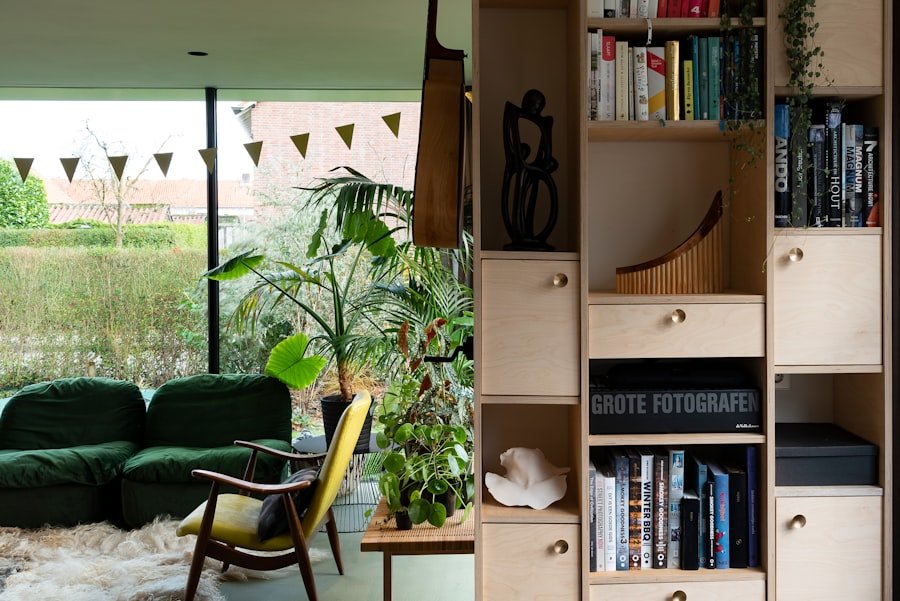
In many homes, vertical space is often overlooked, yet it presents a significant opportunity for enhancing both storage and aesthetics. By drawing the eye upward, homeowners can create an illusion of greater height and openness in a room. One effective method of utilizing vertical space is through the installation of tall bookshelves that reach from floor to ceiling.
These shelves not only provide ample storage for books and decorative items but also serve as a striking visual element in the room. Additionally, wall-mounted shelving units can be strategically placed to display art or plants, adding character to the space while keeping surfaces clear. In kitchens, hanging pot racks or magnetic knife strips can free up counter space while keeping essential items within easy reach.
The use of vertical space extends beyond mere storage; it can also enhance the overall design of a room. By incorporating vertical elements such as tall mirrors or vertical gardens, homeowners can create a sense of depth and dimension that transforms their living areas into more inviting and dynamic environments.
Light and Bright Color Schemes
Color plays a crucial role in shaping the ambiance of a space, and light and bright color schemes are particularly effective in making rooms feel more spacious and airy. Soft whites, pale blues, and light grays can reflect natural light, creating an illusion of openness that is especially beneficial in smaller areas. For instance, painting walls in a soft pastel hue can brighten up a room while providing a serene backdrop for furnishings and decor.
In addition to wall colors, incorporating light-colored furniture and accessories can further enhance this effect. A light-colored sofa paired with pastel throw pillows can create a cohesive look that feels fresh and inviting. Moreover, using mirrors strategically within a room can amplify natural light and make spaces appear larger than they are.
A well-placed mirror opposite a window can reflect light back into the room, enhancing brightness and creating an illusion of depth. By thoughtfully selecting colors and materials, homeowners can cultivate an environment that feels open and welcoming.
Open Concept Layouts
| Renovation Strategy | Description | Benefits | Estimated Time | Space Efficiency Impact |
|---|---|---|---|---|
| Multi-functional Furniture | Use furniture that serves multiple purposes, such as sofa beds or storage ottomans. | Maximizes usable space and reduces clutter. | 1-2 days | High |
| Vertical Storage Solutions | Install shelves, hooks, and cabinets that utilize wall space. | Frees up floor area and organizes belongings efficiently. | 2-3 days | High |
| Open Floor Plan | Remove unnecessary walls or partitions to create a more open and flexible space. | Enhances natural light and makes the area feel larger. | 1-2 weeks | Medium |
| Light Color Palette | Use light and neutral colors on walls and furniture. | Creates an illusion of more space and brightness. | 3-5 days | Medium |
| Built-in Storage | Incorporate built-in cabinets and shelves tailored to the space. | Optimizes every inch and reduces bulky furniture. | 1-2 weeks | High |
| Mirrors | Place mirrors strategically to reflect light and expand visual space. | Enhances brightness and perception of room size. | 1 day | Medium |
| Sliding Doors | Replace traditional doors with sliding or pocket doors. | Saves floor space otherwise needed for door swing. | 2-4 days | High |
| Decluttering and Minimalism | Remove unnecessary items and keep only essentials. | Improves space usability and reduces visual chaos. | Ongoing | High |
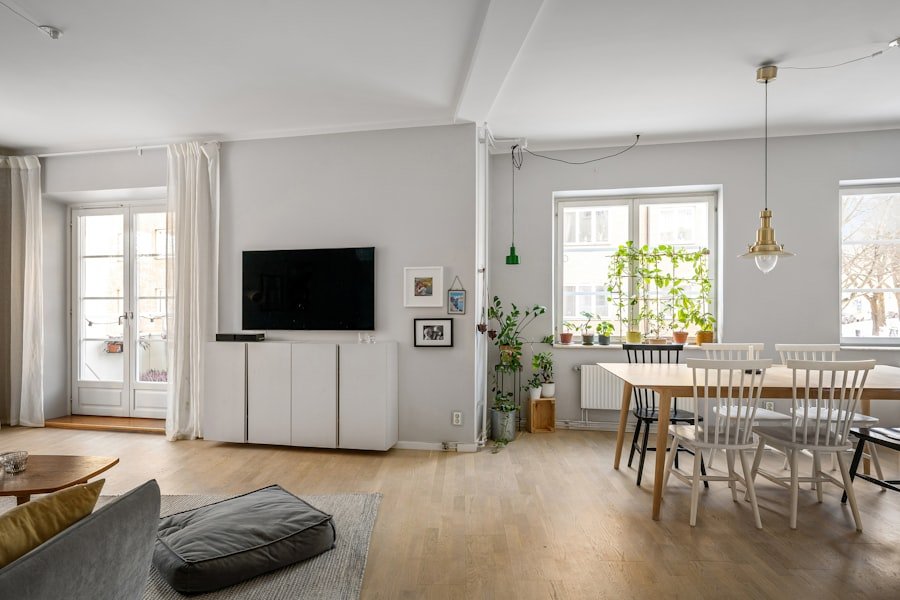
The open concept layout has gained immense popularity in modern home design due to its ability to foster connectivity and flow between different living areas. By removing walls that traditionally separate spaces like the kitchen, dining room, and living room, homeowners can create an expansive environment that encourages interaction and socialization. This layout not only enhances the functionality of a home but also allows for better natural light distribution throughout the space.
In an open concept design, it becomes essential to establish distinct zones within the larger area to maintain organization and purpose. This can be achieved through the use of area rugs to define spaces or strategically placed furniture arrangements that guide movement through the home. For example, a large sectional sofa can delineate the living area from the dining space while still maintaining an open feel.
Additionally, incorporating elements such as half walls or decorative screens can provide subtle separations without compromising the overall openness of the layout. The result is a harmonious living environment that feels both spacious and inviting.
Smart Technology Integration
As technology continues to evolve, integrating smart devices into home design has become increasingly popular. Smart technology not only enhances convenience but also contributes to efficient use of space. For instance, smart thermostats allow homeowners to control their heating and cooling systems remotely, optimizing energy usage based on occupancy patterns.
This not only saves money but also reduces clutter associated with traditional thermostats. Moreover, smart lighting systems enable users to adjust brightness levels and color temperatures through mobile apps or voice commands, allowing for personalized ambiance in any room. In kitchens, smart appliances such as refrigerators with built-in cameras can help homeowners keep track of inventory without opening doors, thus saving energy and reducing food waste.
The integration of smart technology extends beyond convenience; it also promotes sustainability by encouraging more efficient use of resources. As homeowners embrace these innovations, they create spaces that are not only functional but also aligned with modern lifestyles.
Optimal Organization Systems
Creating an organized home environment is essential for maximizing both functionality and aesthetics. Optimal organization systems involve thoughtful planning and implementation of storage solutions tailored to individual needs. For example, utilizing drawer dividers in kitchens can help keep utensils sorted and easily accessible while preventing clutter from accumulating in drawers.
Similarly, implementing labeled bins in closets allows for quick identification of items, making it easier to maintain order. In addition to traditional organization methods, innovative systems such as pegboards or modular wall organizers can provide flexible solutions for various spaces within the home. In garages or workshops, pegboards allow for customizable storage options that adapt to changing needs over time.
In children’s playrooms, colorful bins or baskets encourage kids to participate in tidying up while adding a playful element to the decor. By establishing effective organization systems tailored to specific areas of the home, residents can cultivate environments that promote efficiency and reduce stress associated with clutter.
Space-saving Appliances
In today’s fast-paced world where urban living often means smaller homes, space-saving appliances have become essential for maximizing functionality without compromising on style. These appliances are designed with compactness in mind while still delivering high performance. For instance, stackable washer-dryer units are ideal for apartments where laundry space is limited; they provide all the necessary functions without taking up valuable floor space.
Another example includes slim refrigerators that offer ample storage capacity while fitting seamlessly into tight kitchen layouts. These appliances often come equipped with advanced features such as energy-efficient cooling systems and smart technology integration that enhances usability without sacrificing performance. Additionally, multi-cookers have gained popularity as they combine several cooking functions—such as pressure cooking, slow cooking, and sautéing—into one compact device, reducing the need for multiple appliances cluttering countertops.
By selecting space-saving appliances that meet specific needs while maintaining efficiency and style, homeowners can create functional living spaces that cater to modern lifestyles without feeling cramped or disorganized. The thoughtful integration of these appliances not only enhances daily routines but also contributes to an overall sense of harmony within the home environment.
FAQs
What are some effective ways to maximize space in small living areas?
Utilizing multifunctional furniture, incorporating vertical storage solutions, and decluttering regularly are effective ways to maximize space in small living areas. Using light colors and mirrors can also create an illusion of more space.
How can I choose the right furniture for a small living space?
Opt for furniture that serves multiple purposes, such as sofa beds or storage ottomans. Choose pieces with a smaller footprint and consider foldable or stackable options to save space when not in use.
What role does lighting play in renovating small living spaces?
Good lighting can make a small space feel larger and more inviting. Use a combination of natural light, overhead lighting, and task lighting to brighten the area and reduce shadows that can make a room feel cramped.
Are there specific color schemes recommended for small living spaces?
Light and neutral colors are generally recommended as they reflect more light and make the space feel open and airy. However, incorporating bold accents can add personality without overwhelming the room.
How can storage be optimized in a small living space?
Use vertical storage such as shelves and wall-mounted cabinets, under-bed storage, and built-in furniture with hidden compartments. Keeping items organized and minimizing clutter also helps optimize storage.
Is it necessary to hire a professional for renovating small living spaces?
While not always necessary, hiring a professional can help maximize the efficiency of the renovation by providing expert design solutions and ensuring proper use of space and materials.
What are some budget-friendly renovation tips for small living spaces?
Repurposing existing furniture, using peel-and-stick wallpaper, painting walls, and adding inexpensive storage solutions like baskets and hooks are budget-friendly ways to renovate small living spaces efficiently.
How important is planning before starting a renovation in a small living space?
Planning is crucial to ensure that every inch of space is used effectively. It helps avoid costly mistakes, ensures the renovation meets your needs, and allows for better coordination of design elements and materials.