Vietnam encompasses diverse geographical features including mountain ranges, coastal areas, forests, and river systems that support varied ecosystems and biodiversity. The country contains numerous protected areas, including national parks and UNESCO World Heritage Sites, which serve conservation purposes while providing economic benefits through tourism. Vietnam’s natural environments range from the northern highlands along the Chinese border to the Mekong Delta in the south.
These areas contain distinct flora and fauna adapted to different climatic conditions, from subtropical regions in the north to tropical zones in the central and southern areas. The country’s 3,444-kilometer coastline along the South China Sea features beaches, bays, and marine ecosystems. Protected natural areas in Vietnam include five UNESCO World Heritage Sites recognized for their outstanding universal value.
These sites, along with national parks and nature reserves, cover approximately 6.6% of the country’s total land area. Conservation efforts in these areas aim to protect endangered species, maintain ecosystem services, and support sustainable tourism development that provides income for local communities while preserving natural resources.
Halong Bay: A UNESCO World Heritage Site
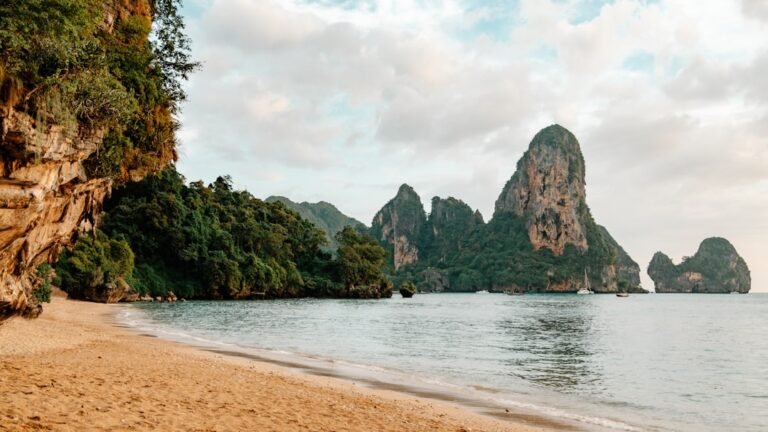
Halong Bay, located in northeastern Vietnam, is one of the most iconic natural wonders in the country and has been designated a UNESCO World Heritage Site since 1994. The bay is famous for its emerald waters dotted with over 1,600 limestone islands and islets, each with its own unique shape and character. The karst formations rise dramatically from the sea, creating a surreal landscape that has inspired countless artists and poets throughout history.
The bay’s name translates to “Descending Dragon,” a reference to the legend that tells of a dragon sent by the gods to protect the Vietnamese people from invaders. Visitors to Halong Bay can embark on boat tours that allow them to explore its hidden caves, floating fishing villages, and secluded beaches. One of the most popular activities is kayaking through the calm waters, where adventurers can paddle among towering limestone cliffs and discover hidden lagoons.
The bay is also home to a rich marine ecosystem, making it an excellent destination for snorkeling and diving. The biodiversity found in Halong Bay includes various species of fish, crustaceans, and even endangered marine turtles, highlighting the importance of conservation efforts in this stunning area.
Phong Nha-Ke Bang National Park: Home to the Largest Cave in the World
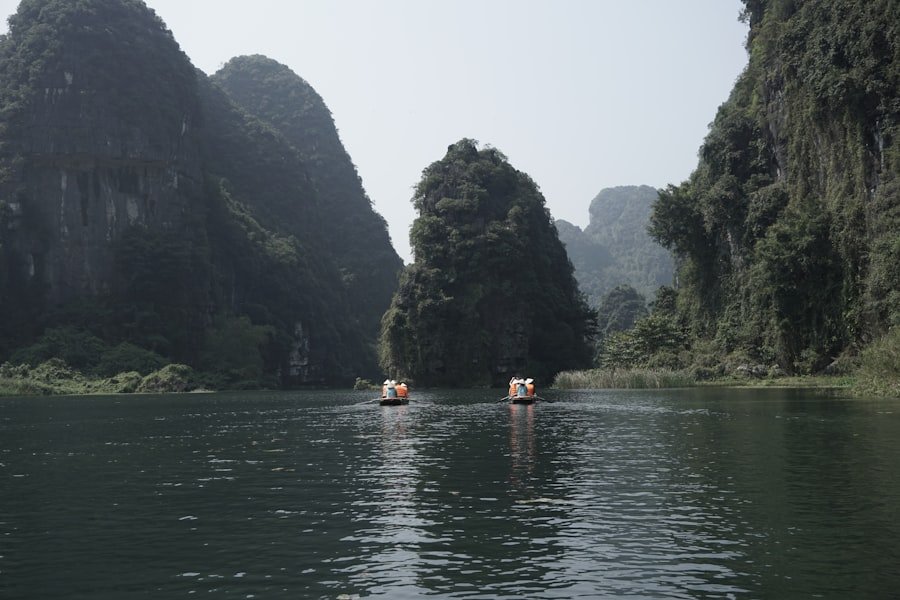
Phong Nha-Ke Bang National Park is another UNESCO World Heritage Site that showcases Vietnam’s extraordinary natural beauty. Located in Quang Binh Province, this national park is renowned for its extensive limestone karst landscapes and an impressive network of caves and grottoes. Among these caves, Son Doong Cave stands out as the largest cave in the world, measuring over 5.5 miles in length and reaching heights of up to 650 feet.
Discovered in 2009, Son Doong has since become a bucket-list destination for adventurous travelers seeking to explore its vast chambers and unique ecosystems. The park’s diverse flora and fauna are equally remarkable. Phong Nha-Ke Bang is home to over 1,400 plant species and numerous animal species, some of which are endemic to the region.
The park’s rich biodiversity is complemented by its geological significance; it contains some of the oldest limestone formations in Asia, dating back over 400 million years. Visitors can partake in guided tours that take them through various caves, including the stunning Phong Nha Cave and the enchanting Paradise Cave, both of which feature impressive stalactites and stalagmites formed over millennia.
Mekong Delta: A Lush and Vibrant Ecosystem
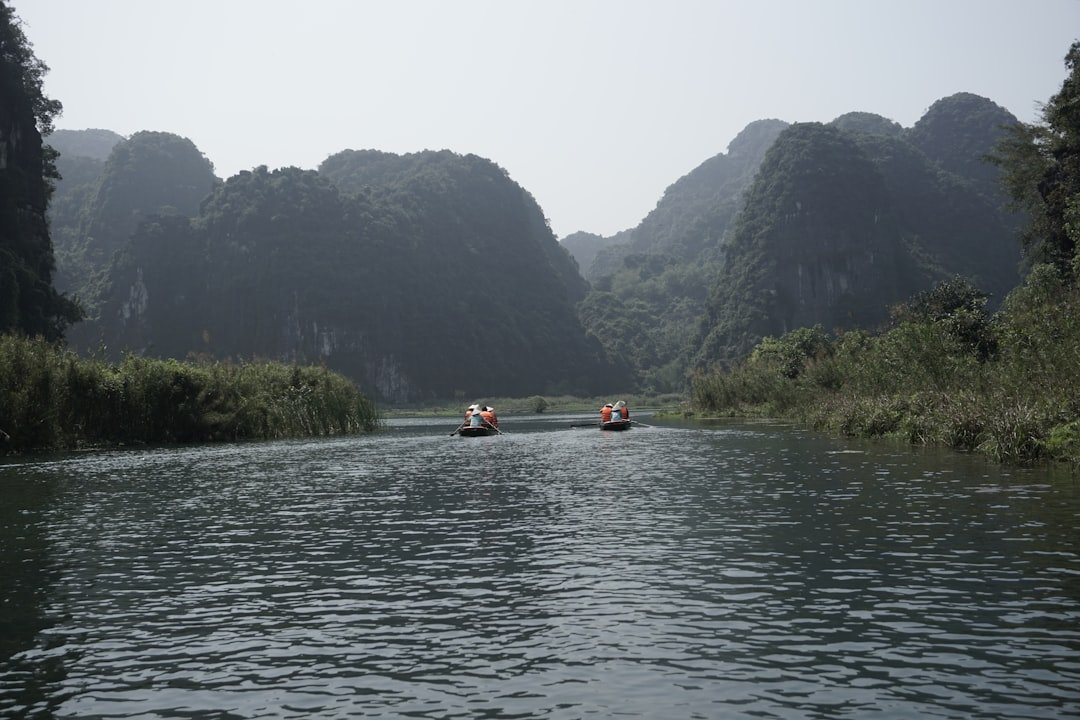
The Mekong Delta is a sprawling network of rivers, swamps, and islands located in southern Vietnam. This region is often referred to as the “Rice Bowl” of Vietnam due to its fertile land and extensive rice paddies that produce a significant portion of the country’s rice supply. The delta’s intricate waterways are lined with lush vegetation and vibrant floating markets, creating a unique cultural landscape that reflects the daily lives of its inhabitants.
Exploring the Mekong Delta offers visitors a chance to experience traditional Vietnamese culture firsthand. Boat tours navigate through narrow canals where local fishermen cast their nets and families live on houseboats. The floating markets, such as Cai Rang and Phong Dien, are bustling hubs where vendors sell fresh produce, handicrafts, and local delicacies directly from their boats.
The delta’s rich biodiversity includes numerous species of fish, birds, and other wildlife, making it an ideal destination for nature enthusiasts and photographers alike.
Sapa: Majestic Mountains and Terraced Rice Fields
| Natural Wonder | Location | Key Features | Best Time to Visit | Approximate Size |
|---|---|---|---|---|
| Ha Long Bay | Quang Ninh Province | Thousands of limestone karsts and islets, emerald waters | October to April | 1,553 km² |
| Phong Nha-Ke Bang National Park | Quang Binh Province | Extensive cave systems, underground rivers, limestone mountains | February to August | 857 km² |
| Son Doong Cave | Quang Binh Province | World’s largest cave, unique ecosystem, underground jungle | February to August | Approx. 9 km length |
| Ban Gioc Waterfall | Cao Bang Province | Majestic multi-tiered waterfall on the border with China | September to November | 300 meters wide |
| Mekong Delta | Southern Vietnam | Vast network of rivers, swamps, and islands, rich biodiversity | December to April | Approximately 40,000 km² |
Nestled in the northern highlands of Vietnam, Sapa is renowned for its stunning mountain landscapes and terraced rice fields that cascade down steep hillsides. This picturesque region is home to several ethnic minority groups, each with its own distinct culture and traditions. The breathtaking views of Fansipan Mountain, often referred to as “The Roof of Indochina,” attract trekkers from around the world who seek to conquer its summit.
The terraced rice fields of Sapa are not only visually striking but also represent an ancient agricultural practice that has been passed down through generations. The fields change colors with the seasons; they are vibrant green during the growing season and transform into golden hues during harvest time. Visitors can hike through these terraces, interact with local farmers, and learn about traditional farming techniques that have sustained communities for centuries.
The region’s cool climate and rich biodiversity also support various plant species, making Sapa a haven for nature lovers.
Con Dao Islands: Pristine Beaches and Marine Life
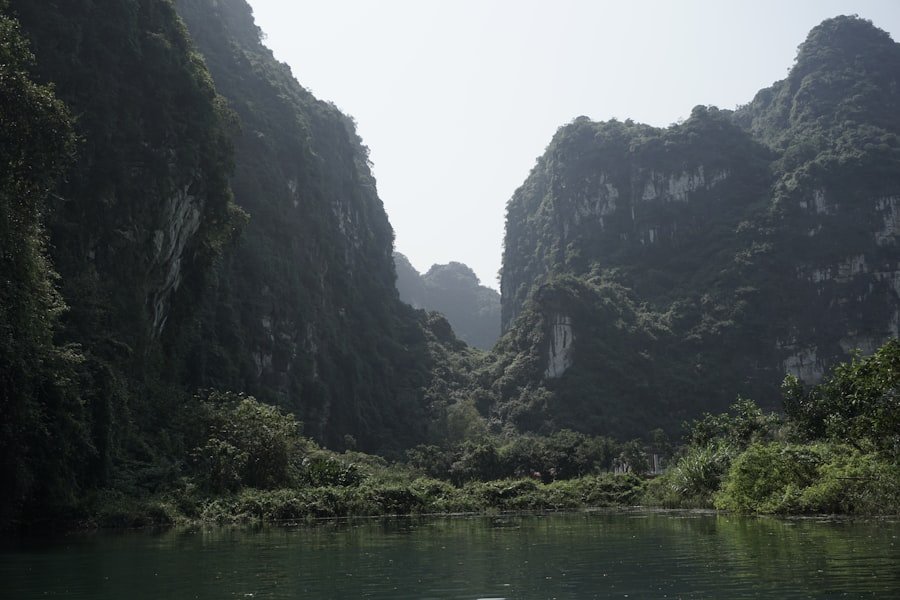
The Con Dao Islands, an archipelago off the southern coast of Vietnam, are known for their pristine beaches and rich marine biodiversity. Once a notorious prison site during the French colonial era, Con Dao has transformed into a tranquil paradise that attracts those seeking relaxation and adventure alike. The islands boast stunning white-sand beaches framed by crystal-clear waters teeming with vibrant coral reefs.
Diving and snorkeling are popular activities in Con Dao due to its abundant marine life, including colorful fish, sea turtles, and even dolphins. The surrounding waters are part of a protected marine park that emphasizes conservation efforts to preserve this delicate ecosystem. Visitors can explore various dive sites or simply relax on the beach while enjoying breathtaking sunsets over the South China Sea.
The islands also offer opportunities for hiking through lush forests where rare species of flora and fauna can be found.
Ba Be National Park: Serene Lakes and Lush Forests
Ba Be National Park is a hidden gem located in northeastern Vietnam, known for its serene lakes surrounded by lush forests and towering limestone mountains. The park encompasses Ba Be Lake, one of the largest natural lakes in Vietnam, which is fed by three rivers: Pe Lam, Pe Lu, and Pe Leng. This tranquil body of water is not only a stunning sight but also serves as a habitat for various aquatic species.
Visitors to Ba Be National Park can engage in activities such as kayaking on the lake or trekking through dense forests filled with diverse wildlife. The park is home to numerous bird species, making it a popular destination for birdwatchers. Additionally, local ethnic minority communities inhabit the area, offering visitors a chance to experience traditional lifestyles and customs.
Homestays provide an authentic glimpse into daily life while allowing travelers to enjoy the breathtaking natural surroundings.
Phu Quoc Island: Tropical Paradise and Coral Reefs
Phu Quoc Island is often referred to as Vietnam’s tropical paradise due to its stunning beaches, lush jungles, and vibrant coral reefs. Located off the southwestern coast of Vietnam in the Gulf of Thailand, Phu Quoc has become increasingly popular among tourists seeking sun-soaked relaxation combined with outdoor adventures. The island boasts some of the most beautiful beaches in Vietnam, such as Long Beach and Sao Beach, where soft white sands meet turquoise waters.
The surrounding waters are rich in marine life, making Phu Quoc an excellent destination for snorkeling and diving enthusiasts. Coral reefs teeming with colorful fish provide an underwater spectacle that captivates divers of all skill levels. In addition to water activities, visitors can explore the island’s interior jungles on guided treks or visit local pepper farms known for producing some of the world’s finest peppercorns.
Phu Quoc’s blend of natural beauty and cultural experiences makes it a must-visit destination for anyone traveling to Vietnam. In summary, Vietnam’s natural wonders offer an incredible array of landscapes that reflect both ecological diversity and cultural richness. From Halong Bay’s iconic limestone formations to Phu Quoc Island’s pristine beaches, each destination provides unique experiences that highlight the country’s breathtaking beauty and vibrant ecosystems.
Whether exploring ancient caves or navigating lush river deltas, visitors are sure to be enchanted by Vietnam’s remarkable natural heritage.
FAQs
What are some must-see natural wonders in Vietnam?
Vietnam is home to several stunning natural wonders, including Ha Long Bay, Phong Nha-Ke Bang National Park, Son Doong Cave, Ban Gioc Waterfall, and the Mekong Delta.
Where is Ha Long Bay located and why is it famous?
Ha Long Bay is located in northeastern Vietnam, in Quang Ninh Province. It is famous for its emerald waters and thousands of towering limestone islands topped with rainforests, making it a UNESCO World Heritage Site.
What makes Phong Nha-Ke Bang National Park special?
Phong Nha-Ke Bang National Park is known for its extensive cave systems, including some of the largest and most spectacular caves in the world, such as Son Doong Cave. It is also a UNESCO World Heritage Site due to its unique karst landscapes and biodiversity.
Can tourists visit Son Doong Cave?
Yes, tourists can visit Son Doong Cave, but access is limited and requires booking a guided tour well in advance due to its remote location and efforts to preserve the cave environment.
Where is Ban Gioc Waterfall and what is unique about it?
Ban Gioc Waterfall is located on the border between Vietnam and China in Cao Bang Province. It is one of the largest and most beautiful waterfalls in Asia, known for its multi-tiered cascades and scenic surroundings.
What is the Mekong Delta known for?
The Mekong Delta is known for its vast network of rivers, swamps, and islands. It is a rich agricultural area famous for floating markets, rice paddies, and diverse wildlife.
When is the best time to visit Vietnam’s natural wonders?
The best time to visit most natural wonders in Vietnam is during the dry season, from November to April, when the weather is cooler and rainfall is minimal.
Are these natural wonders accessible for all types of travelers?
Many natural wonders in Vietnam are accessible to a wide range of travelers, but some, like Son Doong Cave, require physical fitness and advance planning. Others, like Ha Long Bay and the Mekong Delta, offer options for all ages and fitness levels.
Do I need a guide to explore these natural wonders?
While not always mandatory, hiring a local guide is highly recommended for safety, better understanding of the sites, and to support local communities, especially in remote or protected areas.