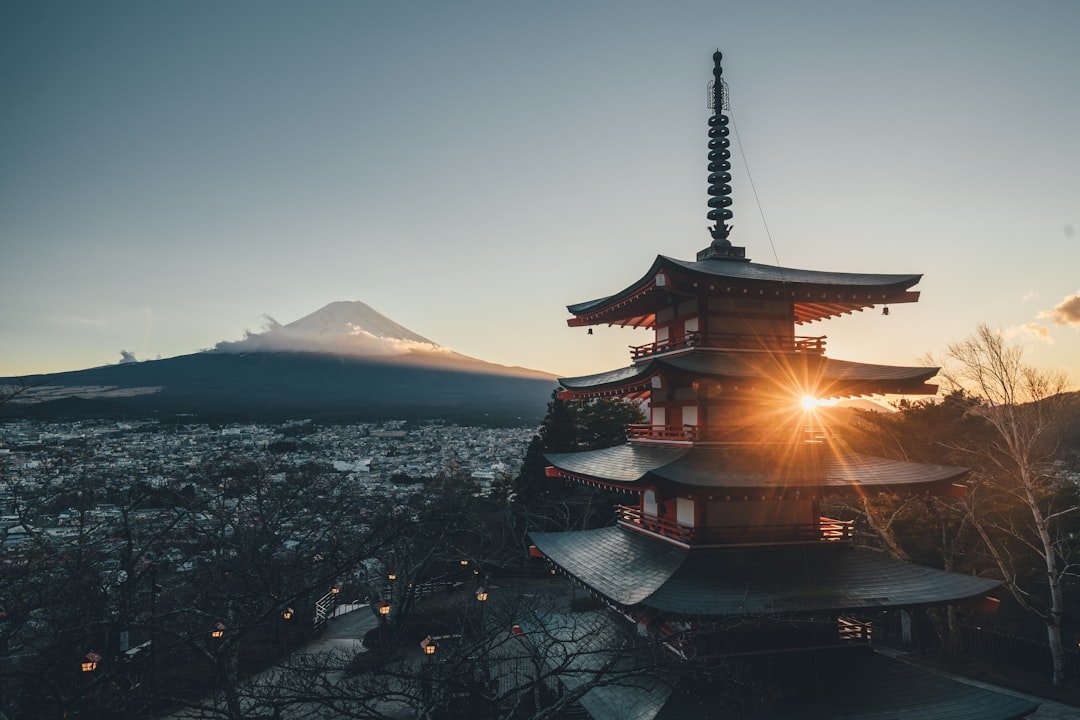
Japan’s cultural heritage is a rich tapestry woven from centuries of history, tradition, and innovation. This island nation, located in East Asia, boasts a unique blend of ancient customs and modern influences, making it a fascinating subject of study for historians, anthropologists, and travelers alike. The cultural landscape of Japan is characterized by its deep-rooted traditions, which have been preserved and celebrated through various art forms, religious practices, and social customs.
From the serene beauty of its temples and shrines to the vibrant energy of its festivals, Japan’s cultural heritage offers a glimpse into the values and beliefs that have shaped its society over millennia. The preservation of cultural heritage in Japan is not merely an act of nostalgia; it serves as a vital link between the past and the present. The Japanese people have a profound respect for their history, which is evident in their commitment to maintaining traditional practices while also embracing modernity.
This duality is reflected in various aspects of life, from architecture and cuisine to art and fashion. As one explores the diverse regions of Japan, it becomes clear that each area has its own unique cultural identity, shaped by local customs, historical events, and geographical features. This article will delve into several key locations that exemplify Japan’s rich cultural heritage, highlighting their significance and the stories they tell.
Kyoto: The Ancient Capital
Kyoto, once the imperial capital of Japan for over a thousand years, stands as a testament to the country’s historical depth and cultural richness. Renowned for its stunning temples, traditional wooden houses, and meticulously maintained gardens, Kyoto is often regarded as the heart of Japanese culture. The city is home to 17 UNESCO World Heritage Sites, including the iconic Kinkaku-ji (Golden Pavilion) and the Ryoan-ji rock garden.
These sites not only showcase exquisite architectural styles but also embody the philosophical principles of Zen Buddhism that have influenced Japanese aesthetics. Walking through the streets of Kyoto feels like stepping back in time. The Gion district, famous for its geisha culture, offers visitors a chance to witness traditional tea houses and the graceful movements of geiko (geisha) and maiko (apprentice geisha).
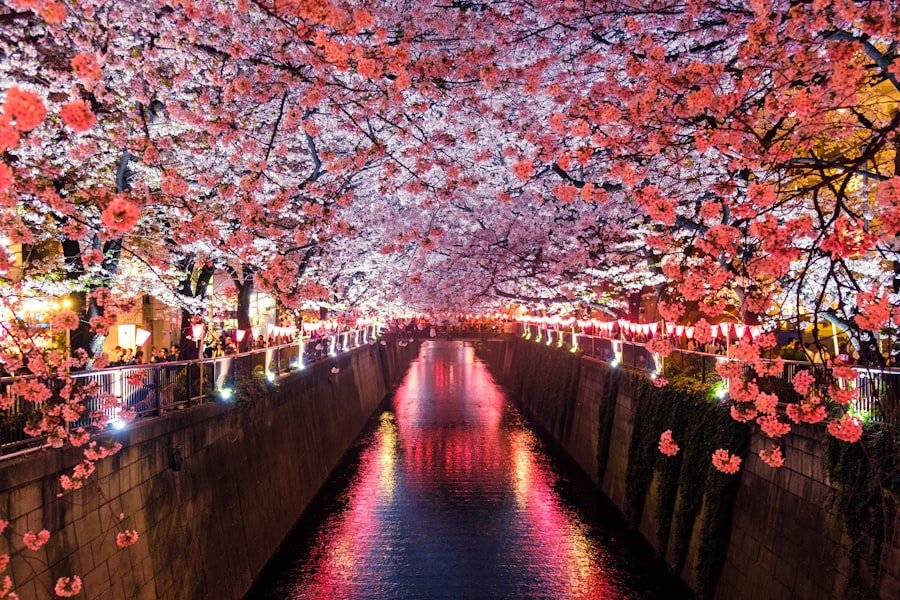
The annual Gion Matsuri festival, held in July, further immerses visitors in Kyoto’s cultural heritage with its vibrant parades featuring elaborately decorated floats. The city’s seasonal festivals, such as Hanami (cherry blossom viewing) in spring and Momiji (autumn leaf viewing) in fall, highlight the Japanese appreciation for nature’s beauty and the transient nature of life. Kyoto’s ability to preserve its traditions while adapting to contemporary influences makes it a living museum of Japanese culture.
Nara: The Birthplace of Japanese Buddhism
Nara, located just a short distance from Kyoto, holds a special place in Japan’s history as the cradle of Japanese Buddhism. Established as the first permanent capital in 710 AD, Nara was a center for political power and cultural development during the Nara period. The city is home to some of Japan’s oldest and most significant temples, including Todai-ji, which houses a colossal bronze statue of Buddha known as Nara’s Great Buddha (Daibutsu).
This monumental figure not only represents the artistic achievements of the time but also symbolizes the profound impact Buddhism had on Japanese society. The influence of Buddhism in Nara extends beyond its temples; it permeates various aspects of daily life and culture. The annual Nara Tokae lantern festival illuminates the city with thousands of candles, creating a serene atmosphere that invites reflection and meditation.
Visitors can also encounter the free-roaming deer in Nara Park, considered sacred messengers of the gods in Shinto belief. This harmonious coexistence of nature and spirituality is emblematic of Nara’s cultural ethos. As one explores Nara’s historical sites and engages with its traditions, it becomes evident that this city is not just a relic of the past but a living embodiment of Japan’s spiritual journey.
Hiroshima: A Testament to Resilience
Hiroshima is perhaps best known for its tragic history as the first city to experience an atomic bombing during World War
However, beyond this somber legacy lies a story of resilience and hope that has shaped Hiroshima’s cultural identity. The Hiroshima Peace Memorial Park serves as a poignant reminder of the horrors of war while promoting a message of peace and reconciliation. The park features several monuments, including the Atomic Bomb Dome, which stands as a haunting symbol of destruction yet also represents the city’s determination to rebuild.
| Rank | Place | Location | Key Cultural Highlights | Best Time to Visit | Annual Visitors (approx.) |
|---|---|---|---|---|---|
| 1 | Kyoto | Kansai Region | Temples, Geisha Districts, Traditional Tea Ceremonies | March to May, October to November | 50 million |
| 2 | Nara | Kansai Region | Ancient Temples, Deer Park, Traditional Festivals | Spring and Autumn | 10 million |
| 3 | Kanazawa | Hokuriku Region | Kenrokuen Garden, Samurai District, Gold Leaf Art | April to June, September to November | 3 million |
| 4 | Takayama | Gifu Prefecture | Historic Old Town, Traditional Festivals, Craftsmanship | April and October | 2 million |
| 5 | Hiroshima | Chugoku Region | Peace Memorial Park, Traditional Okonomiyaki, Shrines | March to May, September to November | 7 million |
| 6 | Kanagawa (Kamakura) | Kanto Region | Ancient Temples, Buddha Statue, Coastal Culture | Spring and Autumn | 5 million |
| 7 | Takayama | Gifu Prefecture | Historic Old Town, Traditional Festivals, Craftsmanship | April and October | 2 million |
| 8 | Osaka | Kansai Region | Traditional Cuisine, Festivals, Historical Castles | March to May, September to November | 20 million |
| 9 | Nikko | Tochigi Prefecture | World Heritage Shrines, Nature, Traditional Crafts | April to June, October to November | 4 million |
| 10 | Kanazawa | Hokuriku Region | Kenrokuen Garden, Samurai District, Gold Leaf Art | April to June, September to November | 3 million |
In addition to its memorials, Hiroshima has cultivated a vibrant cultural scene that reflects its spirit of renewal. The annual Hiroshima Flower Festival celebrates peace through art and community engagement, showcasing local talent and fostering connections among residents. Traditional arts such as origami and calligraphy are also integral to Hiroshima’s cultural fabric, with workshops available for those interested in learning these time-honored crafts.
The city’s culinary scene has gained recognition as well, particularly for its unique take on okonomiyaki—a savory pancake layered with ingredients that reflect Hiroshima’s local flavors. Through these expressions of culture and creativity, Hiroshima continues to honor its past while looking toward a brighter future.
Okinawa: The Unique Ryukyu Culture
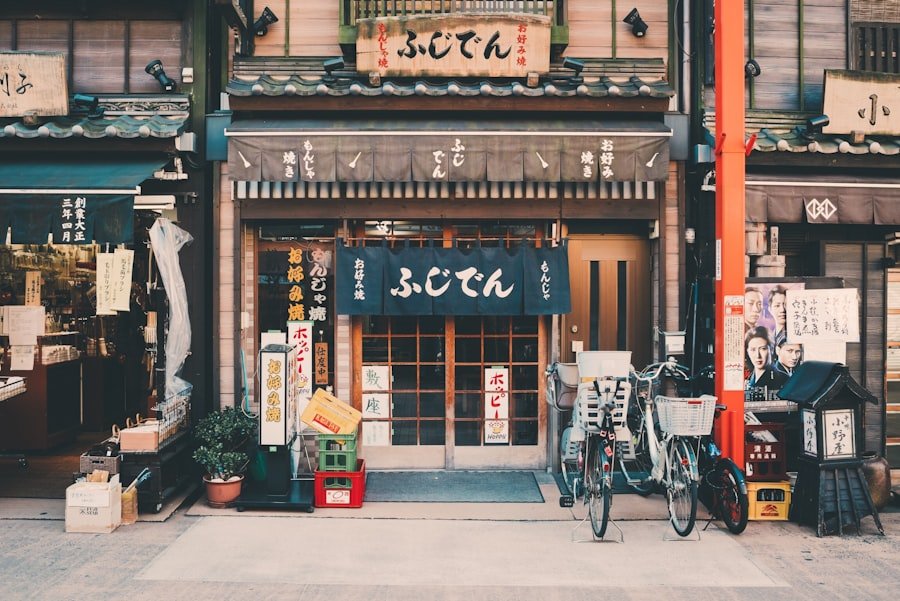
Okinawa, an archipelago located to the south of mainland Japan, boasts a distinct cultural heritage that sets it apart from other regions. Historically part of the Ryukyu Kingdom, Okinawa developed its own language, customs, and artistic traditions that reflect a blend of indigenous influences and external interactions with neighboring countries such as China and Southeast Asia. This unique cultural identity is evident in Okinawa’s traditional music, dance, and crafts.
The Okinawan music genre known as “sanshin” features a three-stringed instrument that produces a melodic sound deeply rooted in local folklore. Festivals such as the Eisa dance festival showcase vibrant performances that celebrate harvests and honor ancestors through rhythmic drumming and lively choreography. Additionally, Okinawa is renowned for its textile arts, particularly bingata—a resist-dyeing technique that produces intricate patterns on fabric.
The island’s cuisine also reflects its cultural diversity, with dishes like Okinawa soba and goya champuru highlighting local ingredients and flavors. As one explores Okinawa’s rich traditions and vibrant community life, it becomes clear that this region embodies a unique blend of history and creativity that continues to thrive.
Tokyo: The Modern and Traditional Fusion
Tokyo stands as a dynamic metropolis where tradition meets modernity in an exhilarating fusion that defines contemporary Japanese culture. As Japan’s capital city, Tokyo is a bustling hub of innovation, technology, and global influence while simultaneously preserving elements of its historical past. Visitors can experience this juxtaposition firsthand by exploring neighborhoods like Asakusa, home to Senso-ji Temple—the oldest temple in Tokyo—alongside modern shopping districts like Akihabara, known for its cutting-edge electronics and otaku culture.
The city’s numerous festivals reflect this blend of old and new; for instance, the Sanja Matsuri held at Asakusa Shrine celebrates Shinto traditions with lively processions featuring portable shrines (mikoshi) while attracting thousands of participants from all walks of life. Tokyo’s culinary scene further exemplifies this fusion; traditional kaiseki dining coexists with international cuisines from around the world. Street food markets offer everything from yakitori skewers to gourmet fusion dishes that cater to diverse palates.
As one navigates through Tokyo’s vibrant neighborhoods—each with its own character—it’s evident that this city thrives on embracing change while honoring its rich heritage.
Kanazawa: The City of Crafts and Traditions
Kanazawa is often referred to as the “City of Crafts” due to its long-standing reputation for traditional arts and crafts that have flourished over centuries. Nestled along the coast of the Sea of Japan, Kanazawa was historically a center for samurai culture during the Edo period. Today, it remains a bastion of craftsmanship where artisans continue to practice age-old techniques passed down through generations.
Notable crafts include gold leaf production—Kanazawa produces over 99% of Japan’s gold leaf—and Kaga Yuzen silk dyeing. Visitors to Kanazawa can immerse themselves in this rich artistic heritage by exploring places like the 21st Century Museum of Contemporary Art or participating in hands-on workshops led by skilled artisans. The Higashi Chaya district offers a glimpse into traditional teahouse culture where visitors can enjoy matcha tea while learning about geisha traditions.
Kanazawa’s Kenrokuen Garden is another highlight; considered one of Japan’s most beautiful gardens, it showcases meticulous landscaping techniques that reflect seasonal changes throughout the year. Through these experiences, Kanazawa invites visitors to appreciate not only its artistic achievements but also the dedication required to preserve these cherished traditions.
Takayama: Preserving the Edo Period Architecture
Takayama is renowned for its well-preserved Edo period architecture that transports visitors back to a time when samurai ruled Japan. Nestled in the mountainous Hida region, Takayama retains much of its historical charm with wooden buildings lining narrow streets reminiscent of centuries past. The Sanmachi Suji district is particularly notable for its traditional merchant houses (kominka) that have been converted into museums or shops showcasing local crafts such as sake brewing.
The Takayama Matsuri festival is one of Japan’s most celebrated festivals held twice a year in spring and autumn; it features ornate floats adorned with intricate carvings that reflect Takayama’s artistic heritage. Visitors can witness these floats being paraded through the streets while enjoying local delicacies such as Hida beef—a regional specialty known for its marbled texture and rich flavor. Takayama’s commitment to preserving its historical architecture while fostering community engagement through festivals exemplifies how this city honors its past while embracing contemporary life.
In exploring these diverse regions—Kyoto’s ancient temples, Nara’s spiritual legacy, Hiroshima’s resilience, Okinawa’s unique culture, Tokyo’s modernity fused with tradition, Kanazawa’s craftsmanship, and Takayama’s Edo period charm—it becomes evident that Japan’s cultural heritage is not merely a collection of artifacts but rather an evolving narrative shaped by history, community values, and artistic expression. Each location offers insights into how Japan navigates its identity amidst change while remaining deeply connected to its roots.
FAQs
What are some of the top places to visit in Japan for experiencing culture and tradition?
Some of the top places include Kyoto, Nara, Kanazawa, Takayama, Nikko, Kamakura, Hiroshima, and the traditional villages of Shirakawa-go and Gokayama. These locations are known for their historic temples, shrines, traditional architecture, and cultural festivals.
Why is Kyoto considered a cultural hub in Japan?
Kyoto was the imperial capital of Japan for over a thousand years and is home to numerous UNESCO World Heritage Sites, including ancient temples, traditional tea houses, and beautiful gardens. It is renowned for preserving traditional Japanese arts, crafts, and ceremonies.
What traditional experiences can visitors enjoy in Japan?
Visitors can participate in tea ceremonies, wear kimono, attend traditional festivals, visit historic temples and shrines, explore old samurai and geisha districts, and enjoy traditional Japanese cuisine such as kaiseki.
When is the best time to visit Japan for cultural festivals?
Spring (March to May) and autumn (September to November) are ideal times to visit for cultural festivals, including cherry blossom festivals in spring and various harvest and autumn festivals. Specific events vary by region.
Are there any UNESCO World Heritage Sites related to Japanese culture and tradition?
Yes, Japan has several UNESCO World Heritage Sites that highlight its cultural heritage, such as the Historic Monuments of Ancient Kyoto, the Historic Villages of Shirakawa-go and Gokayama, and the Shrines and Temples of Nikko.
How can travelers experience traditional Japanese architecture?
Travelers can visit historic districts in cities like Kyoto and Kanazawa, explore traditional villages like Shirakawa-go, and stay in ryokan (traditional inns) that feature tatami floors, sliding doors, and wooden structures.
Is it easy to access these cultural sites in Japan?
Yes, Japan has an extensive and efficient public transportation system, including trains and buses, that makes it easy to reach most cultural and traditional sites. Some remote villages may require additional travel arrangements.
Do these cultural destinations offer English language support for tourists?
Many popular cultural destinations in Japan provide English signage, brochures, and guided tours. However, in more rural or less touristy areas, English support may be limited, so some basic Japanese phrases or a translation app can be helpful.
Can visitors participate in traditional Japanese crafts or workshops?
Yes, many cultural centers and workshops offer hands-on experiences such as pottery making, calligraphy, kimono dressing, and traditional cooking classes, allowing visitors to engage directly with Japanese culture.
Are there any etiquette tips for visiting traditional sites in Japan?
Visitors should follow local customs such as removing shoes before entering certain buildings, being quiet and respectful in temples and shrines, not taking photos where prohibited, and dressing modestly when visiting religious sites.