Japanese culture is a rich tapestry woven from centuries of history, philosophy, and artistic expression. It is a culture that has evolved through the influences of Shintoism, Buddhism, and Confucianism, creating a unique blend that permeates every aspect of life in Japan. From the intricate rituals of tea ceremonies to the vibrant festivals that celebrate the changing seasons, Japanese traditions are deeply rooted in respect for nature, family, and community.
The concept of “wa,” or harmony, is central to Japanese culture, guiding social interactions and emphasizing the importance of balance in both personal and communal life. The aesthetic principles of simplicity and subtlety are evident in various forms of Japanese art, including calligraphy, pottery, and architecture. The traditional Japanese garden, for instance, is designed to evoke a sense of tranquility and reflection, often incorporating elements such as water, stone, and carefully pruned trees to create a harmonious environment.
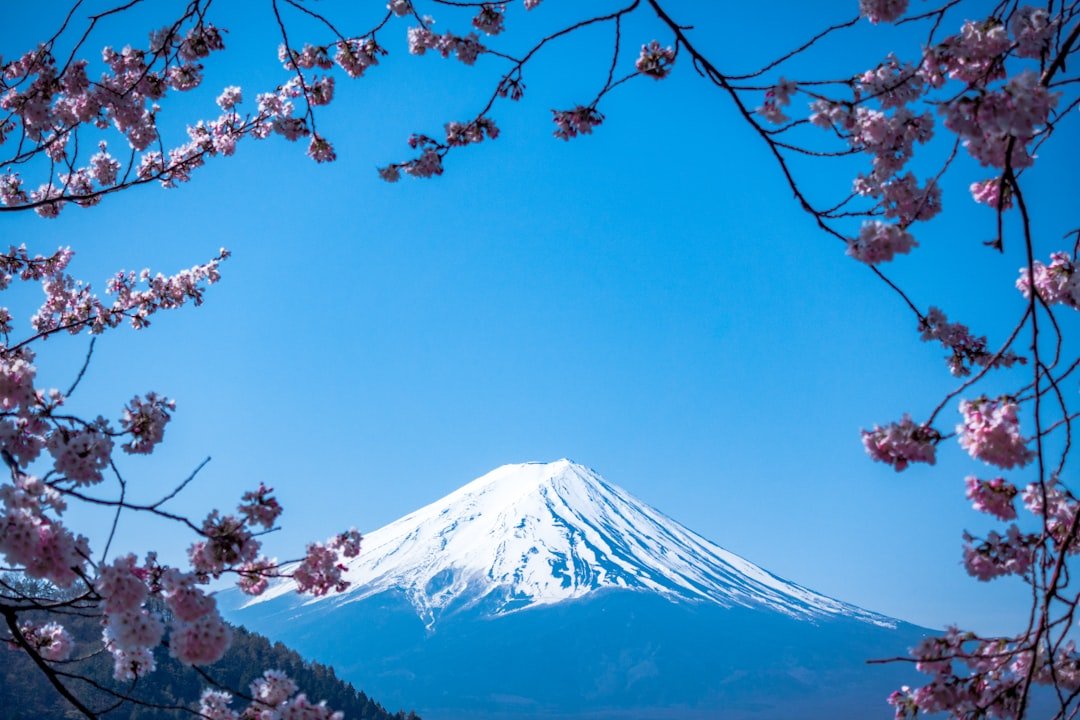
Festivals like Hanami, which celebrates the cherry blossom season, showcase the Japanese appreciation for beauty in transience. This cultural reverence for nature is not merely an artistic choice but a philosophical stance that underscores the impermanence of life itself.
Kyoto: The Heart of Traditional Japan
Kyoto stands as a testament to Japan’s historical legacy, having served as the imperial capital for over a thousand years. The city is renowned for its well-preserved temples, shrines, and traditional wooden houses that line its streets. Among its most famous landmarks is Kinkaku-ji, or the Golden Pavilion, a Zen Buddhist temple covered in gold leaf that reflects beautifully in the surrounding pond.
This iconic structure exemplifies the architectural elegance that characterizes Kyoto’s religious sites. Visitors can also explore Fushimi Inari Taisha, famous for its thousands of vermilion torii gates that wind up the sacred Mount Inari, creating a mesmerizing path through the forest. Beyond its architectural wonders, Kyoto is also a hub for traditional arts and crafts.
The city is known for its kimono weaving, pottery, and tea ceremonies. The art of kintsugi, which involves repairing broken pottery with lacquer mixed with powdered gold, silver, or platinum, originated here and reflects the Japanese philosophy of embracing imperfection. Kyoto’s annual Gion Matsuri festival showcases the city’s vibrant culture through elaborate floats and traditional performances, drawing visitors from around the world to experience its rich heritage firsthand.
Nara: The Ancient Capital and Home of Temples and Shrines
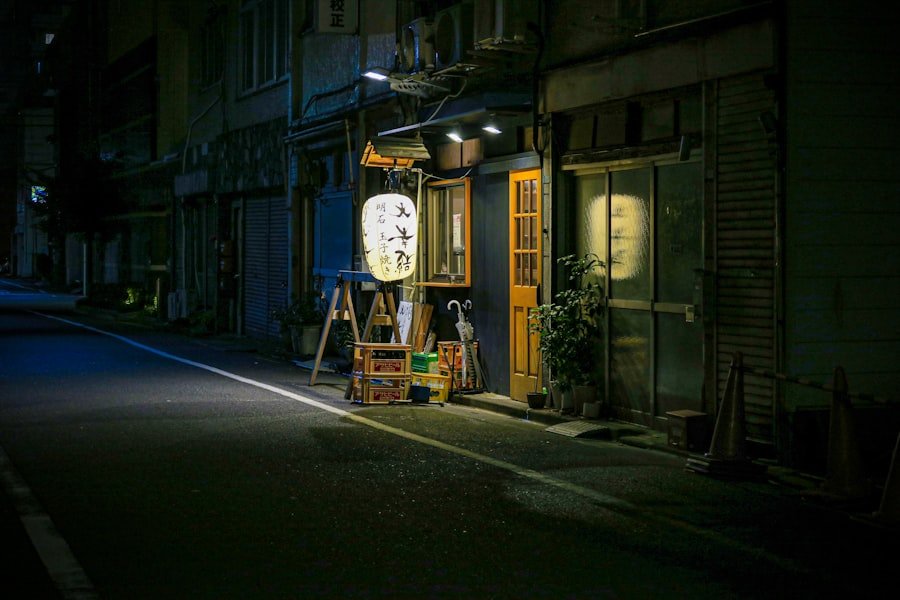
Nara, Japan’s first permanent capital established in 710 AD, is a city steeped in history and spirituality. It is home to some of Japan’s oldest and most significant temples and shrines, including Todai-ji, which houses a colossal bronze statue of Buddha known as Nara’s Great Buddha. This temple not only serves as a religious site but also as an architectural marvel, with its massive wooden structure being one of the largest in the world.
The serene atmosphere surrounding Todai-ji invites contemplation and reflection, making it a must-visit for anyone interested in Japan’s spiritual heritage. Another highlight of Nara is Nara Park, where visitors can interact with freely roaming deer that are considered messengers of the gods in Shinto belief. This unique coexistence between humans and nature adds to the charm of Nara as a cultural destination.
The Kasuga-taisha Shrine, with its hundreds of stone lanterns and beautiful forested surroundings, further exemplifies the city’s spiritual significance. Nara’s rich history is not just confined to its temples; it also boasts ancient artifacts housed in the Nara National Museum, showcasing the evolution of Japanese art and culture over centuries.
Tokyo: A Blend of Modernity and Tradition
Tokyo represents a fascinating juxtaposition of ultramodern skyscrapers and traditional temples. As Japan’s bustling capital, it is a city that never sleeps, characterized by its neon-lit streets and cutting-edge technology. However, amidst this modernity lies a deep respect for tradition.
The historic Senso-ji Temple in Asakusa stands as a prime example of this blend; it is Tokyo’s oldest temple and attracts millions of visitors each year who come to pray and enjoy the vibrant atmosphere of Nakamise Street leading up to it. The city’s neighborhoods each offer unique experiences that reflect both contemporary life and traditional practices. In Harajuku, one can witness youth culture at its most vibrant with fashion trends that push boundaries while nearby Meiji Shrine provides a serene escape into nature and spirituality.
The contrast between the bustling streets filled with trendy shops and cafes and the tranquil paths leading to this Shinto shrine encapsulates Tokyo’s duality. Festivals such as Sanja Matsuri celebrate local traditions with lively parades and rituals that connect residents to their cultural roots amidst the fast-paced urban environment.
Okinawa: Experience Unique Ryukyu Culture
| Rank | Place | Location | Key Cultural Highlights | Best Time to Visit | Annual Visitors (approx.) |
|---|---|---|---|---|---|
| 1 | Kyoto | Kyoto Prefecture | Temples, traditional tea ceremonies, Geisha culture | March to May, October to November | 50 million |
| 2 | Nara | Nara Prefecture | Ancient temples, deer park, traditional festivals | March to May, September to November | 10 million |
| 3 | Kanazawa | Ishikawa Prefecture | Kenrokuen Garden, samurai districts, traditional crafts | April to June, September to November | 3 million |
| 4 | Takayama | Gifu Prefecture | Historic old town, traditional festivals, sake breweries | April, October | 2 million |
| 5 | Hiroshima | Hiroshima Prefecture | Peace Memorial Park, traditional cuisine, historic sites | March to May, September to November | 7 million |
| 6 | Kanagawa (Kamakura) | Kanagawa Prefecture | Ancient temples, Buddha statue, traditional festivals | March to May, October to November | 5 million |
| 7 | Takayama | Gifu Prefecture | Historic old town, traditional festivals, sake breweries | April, October | 2 million |
| 8 | Osaka | Osaka Prefecture | Traditional theaters, street food culture, historic castles | March to May, September to November | 20 million |
| 9 | Takayama | Gifu Prefecture | Historic old town, traditional festivals, sake breweries | April, October | 2 million |
| 10 | Okinawa | Okinawa Prefecture | Ryukyu culture, traditional music, historic castles | March to May, October to November | 8 million |
Okinawa presents a distinct cultural identity within Japan due to its historical ties to the Ryukyu Kingdom. This subtropical paradise is known for its beautiful beaches, vibrant coral reefs, and unique traditions that set it apart from mainland Japan. The Ryukyu culture is characterized by its own language, music, dance forms like Eisa, and culinary specialties such as Okinawa soba and goya champuru.
The island’s history as an independent kingdom until its annexation by Japan in the late 19th century has fostered a sense of pride among Okinawans in their unique heritage. The Okinawa World theme park offers visitors an immersive experience into this rich culture through traditional crafts such as pottery and weaving demonstrations. Additionally, Shurijo Castle, once the royal palace of the Ryukyu Kingdom, stands as a symbol of Okinawa’s historical significance.
Despite being destroyed during World War II, it has been meticulously reconstructed and serves as a reminder of resilience and cultural preservation. Festivals like the Naha Tug-of-War highlight community spirit while showcasing traditional practices that have been passed down through generations.
Hiroshima: A Symbol of Peace and Resilience
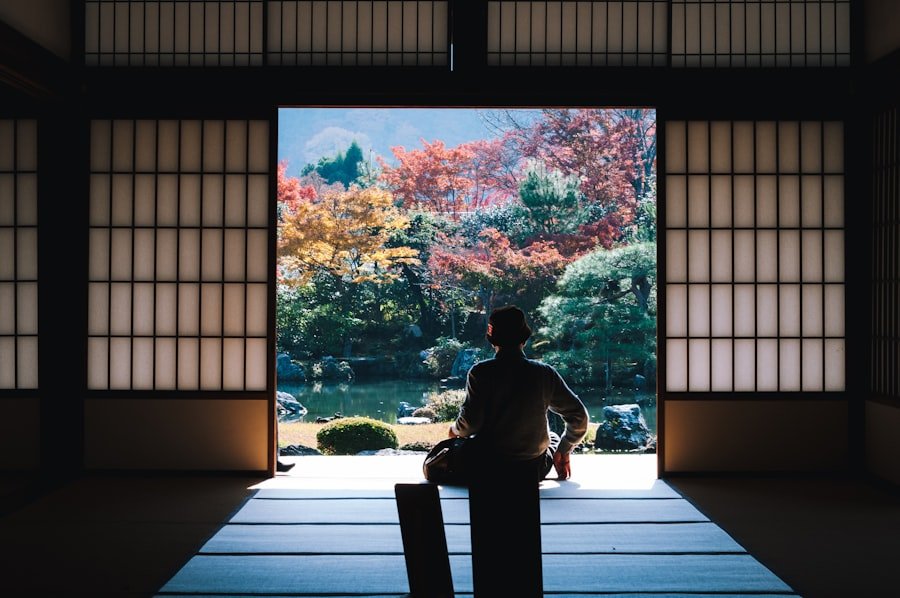
Hiroshima is perhaps best known for its tragic history as the first city to experience an atomic bombing during World War
However, it has transformed into a powerful symbol of peace and resilience over the decades. The Hiroshima Peace Memorial Park serves as a poignant reminder of the past while promoting messages of peace and reconciliation. The park features several monuments dedicated to those who lost their lives in the bombing, including the iconic Atomic Bomb Dome, which remains largely intact as a testament to survival amidst devastation.
The Hiroshima Peace Memorial Museum provides visitors with an in-depth understanding of the events surrounding the bombing and its aftermath through personal stories and artifacts. This educational experience fosters a deep appreciation for peace efforts worldwide. Additionally, Hiroshima has rebuilt itself into a vibrant city known for its culinary delights such as okonomiyaki—a savory pancake filled with various ingredients—and its beautiful landscapes like those found on nearby Miyajima Island with its famous floating torii gate at Itsukushima Shrine.
Kanazawa: A City Rich in Traditional Crafts and Arts
Kanazawa is often overshadowed by more prominent cities like Kyoto or Tokyo but offers an equally rich cultural experience steeped in tradition. Known for its well-preserved samurai districts and geisha quarters, Kanazawa showcases Japan’s artistic heritage through various crafts such as gold leaf production, Kutani pottery, and silk weaving. The 21st Century Museum of Contemporary Art juxtaposes modern art with traditional aesthetics while highlighting Kanazawa’s commitment to preserving its cultural identity.
Kenrokuen Garden is one of Japan’s most celebrated gardens, renowned for its seasonal beauty and meticulous design principles that embody harmony between nature and human creativity. Visitors can stroll through this landscape filled with ponds, streams, and carefully pruned trees while enjoying views of Kanazawa Castle nearby. The city’s annual festivals like Hyakumangoku Matsuri celebrate local traditions with parades featuring elaborate floats that reflect Kanazawa’s historical significance as a center for samurai culture.
Takayama: Explore the Charm of a Historic Mountain Town
Nestled in the Japanese Alps lies Takayama—a picturesque mountain town known for its well-preserved Edo-period architecture and vibrant festivals. The town’s historic district features wooden houses that date back to the 17th century, many of which have been converted into shops offering local crafts such as sake brewing or woodworking demonstrations. Takayama’s morning markets provide an authentic glimpse into local life where vendors sell fresh produce alongside handmade goods.
The Takayama Matsuri festival is one of Japan’s most celebrated events featuring ornate floats adorned with intricate carvings that are paraded through the streets twice a year—once in spring and once in autumn. This festival not only showcases Takayama’s craftsmanship but also fosters community spirit among residents who take pride in their heritage. Surrounded by stunning mountain scenery, Takayama offers visitors an opportunity to experience rural Japan’s charm while immersing themselves in traditions that have stood the test of time.
FAQs
What are some of the top places to visit in Japan for experiencing culture and tradition?
Some of the top places include Kyoto, Nara, Kanazawa, Takayama, and Nikko. These locations are known for their historic temples, traditional architecture, cultural festivals, and preserved old towns.
Why is Kyoto considered a cultural hub in Japan?
Kyoto was the imperial capital of Japan for over a thousand years and is home to numerous UNESCO World Heritage sites, traditional tea houses, geisha districts, and ancient temples, making it a prime destination for cultural and traditional experiences.
What traditional activities can visitors participate in while exploring Japan’s cultural sites?
Visitors can participate in tea ceremonies, kimono wearing, calligraphy classes, traditional festivals, and visits to historic temples and shrines to learn about Japanese customs and heritage.
When is the best time to visit Japan to experience traditional festivals?
Spring (March to May) and autumn (September to November) are ideal times to visit, as many traditional festivals such as cherry blossom festivals and autumn harvest celebrations take place during these seasons.
Are there any specific regions in Japan known for preserving traditional crafts?
Yes, regions like Kanazawa are famous for traditional crafts such as gold leaf production, while Takayama is known for its woodworking and lacquerware. These areas offer workshops and museums dedicated to traditional arts.
Is it necessary to speak Japanese to enjoy cultural sites in Japan?
While knowing some basic Japanese phrases can enhance the experience, many cultural sites provide English signage and guided tours. Additionally, cultural experiences often transcend language barriers through demonstrations and hands-on activities.
Can visitors experience traditional Japanese cuisine in these cultural destinations?
Absolutely. Many cultural destinations offer traditional Japanese cuisine such as kaiseki (multi-course meals), sushi, soba noodles, and regional specialties that reflect the local heritage and seasonal ingredients.
Are there any UNESCO World Heritage sites included in the top cultural places to visit in Japan?
Yes, several sites such as the Historic Monuments of Ancient Kyoto, Nara’s temples, and Nikko’s shrines and temples are UNESCO World Heritage sites recognized for their cultural significance.
What is the significance of visiting shrines and temples in Japan’s cultural tourism?
Shrines and temples are central to Japan’s religious and cultural history. Visiting them offers insight into Shinto and Buddhist practices, traditional architecture, and seasonal festivals that are integral to Japanese culture.
How can travelers respectfully engage with Japanese culture and traditions during their visit?
Travelers should observe local customs such as bowing, removing shoes before entering certain buildings, speaking quietly in sacred spaces, and following etiquette during ceremonies and festivals to show respect for Japanese culture.