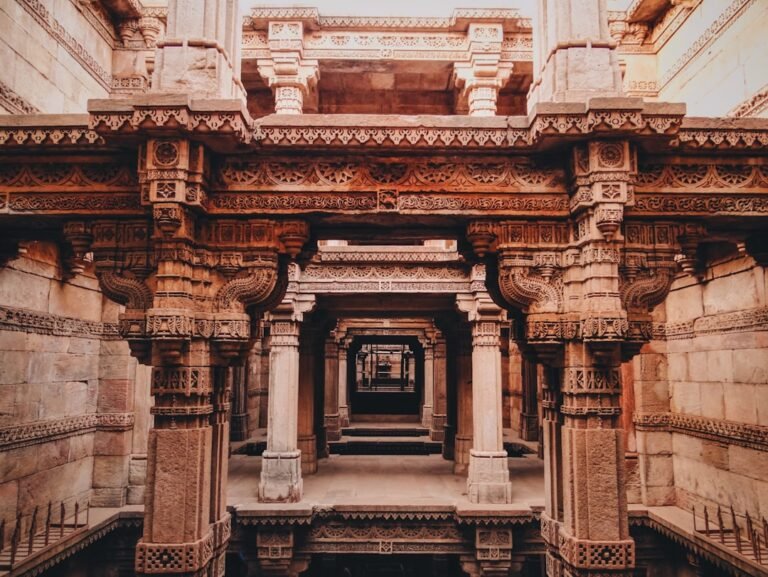
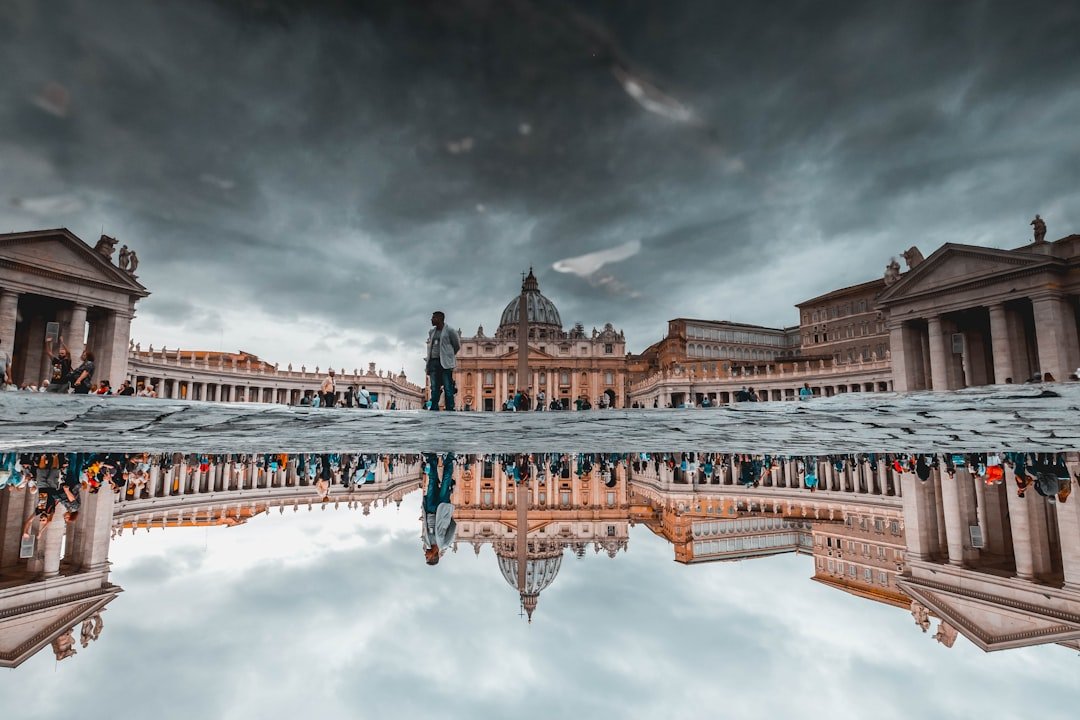
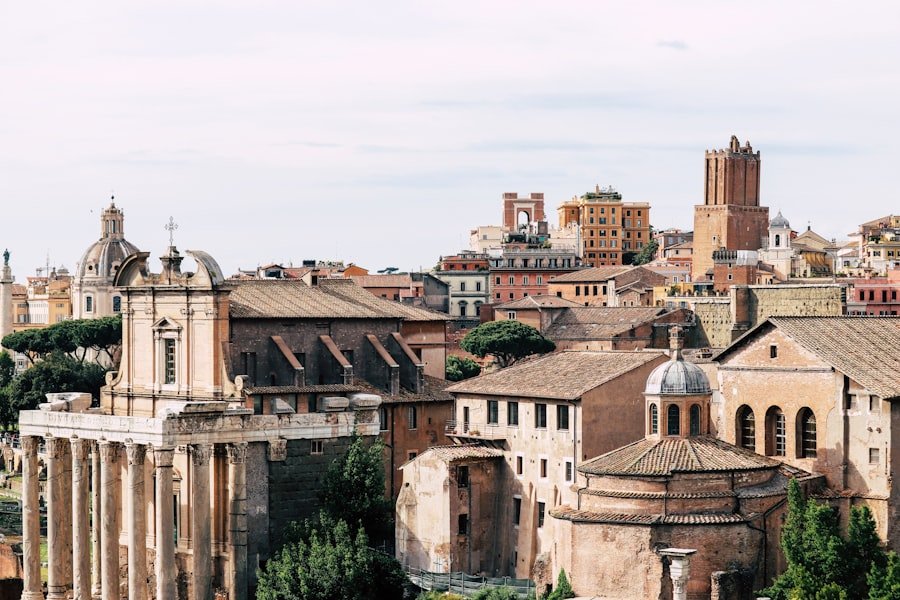
Rome, the Eternal City, stands as a testament to ancient civilization and Western cultural development. Its historical, artistic, and architectural heritage attracts visitors worldwide. The city functions as an open-air museum, with historical elements visible throughout its landscape.
Notable landmarks include the Colosseum, where gladiatorial contests were held, and the Pantheon, featuring a dome that has remained intact for nearly 2,000 years. Within Rome lies Vatican City, a sovereign city-state that serves as the headquarters of the Roman Catholic Church. This enclave houses significant religious artifacts and artistic treasures.
The Sistine Chapel contains Michelangelo’s renowned frescoes, including “The Creation of Adam,” attracting religious pilgrims and art enthusiasts. The combination of ancient Roman structures alongside Renaissance art creates Rome’s distinctive character, a city where historical periods visibly converge.
Florence: The Birthplace of the Renaissance
Florence stands as a beacon of artistic innovation and intellectual achievement, often hailed as the birthplace of the Renaissance. This city was the cradle of some of the most influential artists, thinkers, and writers in history. The Medici family, patrons of the arts, played a pivotal role in fostering an environment where creativity could flourish.
The Uffizi Gallery, one of the most renowned art museums in the world, showcases masterpieces by Botticelli, Michelangelo, and Leonardo da Vinci, allowing visitors to immerse themselves in the artistic revolution that defined this era. The architectural splendor of Florence is equally remarkable. The Florence Cathedral, with its iconic dome designed by Filippo Brunelleschi, dominates the skyline and serves as a symbol of the city’s ingenuity.
The intricate façade and stunning interior are a testament to the skill and vision of Renaissance architects. Walking through the historic center of Florence feels like stepping back in time; cobblestone streets lead to charming piazzas where locals gather, and every building tells a story of artistic brilliance and cultural significance. The city’s commitment to preserving its heritage while embracing modernity makes it a dynamic destination for travelers seeking both beauty and inspiration.
Venice: The City of Canals and Gothic Architecture
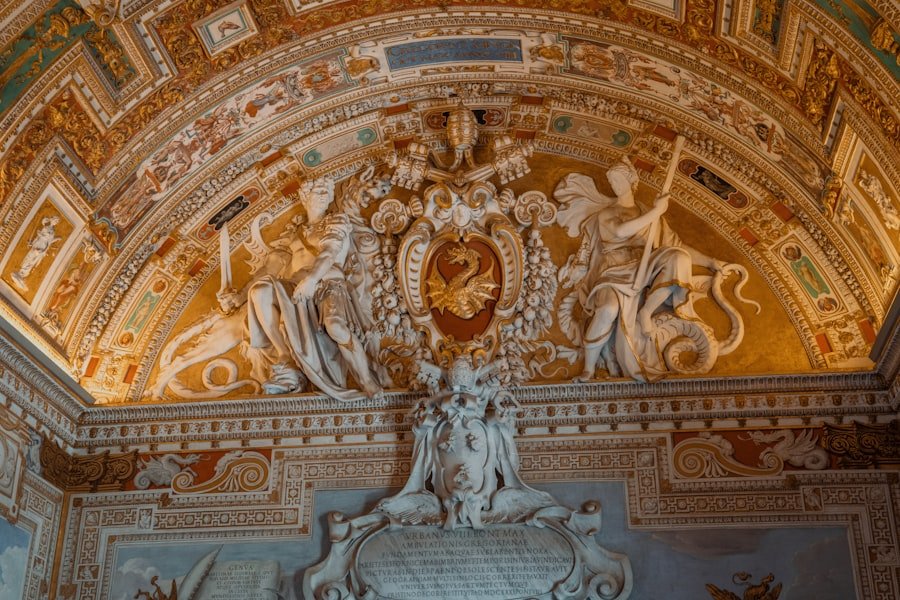
Venice is a city like no other, characterized by its intricate network of canals and stunning Gothic architecture. Often referred to as the “City of Canals,” Venice is built on a series of islands connected by bridges and waterways. The Grand Canal, lined with opulent palaces and bustling markets, serves as the main thoroughfare, where gondolas glide gracefully through the water.
This unique mode of transportation not only adds to the charm of Venice but also offers a glimpse into its rich maritime history. The architectural landscape of Venice is a harmonious blend of styles, with Gothic influences prominently featured in its iconic structures. The Doge’s Palace, with its ornate façade and intricate details, exemplifies Venetian Gothic architecture at its finest.
St. Mark’s Basilica, adorned with golden mosaics and Byzantine influences, stands as a testament to the city’s historical ties to trade and cultural exchange. As visitors wander through the narrow alleyways and picturesque squares, they are enveloped in an atmosphere that feels both timeless and enchanting.
Venice’s ability to maintain its unique character amidst modern challenges makes it a captivating destination for those seeking to experience a city steeped in history.
Pompeii: A Glimpse into Ancient Roman Life
Pompeii offers an unparalleled opportunity to step back in time and witness life in ancient Rome before the catastrophic eruption of Mount Vesuvius in 79 AD buried the city under layers of ash and pumice. The remarkably preserved ruins provide insight into daily life during this period, showcasing everything from residential homes to public baths and bustling marketplaces. Walking through the streets of Pompeii feels like traversing a time capsule; frescoes still adorn walls, and artifacts remain in situ, allowing visitors to visualize the vibrancy of Roman life.
The Forum serves as the heart of Pompeii, where citizens gathered for social, political, and religious activities. Surrounding this central square are temples dedicated to various deities, as well as shops that once buzzed with commerce. The amphitheater stands as a testament to Roman entertainment culture, where gladiatorial games captivated audiences.
The preservation of Pompeii has provided invaluable insights into Roman architecture, urban planning, and social dynamics. It serves not only as an archaeological site but also as a poignant reminder of nature’s power and humanity’s fragility.
Milan: A Mix of Modernity and History
| City | Region | Famous Historical Sites | Founded | Notable Historical Era | Annual Visitors (Millions) |
|---|---|---|---|---|---|
| Rome | Lazio | Colosseum, Roman Forum, Pantheon, Vatican City | 753 BC | Roman Empire | 9.5 |
| Florence | Tuscany | Cathedral of Santa Maria del Fiore, Uffizi Gallery, Ponte Vecchio | 59 BC | Renaissance | 4.5 |
| Venice | Veneto | St. Mark’s Basilica, Doge’s Palace, Grand Canal | 5th Century | Medieval Republic | 5.0 |
| Pompeii | Campania | Ancient Roman Ruins, Amphitheater, Villa of the Mysteries | 7th-6th Century BC | Roman Republic | 2.5 |
| Siena | Tuscany | Piazza del Campo, Siena Cathedral, Palazzo Pubblico | 4th Century BC | Medieval Period | 1.2 |
Milan is often regarded as Italy’s fashion capital, but it is also a city rich in history and cultural heritage. This dynamic metropolis seamlessly blends modernity with historical significance. The iconic Duomo di Milano, a stunning Gothic cathedral that took nearly six centuries to complete, stands at the heart of the city.
Its intricate façade and towering spires draw visitors from around the globe who come to admire its architectural grandeur and panoramic views from the rooftop. Beyond its architectural marvels, Milan is also home to world-class museums and galleries that celebrate both contemporary art and historical masterpieces. The Pinacoteca di Brera houses an impressive collection of Italian Renaissance art, featuring works by Caravaggio and Raphael.
Meanwhile, modern art enthusiasts can explore contemporary exhibitions at institutions like Fondazione Prada. Milan’s vibrant cultural scene extends beyond art; it hosts events such as Milan Fashion Week and Design Week, attracting creatives from various fields. This fusion of history and innovation makes Milan a captivating destination for those seeking to experience Italy’s diverse cultural landscape.
Verona: The Setting of Shakespeare’s Romeo and Juliet
Verona is often romanticized as the setting for Shakespeare’s timeless tale of love and tragedy in “Romeo and Juliet.” This enchanting city captures the essence of romance with its charming streets, historic architecture, and vibrant atmosphere. Visitors flock to Juliet’s House, where they can see the famous balcony that inspired countless interpretations of Shakespeare’s work. The statue of Juliet stands nearby, inviting admirers to touch her breast for good luck—a tradition that has become part of Verona’s allure.
Beyond its literary connections, Verona boasts a rich history that dates back to Roman times. The well-preserved Arena di Verona is one of the largest ancient amphitheaters still in use today, hosting opera performances that draw audiences from around the world. Wandering through Verona’s historic center reveals stunning piazzas adorned with medieval buildings and lively markets filled with local delicacies.
The city’s blend of romance and history creates an enchanting atmosphere that resonates with visitors seeking both cultural enrichment and heartfelt experiences.
Naples: A City Rich in History and Culture
Naples is a city that pulsates with life, characterized by its vibrant streets, rich culinary traditions, and deep historical roots. As one of Italy’s oldest cities, Naples boasts a heritage that spans millennia. Its historic center is a UNESCO World Heritage site filled with narrow alleys lined with shops selling everything from handmade pasta to intricate ceramics.
The bustling atmosphere reflects the city’s lively spirit; street vendors call out their wares while locals engage in animated conversations over espresso. The culinary scene in Naples is particularly noteworthy; it is widely regarded as the birthplace of pizza. The iconic Neapolitan pizza features a thin crust topped with San Marzano tomatoes, fresh mozzarella di bufala, basil, and a drizzle of olive oil—simple yet exquisite flavors that have garnered international acclaim.
Beyond pizza, Naples offers a diverse array of dishes influenced by its coastal location and rich agricultural surroundings. Visitors can explore local markets or dine at traditional trattorias to savor authentic Neapolitan cuisine.
Turin: The First Capital of Italy
Turin holds a significant place in Italian history as the first capital of unified Italy from 1861 until 1865. This elegant city is known for its baroque architecture, grand boulevards, and rich cultural heritage. The Mole Antonelliana, an iconic symbol of Turin, originally intended as a synagogue, now houses the National Museum of Cinema—a testament to Italy’s cinematic legacy.
Visitors can ascend to its panoramic terrace for breathtaking views of the Alps that frame this historic city. Turin’s commitment to preserving its history while embracing modernity is evident in its vibrant cultural scene. The city hosts numerous festivals celebrating art, music, and cinema throughout the year.
Its museums showcase everything from ancient artifacts to contemporary art installations. Additionally, Turin is renowned for its chocolate production; visitors can indulge in traditional gianduiotto or explore historic cafés that have been serving delectable treats for generations. This blend of historical significance and contemporary vibrancy makes Turin an intriguing destination for those seeking to explore Italy’s multifaceted identity.
FAQs
What are some of the top historical cities to explore in Italy?
Some of the top historical cities to explore in Italy include Rome, Florence, Venice, Naples, and Siena. Each city offers a unique glimpse into Italy’s rich cultural and architectural heritage.
Why is Rome considered a significant historical city in Italy?
Rome is significant due to its ancient ruins such as the Colosseum, Roman Forum, and Pantheon, as well as its role as the center of the Roman Empire and the location of Vatican City.
What makes Florence a notable historical destination?
Florence is renowned for its Renaissance art and architecture, including landmarks like the Duomo, Uffizi Gallery, and Ponte Vecchio, making it a key city for art and history enthusiasts.
What historical attractions can be found in Venice?
Venice is famous for its canals, St. Mark’s Basilica, Doge’s Palace, and its unique history as a powerful maritime republic during the Middle Ages and Renaissance.
Is Naples important for historical exploration in Italy?
Yes, Naples offers access to ancient sites such as Pompeii and Herculaneum, as well as its own historic center, which is a UNESCO World Heritage Site.
What historical significance does Siena hold?
Siena is known for its medieval cityscape, the Piazza del Campo, and the Palio horse race, reflecting its rich history as a powerful city-state during the Middle Ages.
Are these historical cities easily accessible for tourists?
Yes, these cities are well-connected by Italy’s extensive train network and have numerous accommodations and guided tours available for visitors.
When is the best time to visit Italy’s historical cities?
The best time to visit is during the spring (April to June) and fall (September to October) when the weather is mild and tourist crowds are smaller.
Do these cities offer guided tours focused on history?
Yes, most historical cities in Italy offer a variety of guided tours, including walking tours, museum visits, and specialized historical tours led by expert guides.
Are there any UNESCO World Heritage Sites among these cities?
Yes, several cities like Rome, Florence, Venice, and Siena have areas designated as UNESCO World Heritage Sites due to their cultural and historical importance.