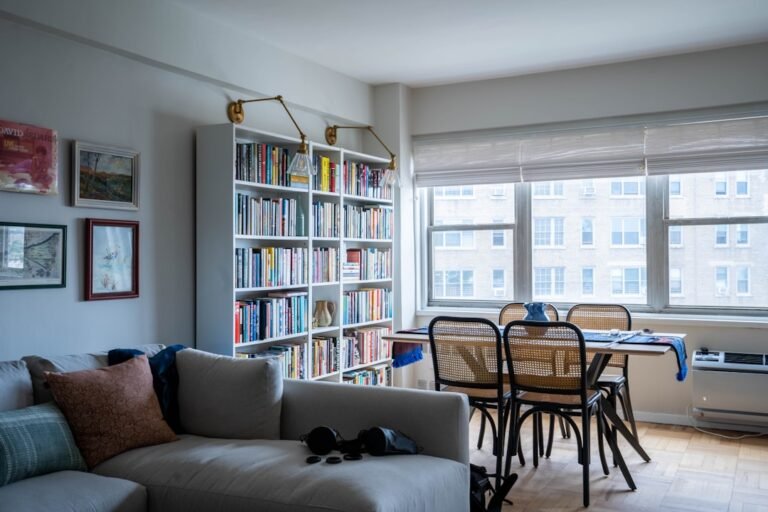
Selecting the ideal location for your workspace is a critical first step in creating an environment conducive to productivity and focus. The choice of location can significantly influence your work habits, creativity, and overall job satisfaction. Ideally, the workspace should be situated in a quiet area of your home or office, away from the hustle and bustle of daily life.
This could mean converting a spare room into an office, utilizing a corner of your living room, or even setting up a dedicated space in your garage or basement. The key is to find a spot that minimizes interruptions and allows you to concentrate fully on your tasks. Natural light plays a vital role in enhancing mood and productivity, so consider positioning your workspace near a window if possible.
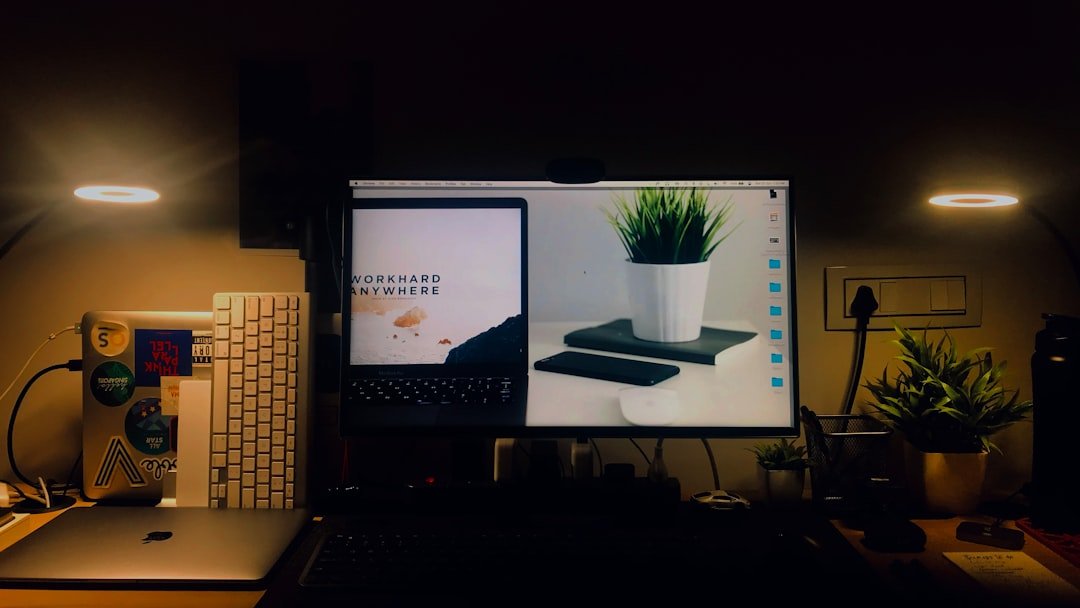
Exposure to daylight can help regulate your circadian rhythms, leading to better sleep patterns and increased energy levels during the day. If a window is not an option, investing in good quality artificial lighting that mimics natural light can also be beneficial. Additionally, consider the proximity to essential resources such as printers, office supplies, and even kitchen facilities.
A well-thought-out location can streamline your workflow and reduce unnecessary disruptions.
Setting Up the Essential Equipment
Once you have chosen the right location, the next step is to equip your workspace with the essential tools and technology that will facilitate your work. Depending on your profession, this may include a reliable computer or laptop, high-speed internet connection, and any specialized software or applications necessary for your tasks. For instance, graphic designers might require advanced design software like Adobe Creative Suite, while writers may benefit from distraction-free writing tools such as Scrivener or Ulysses.
In addition to technology, consider investing in ergonomic equipment that promotes comfort and efficiency. A high-quality chair that supports good posture is crucial for long hours of work. An adjustable desk can also be a valuable addition, allowing you to alternate between sitting and standing throughout the day.
Furthermore, accessories such as a good keyboard and mouse can enhance your typing experience and reduce strain on your wrists. By ensuring that you have the right equipment at your disposal, you set yourself up for success and minimize potential frustrations that could hinder your productivity.
Organizing Your Workspace
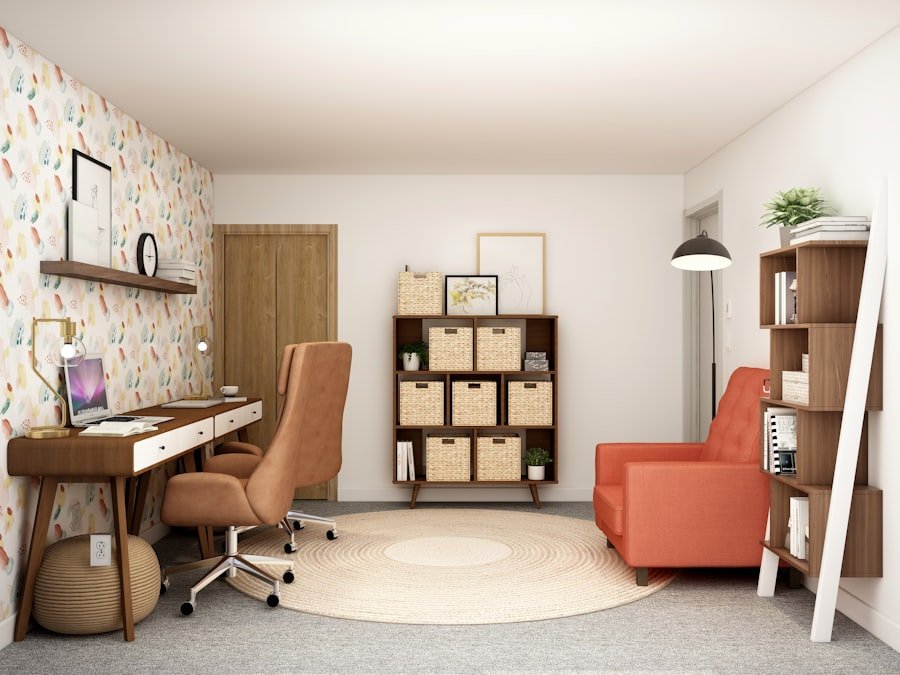
An organized workspace is essential for maintaining focus and efficiency. Clutter can lead to distractions and make it difficult to locate important documents or tools when needed. Start by decluttering your desk and removing any items that do not serve a purpose in your daily work routine.
This includes old papers, unused office supplies, or personal items that may divert your attention. Once you have cleared the space, implement an organizational system that works for you. Consider using storage solutions such as filing cabinets, shelves, or desk organizers to keep everything in its designated place.
Labeling files and folders can also help streamline the process of finding documents quickly. Digital organization is equally important; ensure that your computer files are neatly categorized into folders for easy access. Regularly scheduled clean-up sessions can help maintain this organization over time.
By creating a tidy workspace, you foster an environment where creativity can flourish and productivity can thrive.
Minimizing Distractions
In today’s fast-paced world, distractions are everywhere, making it essential to develop strategies to minimize them in your workspace. One effective approach is to identify specific distractions that affect you personally—this could range from noisy neighbors to social media notifications. Once you have pinpointed these distractions, you can take proactive steps to mitigate their impact.
For example, if noise is an issue, consider using noise-canceling headphones or playing soft background music to drown out disruptive sounds. Another strategy involves setting boundaries with those around you. Communicate with family members or roommates about your work hours and the importance of minimizing interruptions during those times.
Establishing a “do not disturb” signal can also be helpful; this could be as simple as placing a sign on your door or wearing headphones to indicate that you are focused on work. Additionally, consider using apps designed to block distracting websites during work hours, allowing you to maintain concentration on your tasks without succumbing to the temptation of browsing social media or other non-work-related sites.
Establishing a Routine
| Aspect | Recommendation | Metric/Measurement | Benefit |
|---|---|---|---|
| Desk Space | Use a desk with at least 48 inches width | 48 inches (122 cm) wide | Provides enough room for computer, documents, and accessories |
| Chair Ergonomics | Adjustable chair with lumbar support | Seat height adjustable from 16-21 inches | Reduces back strain and improves posture |
| Lighting | Use natural light supplemented with adjustable desk lamp | 500-1000 lux at work surface | Reduces eye strain and improves focus |
| Monitor Position | Place monitor at eye level, about 20-30 inches away | 20-30 inches (50-75 cm) distance, top of screen at eye level | Prevents neck strain and eye fatigue |
| Noise Control | Use noise-cancelling headphones or soundproofing | Reduce ambient noise to below 50 dB | Improves concentration and reduces distractions |
| Organization | Use storage solutions like shelves and drawers | At least 2 storage units within arm’s reach | Keeps workspace clutter-free and efficient |
| Internet Connectivity | Ensure stable and fast internet connection | Minimum 25 Mbps download speed | Supports smooth video calls and online work |
| Temperature | Maintain comfortable room temperature | 68-72°F (20-22°C) | Enhances comfort and productivity |
Creating a consistent daily routine is vital for enhancing productivity and establishing a sense of normalcy in your work life. A well-structured routine helps signal to your brain when it’s time to work and when it’s time to relax. Start by determining your most productive hours—some individuals may find they work best in the morning, while others may be night owls who thrive later in the day.
Once you identify these peak times, structure your work schedule around them. Incorporate regular breaks into your routine to prevent burnout and maintain focus throughout the day. Techniques such as the Pomodoro Technique—working for 25 minutes followed by a 5-minute break—can help sustain energy levels and improve concentration.
Additionally, consider setting specific goals for each work session; having clear objectives can provide motivation and a sense of accomplishment as you check tasks off your list. By adhering to a routine that aligns with your natural rhythms and preferences, you create an environment where productivity can flourish.
Incorporating Comfort and Ergonomics
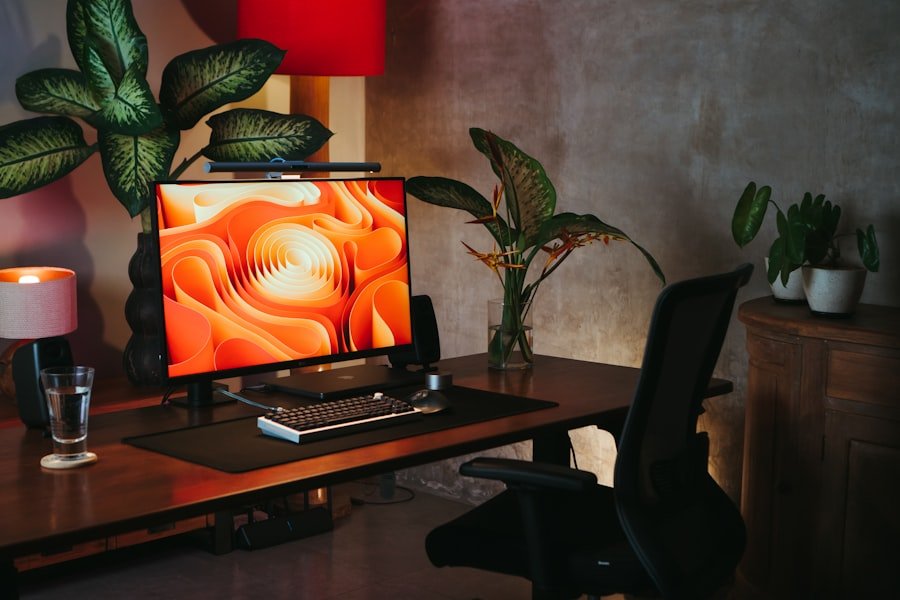
Comfort is paramount when it comes to creating an effective workspace, especially if you spend long hours working at a desk. Ergonomics—the study of how people interact with their environment—plays a crucial role in ensuring that your workspace promotes health and well-being. Start by evaluating your chair; it should provide adequate lumbar support and allow for adjustments in height and tilt to accommodate your body type.
Your desk setup is equally important; ensure that your computer screen is at eye level to prevent neck strain and that your keyboard is positioned so that your wrists remain straight while typing. Footrests can also enhance comfort by promoting better posture and circulation during extended periods of sitting. Additionally, consider incorporating elements such as plants or artwork into your workspace; these personal touches can create a more inviting atmosphere while also contributing positively to your mental well-being.
Personalizing Your Workspace
Personalization is an often-overlooked aspect of creating an effective workspace but can significantly impact motivation and satisfaction levels. Infusing your personality into your environment can make it feel more inviting and inspire creativity. Start by adding decorative elements that resonate with you—this could include artwork, photographs of loved ones, or motivational quotes that inspire you during challenging tasks.
Incorporating elements that reflect your interests can also enhance the overall ambiance of your workspace. For instance, if you are passionate about nature, consider adding plants or nature-themed decor to create a calming atmosphere. Alternatively, if you are an avid reader, displaying books or literary quotes can serve as both decoration and inspiration.
Personalizing your workspace not only makes it more enjoyable but also fosters a sense of ownership over your work environment.
Maintaining a Healthy Work-Life Balance
Achieving a healthy work-life balance is essential for long-term success and well-being in any professional setting. The lines between work and personal life can easily blur, especially when working from home; therefore, establishing clear boundaries is crucial. One effective strategy is to designate specific work hours and stick to them diligently.
Communicate these hours with colleagues and family members so they understand when you are available for work-related matters. In addition to setting boundaries around work hours, prioritize self-care activities outside of work time. Engaging in hobbies, exercising regularly, or spending quality time with family and friends can help recharge your mental batteries and reduce stress levels.
Consider implementing rituals that signal the end of the workday—this could be as simple as shutting down your computer or taking a short walk outside. By consciously separating work from personal time, you cultivate a healthier balance that enhances both productivity during work hours and enjoyment during leisure time.
FAQs
What are the essential elements of a functional home workspace?
A functional home workspace typically includes a comfortable chair, a suitable desk, adequate lighting, necessary technology (such as a computer and reliable internet), and organizational tools like shelves or drawers to keep supplies tidy.
How can I choose the best location for my home workspace?
Select a quiet area with minimal distractions, good natural light if possible, and enough space to accommodate your work materials. Ideally, it should be separate from high-traffic or noisy areas to help maintain focus.
What type of lighting is best for a home office?
Natural light is ideal, but if that’s not available, use bright, adjustable artificial lighting that reduces glare and eye strain. A combination of overhead lighting and a desk lamp is often effective.
How important is ergonomics in a home workspace?
Ergonomics is very important to prevent discomfort and injury. Use an adjustable chair that supports your back, position your monitor at eye level, and keep your keyboard and mouse at a comfortable height to maintain good posture.
How can I minimize distractions in my home workspace?
Set clear boundaries with family or housemates, use noise-cancelling headphones if needed, keep your workspace organized, and consider using apps or tools that block distracting websites during work hours.
What are some tips for organizing a home workspace?
Use storage solutions like shelves, drawers, and organizers to keep supplies in order. Keep only essential items on your desk, regularly declutter, and create a filing system for documents to maintain a tidy environment.
Do I need special technology for a home workspace?
Basic technology includes a reliable computer or laptop, high-speed internet, and necessary software for your work. Depending on your job, you might also need peripherals like a printer, scanner, or external monitor.
How can I maintain work-life balance when working from a home workspace?
Establish a routine with set working hours, take regular breaks, and avoid working in areas associated with relaxation, like your bed. Clearly separate your workspace from your living space to help mentally switch between work and personal time.
About the Author