
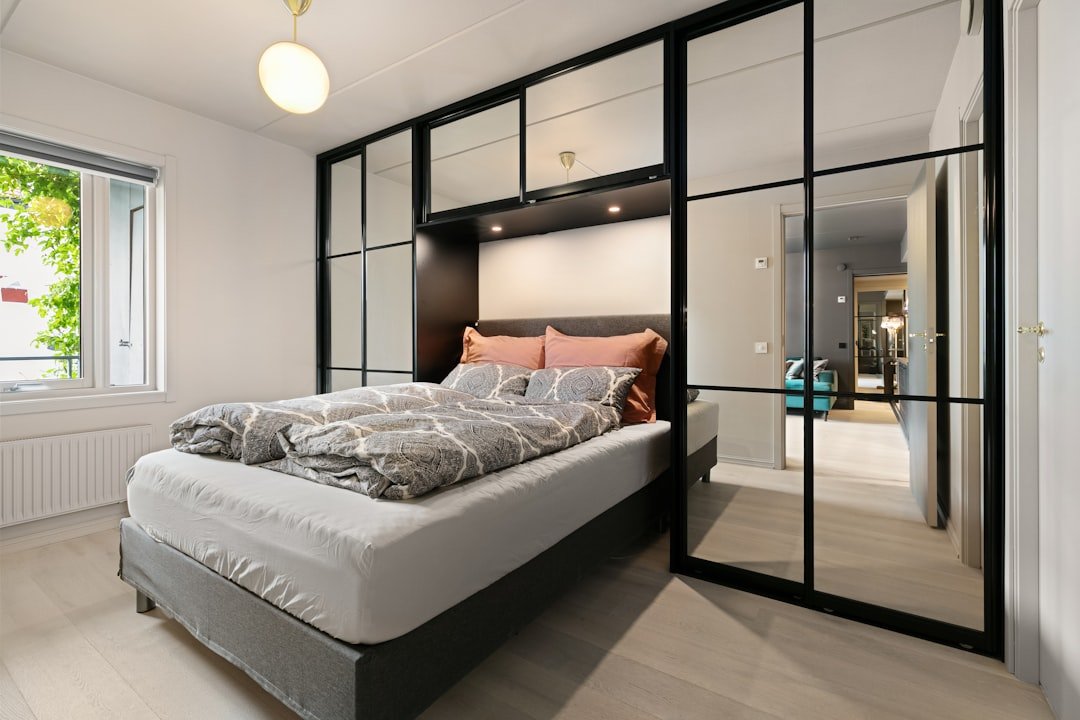
The color scheme of a room significantly influences its atmosphere and psychological impact on occupants. Research in environmental psychology demonstrates that colors produce measurable effects on human behavior and emotions. Cool colors such as blue and green activate the parasympathetic nervous system, promoting relaxation and reducing stress levels, making them appropriate for bedrooms and study areas.
Warm colors including red and yellow stimulate the sympathetic nervous system, increasing alertness and energy, which benefits high-activity spaces like kitchens and exercise rooms. Strategic color selection creates visual continuity throughout a home while supporting the intended function of each space. Color choices directly affect spatial perception through their interaction with light.
Light colors reflect approximately 60-90% of available light, creating an expansive visual effect that increases perceived room size. This principle proves particularly valuable in spaces under 150 square feet. Dark colors absorb 80-90% of light, reducing perceived dimensions while creating intimate environments suitable for larger rooms exceeding 200 square feet.
Neutral tones such as cream reflect 70-80% of light, while deep colors like navy blue reflect only 10-15%. Color relationships follow established principles from color theory. Complementary colors positioned opposite each other on the color wheel create balanced visual tension.
Analogous colors sharing common undertones produce harmonious combinations. Monochromatic schemes using varying saturations of a single hue generate sophisticated, cohesive appearances. The 60-30-10 rule provides a practical framework: 60% dominant color, 30% secondary color, and 10% accent color for optimal visual balance.
Selecting the Proper Furniture
The selection of furniture is crucial in defining the functionality and style of a room. When choosing pieces, it is important to consider not only aesthetics but also comfort and practicality. For instance, in a living room, opting for a sectional sofa can provide ample seating for gatherings while also maximizing space efficiency.
Additionally, selecting furniture that serves multiple purposes, such as an ottoman that doubles as storage or a coffee table with built-in shelves, can enhance the utility of a room without overcrowding it. Moreover, the scale of furniture should be proportionate to the size of the room. Oversized furniture in a small space can make it feel cramped and uninviting, while too-small pieces in a large area may lead to a disjointed appearance.
It is essential to measure the dimensions of both the furniture and the room before making any purchases. Furthermore, considering the flow of movement within the space is vital; ensuring that there is enough room to navigate comfortably will enhance the overall functionality of the area. The style of furniture should also align with the desired aesthetic; whether opting for modern minimalist designs or classic vintage pieces, consistency in style will contribute to a harmonious environment.
Maximizing Storage Space
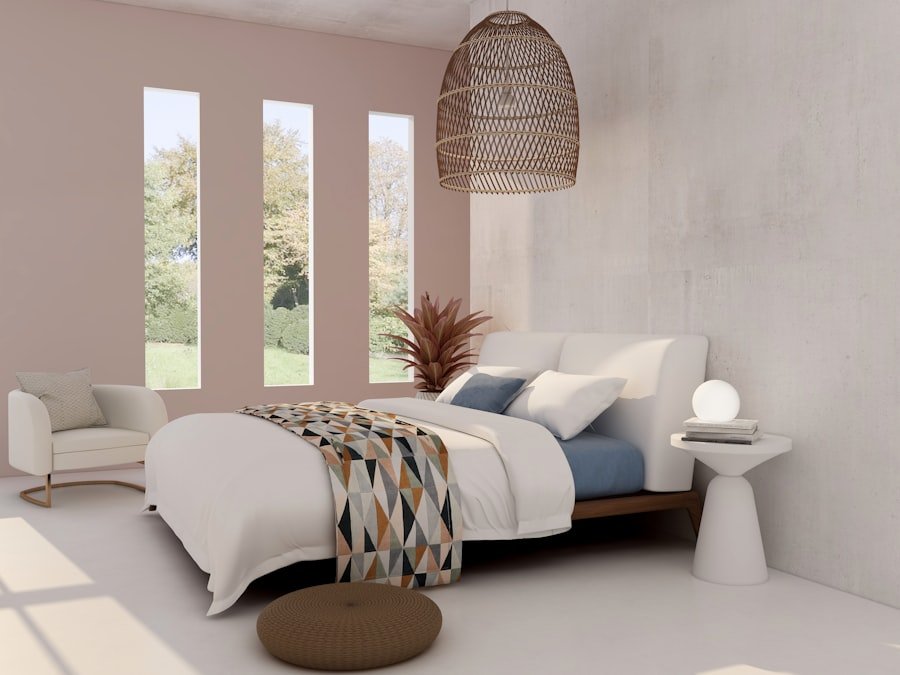
In any home, effective storage solutions are essential for maintaining organization and reducing clutter. One innovative approach to maximizing storage space is to utilize vertical areas. Installing shelves that reach up to the ceiling not only draws the eye upward, creating an illusion of height but also provides ample space for books, decorative items, or even plants.
Floating shelves can be particularly effective in smaller rooms where floor space is limited; they offer a stylish way to display personal items while keeping surfaces clear. Another strategy involves incorporating multifunctional furniture that includes built-in storage options. Beds with drawers underneath or benches with hidden compartments can significantly increase storage capacity without sacrificing style.
In addition, utilizing decorative baskets or boxes on shelves can help keep items organized while adding texture and visual interest to the decor. It’s also beneficial to assess what items are essential and what can be stored away or donated; this decluttering process not only frees up space but also creates a more serene environment.
Incorporating Soft Textiles and Bedding
Textiles play an integral role in creating warmth and comfort within a space. The choice of fabrics can significantly influence both the tactile experience and visual appeal of a room. For instance, layering different textures—such as combining soft cotton sheets with plush velvet throw pillows—can create an inviting atmosphere that encourages relaxation.
In bedrooms, investing in high-quality bedding is essential; luxurious materials like Egyptian cotton or linen not only feel great against the skin but also enhance the overall aesthetic of the room. In addition to bedding, incorporating soft textiles throughout other areas of the home can contribute to a cohesive design. Area rugs can define spaces within an open floor plan while adding warmth underfoot; selecting rugs with varying textures can create depth and interest.
Curtains made from light-filtering fabrics can soften harsh sunlight while providing privacy; choosing colors that complement the overall color scheme will tie the room together seamlessly. Throw blankets draped over sofas or chairs not only add comfort but also serve as decorative elements that invite coziness into any space.
Adding Warm Lighting
| Aspect | Recommendation | Purpose | Example Metrics |
|---|---|---|---|
| Lighting | Use layered lighting: ambient, task, and accent | Enhances mood and functionality | Ambient: 150-300 lux; Task: 500 lux |
| Color Scheme | Choose warm, soft colors like beige, soft gray, or pastel tones | Creates a cozy and relaxing atmosphere | Color temperature: 2700K-3000K for warm light |
| Furniture Layout | Arrange bed as focal point with clear pathways | Maximizes space and ease of movement | Minimum 24 inches clearance around bed |
| Storage Solutions | Incorporate under-bed storage and multi-functional furniture | Reduces clutter and improves organization | At least 20% of room area dedicated to storage |
| Textiles | Use soft bedding, rugs, and curtains | Adds warmth and comfort | Rug size: at least 8×10 feet for queen bed |
| Ventilation | Ensure good airflow with windows or air purifiers | Improves air quality and comfort | Air changes per hour (ACH): 4-6 recommended |
| Personal Touches | Add artwork, plants, or personal items | Makes space inviting and unique | At least 2-3 personal decor items |
Lighting is one of the most critical aspects of interior design, as it has the power to transform a space dramatically. Warm lighting creates an inviting ambiance that encourages relaxation and comfort. When selecting light fixtures, consider using dimmable options that allow for flexibility in brightness depending on the time of day or activity taking place.
For instance, soft pendant lights over dining areas can create an intimate setting for meals, while adjustable floor lamps in reading corners provide focused light for activities like reading or crafting. Incorporating multiple layers of lighting is essential for achieving a well-lit environment that feels both functional and cozy. Combining ambient lighting—such as ceiling fixtures—with task lighting like desk lamps and accent lighting from wall sconces creates depth and dimension within a room.
Additionally, using warm-toned bulbs rather than harsh white lights can enhance the overall warmth of a space; LED bulbs are available in various color temperatures that mimic natural light while providing energy efficiency. Strategically placing mirrors near light sources can also amplify brightness by reflecting light throughout the room.
Personalizing with Decor and Art
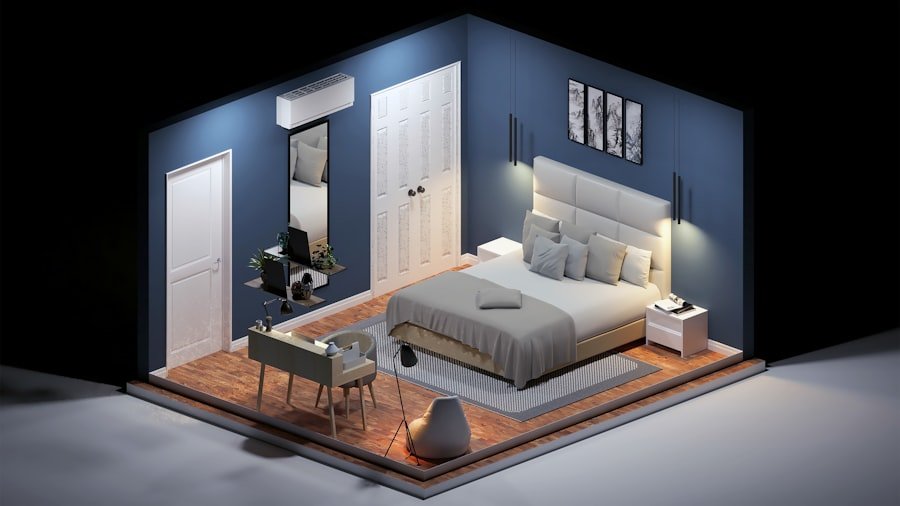
Personalization is key to making any space feel like home. Incorporating decor and art that reflects individual tastes and experiences adds character and warmth to a room. Family photographs displayed in stylish frames or curated collections of travel souvenirs can evoke cherished memories while serving as conversation starters for guests.
When selecting artwork, consider pieces that resonate emotionally; whether it’s a vibrant painting or a serene landscape photograph, art has the power to influence mood and inspire creativity. In addition to traditional wall art, consider incorporating three-dimensional decor elements such as sculptures or decorative vases that add visual interest at varying heights. Plants are another excellent way to personalize a space; they not only purify the air but also bring life and vibrancy into any room.
Choosing planters that complement the overall design aesthetic will further enhance their impact. Ultimately, personalizing decor should reflect one’s unique style while creating an environment that feels welcoming and authentic.
Creating a Relaxing Reading Nook
A reading nook serves as an oasis for relaxation and escape from daily stresses. To create this tranquil space, begin by selecting a comfortable chair or chaise lounge that invites long hours of reading. Opting for plush cushions or throws will enhance comfort while adding layers of texture to the area.
Positioning this seating near natural light sources—such as windows—can provide ideal lighting conditions for reading during daylight hours. In addition to seating, consider incorporating shelving or side tables within arm’s reach to hold books and beverages. A small bookshelf filled with favorite reads not only keeps materials organized but also adds personality to the nook.
Soft lighting options such as table lamps or wall sconces can create an inviting atmosphere during evening hours; choosing warm bulbs will maintain a cozy ambiance conducive to relaxation. Finally, adding personal touches like framed quotes or artwork related to literature will further enhance this dedicated space for unwinding with a good book.
Incorporating Natural Elements
Bringing natural elements into interior design fosters a connection with nature that enhances well-being and tranquility within a home. One effective way to achieve this is through the use of plants; incorporating greenery not only purifies indoor air but also adds vibrancy and life to any space. Selecting low-maintenance plants such as succulents or snake plants makes it easy for even novice gardeners to enjoy their benefits without extensive care.
In addition to plants, utilizing natural materials in furniture and decor can create an organic feel throughout the home. Wooden furniture pieces—whether reclaimed or sustainably sourced—add warmth and texture while promoting sustainability. Stone accents such as marble countertops or slate tiles introduce an earthy element that complements various design styles.
Furthermore, incorporating natural fibers in textiles—such as jute rugs or cotton curtains—can enhance tactile experiences while maintaining an eco-friendly approach to design. By thoughtfully integrating these elements into interior spaces, one can cultivate an environment that feels both grounded and rejuvenating.
FAQs
What are the key elements of a cozy bedroom design?
Key elements of a cozy bedroom design include soft lighting, comfortable bedding, warm colors, textured fabrics, and personal touches such as artwork or decorative pillows. Incorporating natural materials and ensuring good ventilation also contribute to a cozy atmosphere.
How can I make a small bedroom feel more functional?
To make a small bedroom more functional, use multi-purpose furniture like beds with storage drawers, wall-mounted shelves, and foldable desks. Keep the space organized by minimizing clutter and using vertical storage solutions. Light colors and mirrors can also help make the room feel larger.
What types of lighting are best for a cozy bedroom?
Layered lighting works best for a cozy bedroom. This includes ambient lighting (such as ceiling fixtures), task lighting (like bedside lamps for reading), and accent lighting (such as string lights or wall sconces). Warm light bulbs with a color temperature around 2700K to 3000K create a relaxing ambiance.
How important is color choice in designing a cozy bedroom?
Color choice is very important in creating a cozy bedroom. Warm, muted tones like soft browns, beiges, pastels, and earth tones tend to promote relaxation and comfort. Avoid overly bright or harsh colors, which can be stimulating rather than calming.
What furniture is essential for a functional bedroom?
Essential furniture for a functional bedroom includes a comfortable bed, adequate storage such as a dresser or wardrobe, bedside tables, and possibly a seating area if space allows. Choosing furniture that fits the room size and offers storage options helps maintain functionality.
How can I incorporate personal style into my bedroom design?
Incorporate personal style by adding items that reflect your tastes, such as artwork, photographs, decorative pillows, or unique furniture pieces. Choose colors, patterns, and textures that you enjoy and that make you feel comfortable and relaxed.
What role do textiles play in a cozy bedroom?
Textiles like rugs, curtains, blankets, and cushions add warmth, texture, and softness to a bedroom, enhancing its coziness. Layering different fabrics such as cotton, wool, and velvet can create a rich, inviting environment.
How can I improve bedroom functionality without sacrificing comfort?
Improve functionality by selecting furniture with built-in storage, organizing belongings efficiently, and maintaining clear pathways. Use space-saving solutions like under-bed storage and wall-mounted shelves. Ensure comfort by choosing quality bedding and maintaining a clutter-free environment.
Is it important to consider bedroom layout when designing for coziness and functionality?
Yes, bedroom layout is important. Arrange furniture to maximize space and flow, ensuring easy access to the bed and storage areas. Avoid overcrowding the room and position the bed as a focal point to create a balanced and inviting space.
How can I create a relaxing atmosphere in my bedroom?
Create a relaxing atmosphere by using soft lighting, calming colors, comfortable bedding, and minimizing noise and clutter. Incorporate elements like plants, soothing scents, and personal items that promote relaxation and well-being.
About the Author