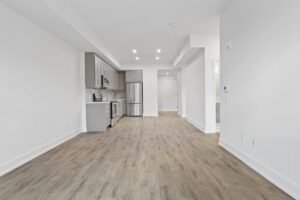
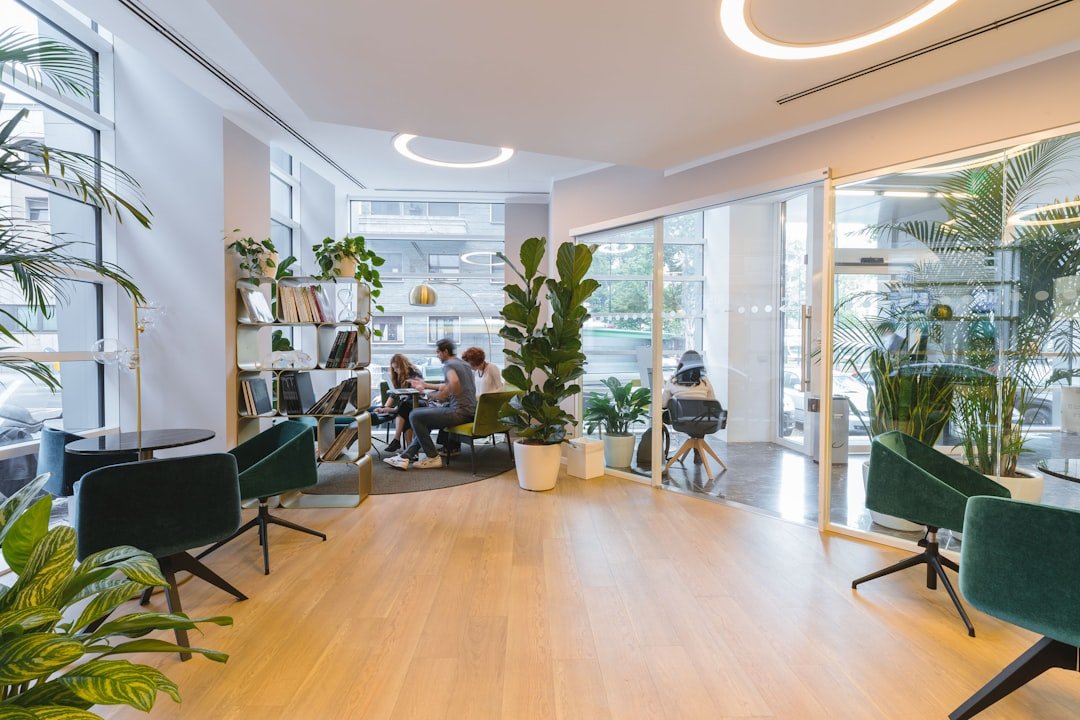
Laminate flooring is a synthetic product designed to mimic the appearance of natural materials such as wood or stone. It is composed of several layers, including a core layer made from high-density fiberboard (HDF), a photographic layer that provides the visual design, and a protective wear layer that enhances durability. This multi-layer construction allows laminate flooring to be both cost-effective and versatile, making it a popular choice for homeowners looking to achieve a stylish look without the hefty price tag associated with genuine hardwood or stone.
One of the key characteristics of laminate flooring is its ease of installation. Many laminate products feature a click-lock system that allows planks to be easily connected without the need for glue or nails. This user-friendly installation process makes laminate an attractive option for DIY enthusiasts and those looking to save on labor costs.
Additionally, laminate flooring is available in a wide range of styles, colors, and finishes, enabling homeowners to find the perfect match for their interior design preferences. The ability to replicate the look of natural materials while offering practical benefits has solidified laminate flooring’s place in modern home design.
Exploring the Benefits of Hardwood Flooring
Hardwood flooring is often regarded as the gold standard in flooring options due to its timeless beauty and durability. Made from solid wood or engineered wood, hardwood floors can add significant value to a home, making them a sought-after feature in real estate markets. The natural grain patterns and rich colors of hardwood create an inviting atmosphere that can enhance the overall aesthetic of any room.
Unlike synthetic alternatives, hardwood flooring offers a unique character that cannot be replicated, as each plank is distinct in its appearance. Beyond aesthetics, hardwood flooring is known for its longevity. With proper care and maintenance, hardwood floors can last for decades, even centuries.
They can be sanded and refinished multiple times, allowing homeowners to restore their original luster and adapt to changing design trends without the need for complete replacement. Furthermore, hardwood has excellent thermal properties, providing warmth underfoot and contributing to energy efficiency in homes. This combination of beauty, durability, and sustainability makes hardwood flooring a compelling choice for many homeowners.
Comparing the Features of Vinyl Flooring
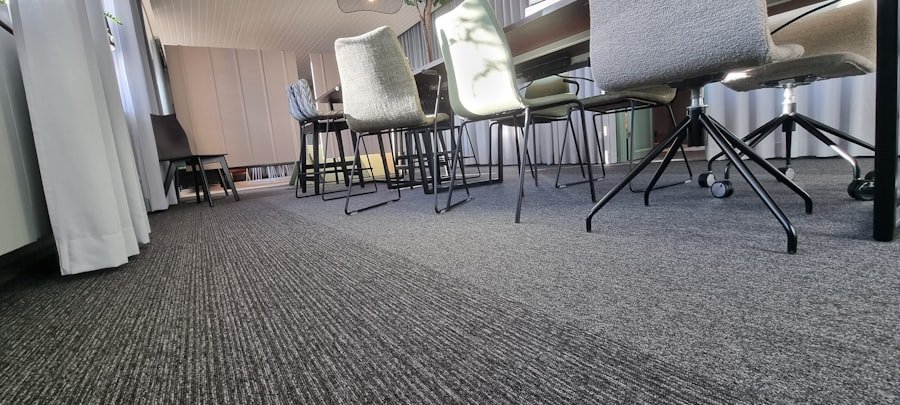
Vinyl flooring has gained popularity in recent years due to its affordability and versatility. Available in various forms, including sheets, tiles, and planks, vinyl can mimic the appearance of both wood and stone while offering unique benefits of its own. One of the standout features of vinyl flooring is its water resistance, making it an ideal choice for areas prone to moisture, such as kitchens and bathrooms.
This characteristic sets it apart from laminate flooring, which can be susceptible to water damage if not properly maintained. Another significant advantage of vinyl flooring is its comfort underfoot. Many vinyl products come with built-in cushioning that provides a softer feel compared to harder surfaces like tile or laminate.
This added comfort can be particularly beneficial in spaces where people spend extended periods standing, such as kitchens or playrooms. Additionally, vinyl flooring is relatively easy to clean and maintain; regular sweeping and occasional mopping are usually sufficient to keep it looking fresh. The combination of practicality and aesthetic appeal makes vinyl flooring an attractive option for families and busy households.
Cost Considerations for Laminate, Hardwood, and Vinyl
When evaluating flooring options, cost is often a primary consideration for homeowners. Laminate flooring typically falls on the lower end of the price spectrum, making it an accessible choice for those on a budget. The affordability of laminate does not compromise its visual appeal; many products closely resemble hardwood or stone at a fraction of the cost.
Installation costs are also lower due to the ease of DIY installation, further enhancing its budget-friendly reputation. In contrast, hardwood flooring tends to be more expensive due to the cost of raw materials and the craftsmanship involved in its production. Solid hardwood can be particularly pricey, while engineered hardwood offers a more affordable alternative without sacrificing quality.
Vinyl flooring occupies a middle ground in terms of cost; while it can be less expensive than hardwood, high-quality vinyl products can approach the price range of laminate. Homeowners should consider not only the initial purchase price but also long-term value when making their decision, as factors such as durability and potential resale value can significantly impact overall costs.
Durability and Maintenance of Laminate, Hardwood, and Vinyl
| Feature | Laminate Flooring | Hardwood Flooring | Vinyl Flooring |
|---|---|---|---|
| Material Composition | Composite wood with photographic layer and protective topcoat | Solid wood or engineered wood | PVC (polyvinyl chloride) with various layers |
| Appearance | Realistic wood look via photographic layer | Natural wood grain and texture | Varies: wood, stone, or tile look |
| Durability | Moderate; resistant to scratches but can swell with moisture | High; can be sanded and refinished multiple times | High; water-resistant and scratch-resistant |
| Water Resistance | Low to moderate; not suitable for wet areas | Low; can warp with moisture exposure | High; suitable for bathrooms and kitchens |
| Installation | Floating click-lock system; DIY friendly | Nail-down, glue-down, or floating; professional recommended | Click-lock or glue-down; DIY friendly |
| Maintenance | Easy; regular sweeping and occasional damp mopping | Moderate; requires refinishing and careful cleaning | Easy; regular sweeping and mopping |
| Cost Range | Low to moderate | High | Low to moderate |
| Lifespan | 10-25 years | 25-100+ years | 10-20 years |
| Environmental Impact | Uses composite materials; less sustainable | Renewable resource; can be sustainably sourced | Made from synthetic materials; recycling options vary |
Durability is a crucial factor when selecting flooring materials, especially in high-traffic areas or homes with pets and children. Laminate flooring is designed to withstand wear and tear thanks to its tough wear layer that resists scratches and dents. However, while laminate is durable against surface damage, it is not impervious to moisture; prolonged exposure to water can lead to warping or swelling.
Regular maintenance involves sweeping or vacuuming to remove dirt and debris, along with occasional damp mopping using manufacturer-recommended cleaning solutions. Hardwood flooring boasts impressive durability but requires more maintenance than laminate or vinyl. While it can endure heavy foot traffic, it is susceptible to scratches and dents from furniture or pet claws.
To maintain its appearance, hardwood floors should be regularly swept or vacuumed and cleaned with appropriate wood floor cleaners. Periodic refinishing may be necessary to restore the floor’s original shine and protect it from wear over time. Despite these maintenance requirements, many homeowners find that the beauty and longevity of hardwood justify the effort involved.
Vinyl flooring stands out for its resilience against moisture and stains, making it an excellent choice for busy households. Its surface is generally resistant to scratches and scuffs, although sharp objects can still cause damage if not handled carefully. Maintenance is straightforward; regular sweeping or vacuuming combined with occasional mopping keeps vinyl floors looking pristine.
Unlike hardwood or laminate, vinyl does not require refinishing or sealing over time, which simplifies long-term care.
Environmental Impact of Laminate, Hardwood, and Vinyl
The environmental impact of flooring materials is an increasingly important consideration for many homeowners. Hardwood flooring can be considered a sustainable option when sourced from responsibly managed forests that adhere to sustainable forestry practices. Certifications such as the Forest Stewardship Council (FSC) ensure that wood products are harvested in an environmentally friendly manner.
Additionally, hardwood’s longevity means that it does not need to be replaced frequently, reducing waste over time. Laminate flooring’s environmental footprint varies depending on the materials used in its production. While some laminates are made from recycled materials, others may contain harmful chemicals such as formaldehyde in their adhesives.
Homeowners should look for low-VOC (volatile organic compounds) options that minimize indoor air pollution. On the other hand, vinyl flooring has faced criticism due to its petroleum-based composition and potential release of harmful chemicals during production and disposal. However, advancements in manufacturing processes have led to the development of more eco-friendly vinyl options that are phthalate-free and recyclable.
Design and Aesthetic Options for Laminate, Hardwood, and Vinyl
The design possibilities offered by laminate, hardwood, and vinyl flooring are vast, allowing homeowners to create personalized spaces that reflect their style preferences. Laminate flooring comes in an extensive array of colors and patterns that can mimic various wood species or even stone textures. This versatility enables homeowners to achieve their desired aesthetic without breaking the bank.
Additionally, laminate can be installed in various configurations—such as herringbone or diagonal patterns—further enhancing design flexibility. Hardwood flooring is celebrated for its natural beauty and timeless appeal. With options ranging from light maple to rich mahogany, homeowners can select finishes that complement their interior decor seamlessly.
The ability to stain hardwood allows for customization; homeowners can choose from a variety of shades or even opt for distressed finishes that evoke a rustic charm. Furthermore, hardwood’s inherent warmth adds character to any space, making it a favored choice among those seeking elegance. Vinyl flooring has evolved significantly over recent years in terms of design capabilities.
Modern vinyl products can convincingly replicate the look of natural materials like wood or stone with remarkable accuracy. Advanced printing technology allows for intricate designs that capture the nuances of real surfaces while providing additional benefits such as water resistance and ease of maintenance. Homeowners can choose from an array of styles—from contemporary minimalist designs to classic patterns—ensuring that there is a vinyl option suitable for every taste.
Making the Right Choice for Your Home: Laminate, Hardwood, or Vinyl
Choosing between laminate, hardwood, and vinyl flooring ultimately depends on individual preferences and specific needs within a home environment. For those prioritizing budget-friendly options without sacrificing style, laminate flooring presents an excellent solution with its affordability and diverse design choices. It is particularly well-suited for families with children or pets due to its durability against scratches and ease of maintenance.
On the other hand, homeowners seeking long-term investment value may lean towards hardwood flooring despite its higher initial cost. The timeless beauty and potential for refinishing make hardwood an appealing choice for those who appreciate natural materials and wish to enhance their home’s resale value over time. Vinyl flooring serves as a versatile middle ground that combines affordability with practicality.
Its water resistance makes it ideal for moisture-prone areas like kitchens and bathrooms while offering a wide range of design options that cater to various aesthetic preferences. Ultimately, understanding the unique characteristics of each flooring type will empower homeowners to make informed decisions that align with their lifestyle needs and design aspirations.
FAQs
What are the main differences between laminate, hardwood, and vinyl flooring?
Laminate flooring is made of a fiberboard core with a photographic layer that mimics wood, topped with a protective wear layer. Hardwood flooring consists of solid wood planks or engineered wood with a real wood veneer. Vinyl flooring is made from synthetic materials, primarily PVC, and can come in sheets, tiles, or planks that imitate wood or other materials.
Which type of flooring is the most durable?
Vinyl flooring is generally the most durable and water-resistant, making it suitable for high-moisture areas. Laminate is also durable and scratch-resistant but less water-resistant than vinyl. Hardwood is durable but can be prone to scratches, dents, and water damage if not properly maintained.
How do the costs compare among laminate, hardwood, and vinyl flooring?
Laminate flooring is usually the most affordable option, followed by vinyl, which can vary in price depending on quality and design. Hardwood flooring tends to be the most expensive due to the cost of natural wood and installation.
Can laminate, hardwood, and vinyl flooring be installed in bathrooms or basements?
Vinyl flooring is the best choice for bathrooms and basements because it is water-resistant and can handle moisture well. Laminate is not recommended for high-moisture areas unless it is specifically designed to be water-resistant. Hardwood is generally not suitable for bathrooms or basements due to its susceptibility to moisture damage.
Which flooring type is easiest to maintain?
Vinyl flooring is the easiest to maintain, requiring only regular sweeping and occasional mopping. Laminate also requires minimal maintenance but should be kept dry to avoid damage. Hardwood requires more care, including periodic refinishing and protection from moisture.
Are there environmental considerations for laminate, hardwood, and vinyl flooring?
Hardwood flooring is a natural, renewable resource but may contribute to deforestation if not sourced sustainably. Laminate flooring uses composite wood products and adhesives, which may emit VOCs. Vinyl flooring is made from synthetic materials and is less environmentally friendly due to its production and disposal impact.
Can all three types of flooring be refinished or repaired?
Hardwood flooring can be sanded and refinished multiple times to restore its appearance. Laminate flooring cannot be refinished; damaged planks usually need to be replaced. Vinyl flooring cannot be refinished either, but individual tiles or planks can sometimes be replaced if damaged.