Heart rate monitoring has become a cornerstone feature in modern fitness technology, providing users with real-time insights into their cardiovascular health and exercise intensity. Devices equipped with heart rate sensors utilize photoplethysmography (PPG) technology, which measures blood flow through the skin. This method allows for continuous heart rate tracking during various activities, from casual walking to high-intensity interval training.
The ability to monitor heart rate in real-time enables users to optimize their workouts by ensuring they remain within their target heart rate zones, which can enhance fat burning and improve cardiovascular fitness. Moreover, advanced heart rate monitors can also provide valuable data beyond mere beats per minute. Many devices now offer features such as heart rate variability (HRV) analysis, which assesses the time interval between heartbeats.
HRV is a significant indicator of overall health and stress levels, as higher variability often correlates with better cardiovascular fitness and resilience to stress. For athletes, understanding HRV can be crucial for recovery and performance optimization, allowing them to tailor their training regimens based on their physiological responses.
GPS Tracking
GPS tracking has revolutionized the way individuals engage with outdoor activities, providing precise location data that enhances the overall fitness experience. By utilizing satellite technology, fitness devices can accurately map routes taken during runs, hikes, or bike rides, allowing users to analyze their performance over time. This feature is particularly beneficial for those who enjoy exploring new trails or urban environments, as it enables them to track distance, pace, and elevation changes with remarkable accuracy.
The integration of GPS tracking into fitness devices has made it easier for users to set personal records and challenge themselves on various terrains. In addition to performance metrics, GPS tracking can also enhance safety during outdoor activities. Many devices now come equipped with features that allow users to share their location with friends or family members in real-time.
This capability is especially important for solo adventurers who may find themselves in remote areas. Furthermore, some devices offer route planning features that help users discover popular trails or paths based on community data, ensuring they can explore safely while also benefiting from the experiences of others.
Activity and Workout Tracking
Activity and workout tracking has evolved significantly, moving beyond simple step counting to encompass a wide range of physical activities and exercises. Modern fitness trackers are equipped with sophisticated algorithms that can automatically detect various workouts, such as running, cycling, swimming, and even strength training. This automatic recognition allows users to focus on their performance without the need to manually log each session.
For instance, a user might start a run, and the device will automatically switch to running mode, capturing metrics like distance, pace, and calories burned. Moreover, many devices now offer detailed insights into specific workouts through metrics such as VO2 max estimation and recovery time recommendations. These advanced analytics provide users with a deeper understanding of their fitness levels and help them make informed decisions about their training intensity and frequency.
For example, after a particularly strenuous workout, a user might receive a notification suggesting a rest day or a lighter workout based on their recovery needs. This level of personalized feedback is invaluable for individuals looking to improve their performance while minimizing the risk of injury.
Sleep Tracking
Sleep tracking has emerged as an essential feature in fitness devices, reflecting the growing recognition of sleep’s critical role in overall health and fitness. By monitoring sleep patterns through movement and heart rate data, these devices can provide insights into sleep quality, duration, and stages of sleep—light, deep, and REM. Understanding these patterns allows users to identify factors that may be affecting their sleep quality, such as stress levels or lifestyle choices.
For instance, a user might discover that late-night screen time correlates with poorer sleep quality, prompting them to adjust their habits accordingly. In addition to tracking sleep stages, many devices offer features that promote better sleep hygiene. Some include guided breathing exercises or relaxation techniques that users can engage in before bedtime to help them wind down.
Others may provide personalized sleep recommendations based on historical data, such as optimal bedtimes or wake-up times tailored to individual sleep cycles. This holistic approach not only aids in improving sleep quality but also enhances overall well-being by ensuring users are well-rested and ready to tackle their daily activities.
Water Resistance
| Feature | Description | Usefulness for Fitness Tracking | Common Metrics Tracked |
|---|---|---|---|
| Heart Rate Monitor | Measures your heart rate continuously or on demand. | High – Helps monitor workout intensity and recovery. | Beats per minute (BPM), resting heart rate, heart rate zones |
| GPS Tracking | Tracks your location and distance during outdoor activities. | High – Essential for running, cycling, and hiking metrics. | Distance, pace, route mapping, speed |
| Step Counter (Pedometer) | Counts the number of steps taken throughout the day. | Medium – Useful for general activity tracking and motivation. | Steps, step goals, calories burned |
| Sleep Tracking | Monitors sleep duration and quality. | Medium – Important for recovery and overall health. | Sleep stages, total sleep time, sleep quality score |
| Calorie Tracking | Estimates calories burned based on activity and heart rate. | Medium – Helps with weight management and energy balance. | Calories burned, basal metabolic rate (BMR) |
| Activity Recognition | Automatically detects type of exercise (e.g., running, cycling). | High – Provides accurate workout data without manual input. | Exercise type, duration, intensity |
| VO2 Max Estimation | Estimates maximum oxygen consumption during exercise. | High – Indicator of cardiovascular fitness level. | VO2 max value |
| Stress Monitoring | Measures physiological stress levels using heart rate variability. | Low to Medium – Useful for overall wellness but less direct for fitness. | Stress score, recovery time |
| Water Resistance | Allows use during swimming or in wet conditions. | Medium – Enables tracking of swimming workouts and durability. | Swim distance, stroke count, lap times |
| Blood Oxygen (SpO2) Monitoring | Measures oxygen saturation in the blood. | Low to Medium – Useful for altitude training and health monitoring. | SpO2 percentage |
Water resistance is a crucial feature for fitness enthusiasts who engage in aquatic activities or simply want peace of mind while exercising in various weather conditions. Many modern fitness trackers are designed with water-resistant ratings that indicate their ability to withstand exposure to water without compromising functionality. For example, a device rated at IP68 can typically be submerged in water up to a certain depth for extended periods without damage.
This feature is particularly appealing for swimmers who want to track their laps and strokes without worrying about damaging their devices. Beyond swimming, water resistance also benefits users who enjoy outdoor activities in unpredictable weather conditions. Whether it’s running in the rain or hiking through misty trails, having a water-resistant device ensures that users can continue tracking their workouts without interruption.
Additionally, some devices offer specialized swim tracking modes that provide metrics such as stroke count and lap times, further enhancing the experience for aquatic athletes.
Battery Life
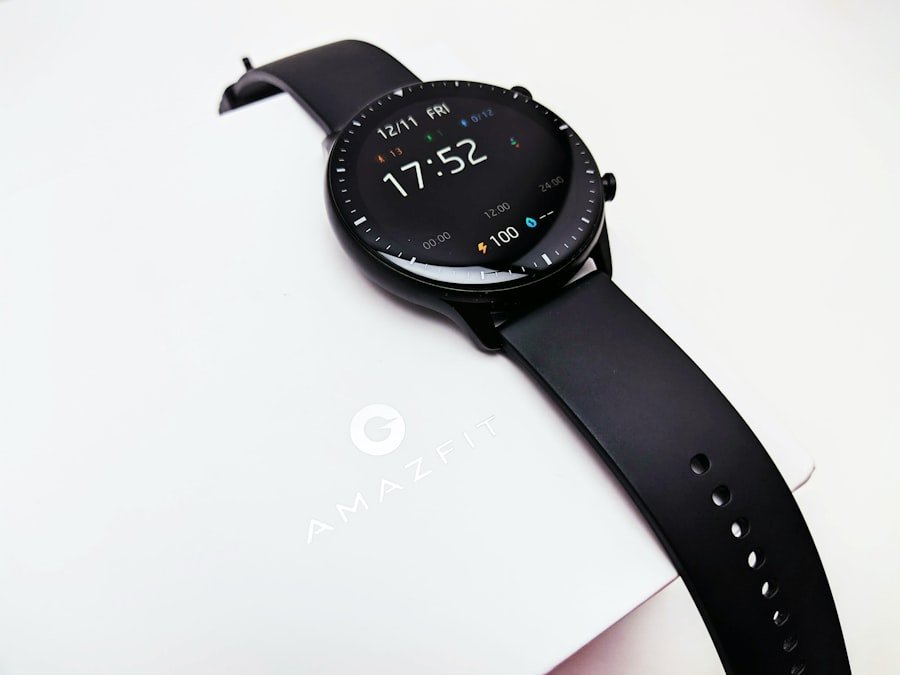
Battery life is a critical consideration for anyone investing in a fitness device, as it directly impacts usability and convenience. Many modern fitness trackers boast impressive battery longevity, often lasting several days or even weeks on a single charge depending on usage patterns and features activated. For instance, a device may last up to 14 days when used primarily for step tracking but may require more frequent charging when GPS tracking or heart rate monitoring is continuously active.
This flexibility allows users to choose how they want to utilize their devices based on their specific needs. Furthermore, advancements in battery technology have led to faster charging capabilities as well. Some devices now offer quick charge options that provide several hours of use after just a short charging session.
This feature is particularly beneficial for users who may forget to charge their devices overnight or need a quick boost before heading out for an activity. The combination of extended battery life and rapid charging ensures that users can rely on their fitness trackers without the constant worry of running out of power during critical workouts.
Compatibility with Fitness Apps
The compatibility of fitness devices with various fitness apps has become increasingly important as users seek to integrate their health data into broader wellness ecosystems. Many fitness trackers seamlessly sync with popular applications like MyFitnessPal, Strava, or Apple Health, allowing users to consolidate their health metrics in one place. This integration enables individuals to track not only their physical activity but also nutrition and other health-related data points, creating a comprehensive view of their wellness journey.
Moreover, compatibility with fitness apps often enhances the user experience by providing access to additional features such as community challenges or personalized coaching programs. For example, a user might participate in a virtual running challenge through an app that syncs with their device, allowing them to compete against friends or other community members while tracking their progress in real-time. This social aspect of fitness apps fosters motivation and accountability among users, encouraging them to stay committed to their fitness goals.
Customizable Fitness Goals and Alerts
Customizable fitness goals and alerts are essential features that empower users to take control of their health and wellness journeys. Many fitness devices allow individuals to set specific targets related to steps taken, calories burned, active minutes, or even specific workout types. This personalization ensures that users can tailor their fitness objectives according to their unique lifestyles and aspirations.
For instance, someone training for a marathon might set a goal for weekly mileage while another individual might focus on increasing daily step counts. In addition to setting goals, many devices offer customizable alerts that notify users when they reach milestones or need to adjust their activity levels throughout the day. These reminders can serve as motivational nudges—encouraging users to stand up after prolonged periods of inactivity or reminding them when it’s time for a scheduled workout session.
The ability to customize these alerts enhances user engagement by providing timely feedback that aligns with individual preferences and schedules. As a result, users are more likely to stay committed to their fitness routines and achieve their desired outcomes over time.
FAQs
What are the key smartwatch features for fitness tracking?
Key features include heart rate monitoring, GPS tracking, step counting, sleep tracking, calorie tracking, and workout recognition. These features help users monitor their physical activity and health metrics effectively.
How does heart rate monitoring benefit fitness tracking?
Heart rate monitoring provides real-time data on your cardiovascular activity, helping you optimize workouts, track intensity levels, and monitor overall heart health.
Is GPS tracking important in a fitness smartwatch?
Yes, GPS tracking is essential for accurately measuring distance, pace, and route during outdoor activities like running, cycling, and hiking.
Can smartwatches track different types of workouts?
Most fitness smartwatches support multiple workout modes such as running, swimming, cycling, and strength training, allowing for tailored tracking and more precise data collection.
How accurate are step counters on smartwatches?
Step counters on smartwatches are generally accurate for everyday use, though accuracy can vary based on the device and how it is worn.
Do smartwatches track sleep quality?
Many smartwatches include sleep tracking features that monitor sleep duration and quality by analyzing movement and heart rate patterns during the night.
Can smartwatches help with calorie tracking?
Yes, smartwatches estimate calories burned based on activity type, duration, heart rate, and personal data like age, weight, and gender.
Are fitness tracking features useful for beginners?
Absolutely. Fitness tracking features provide motivation, help set goals, and offer insights that can guide beginners toward healthier habits and improved fitness.
Do all smartwatches have fitness tracking capabilities?
Not all smartwatches are designed with fitness tracking in mind. It’s important to choose a model that specifically includes the fitness features you need.
Can smartwatch fitness data be synced with other apps?
Most smartwatches allow syncing with popular fitness and health apps, enabling users to analyze their data in more detail and maintain comprehensive health records.
About the Author