

Terms and conditions are legal agreements that establish the contractual relationship between service providers and users. These documents define the rights,…
Category: Law
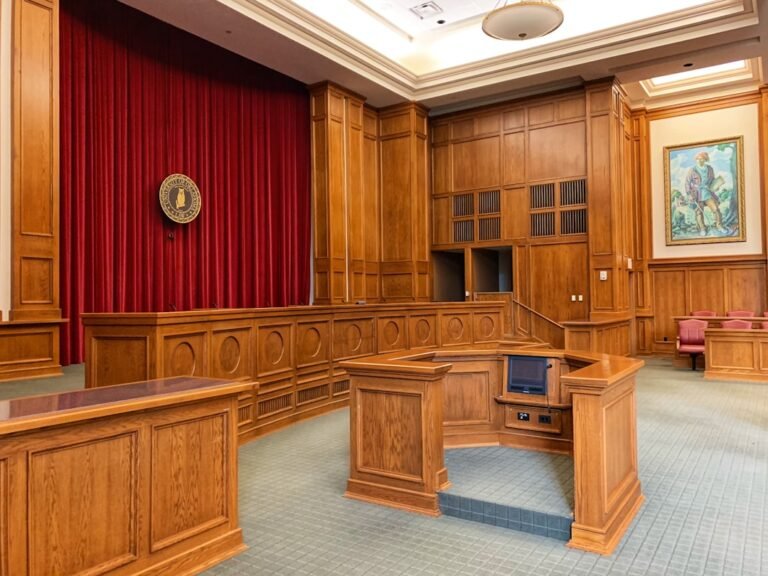
Arbitration vs. Litigation: Key Differences Explained
Arbitration and litigation represent the two principal mechanisms for dispute resolution, each possessing distinct procedural frameworks, benefits, and limitations. Litigation involves…

Legal Company Registration: Key Steps
Starting a business requires compliance with multiple layers of legal requirements that differ based on location and industry sector. Entrepreneurs must…

Understanding Public vs. Private Law
The legal system consists of two primary categories: public law and private law. These branches serve different functions and govern distinct…

Ensuring Employee Rights: Labor Laws Across Industries
Labor laws constitute a comprehensive regulatory system that defines the legal relationship between employers and employees. These regulations serve to safeguard…

Safeguarding Creative Works: The Role of Intellectual Property
Intellectual property (IP) refers to the legal rights that arise from the intellectual activity in the industrial, scientific, literary, and artistic…

Key Tenant Rights Under Rental Laws
The right to habitable housing is a legal principle that requires landlords to maintain rental properties according to established health and…

Understanding Copyright, Trademark, and Patent Differences
Intellectual property (IP) refers to legal protections granted to creations of the mind, including inventions, literary and artistic works, designs, symbols,…

Understanding Criminal Law vs. Civil Law
Criminal law and civil law represent two fundamental branches of the legal system, each serving distinct purposes and addressing different types…

Filing a Legal Consumer Complaint: Your Step-by-Step Guide
Filing a legal consumer complaint serves as a formal mechanism for addressing disputes between consumers and businesses when standard resolution methods…