
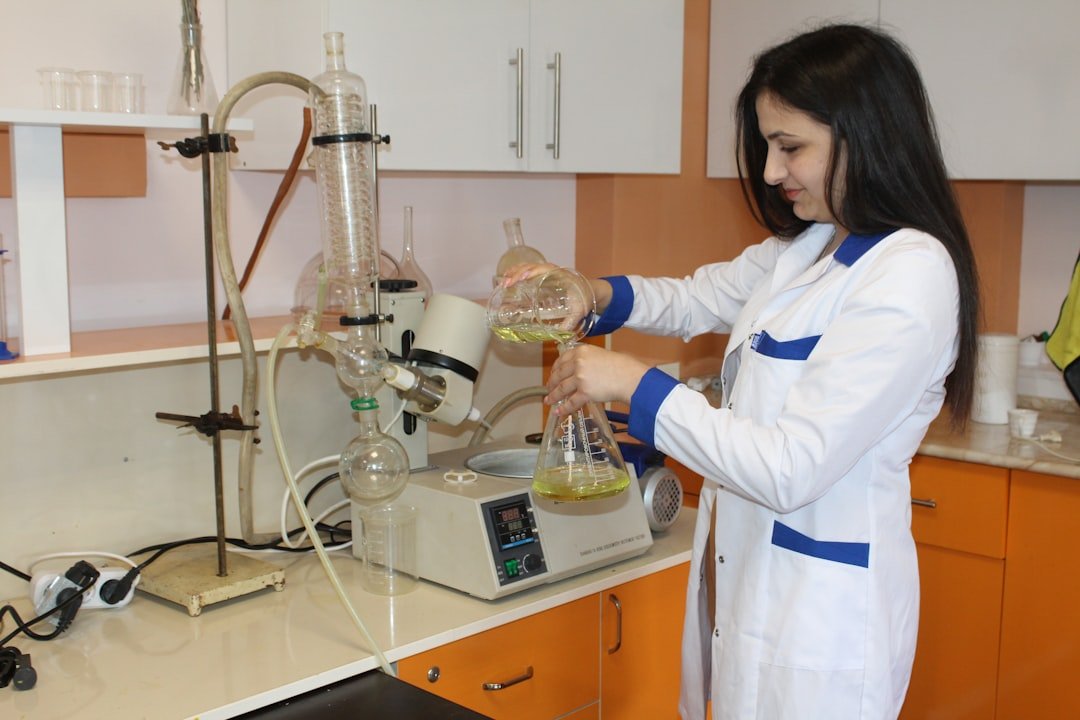
Practical chemistry experiments form the foundation of chemical education by connecting theoretical concepts with real-world applications. Through direct participation in laboratory activities, students observe chemical reactions and develop understanding of fundamental principles including stoichiometry, reaction kinetics, and thermodynamics. The reaction between acetic acid (vinegar) and sodium bicarbonate (baking soda) demonstrates acid-base chemistry and gas evolution, providing students with direct observation of chemical transformations.
This experiential learning approach enhances comprehension of abstract concepts through sensory engagement and material manipulation. Laboratory work develops transferable skills beyond chemistry knowledge. Students practice collaborative problem-solving, communication, and data interpretation while working in groups to formulate hypotheses, record observations, and resolve experimental challenges.
When results differ from predictions, students must evaluate procedures, consider alternative explanations, and modify approaches systematically. This process reinforces scientific methodology and develops analytical reasoning skills applicable to research and industrial settings where systematic thinking and adaptability are required.
Safety Precautions and Guidelines
Safety is a fundamental aspect of conducting practical chemistry experiments. The laboratory environment can pose various hazards, including exposure to toxic substances, flammable materials, and corrosive chemicals. Therefore, it is imperative for students and educators to adhere to strict safety protocols.
Before entering the lab, individuals should don appropriate personal protective equipment (PPE), including safety goggles, lab coats, and gloves. These items serve as the first line of defense against potential spills or splashes that could cause injury. Additionally, long hair should be tied back, and loose clothing should be secured to prevent entanglement in equipment.
Beyond personal safety measures, understanding the properties of the chemicals being used is crucial. Students should familiarize themselves with Material Safety Data Sheets (MSDS) for each substance involved in their experiments. These documents provide vital information regarding hazards, handling procedures, and emergency measures.
For instance, if a student is working with hydrochloric acid, they must be aware of its corrosive nature and the appropriate steps to take in case of skin contact or inhalation. Furthermore, proper waste disposal methods must be followed to minimize environmental impact and ensure compliance with regulations. By instilling a culture of safety in the laboratory, educators can help students develop responsible practices that will serve them well throughout their scientific careers.
Equipment and Materials
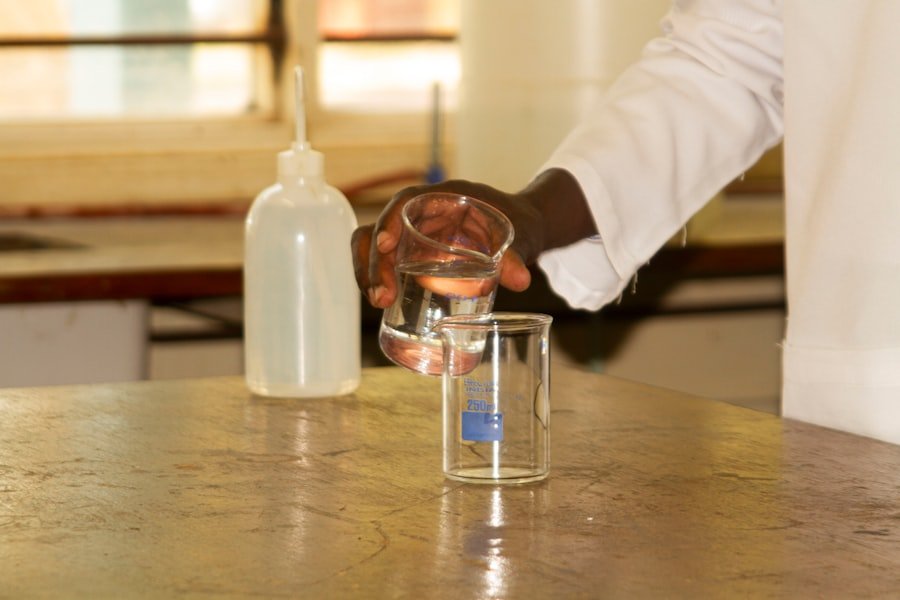
The success of any practical chemistry experiment hinges on the availability and proper use of equipment and materials. A well-equipped laboratory should include essential apparatus such as beakers, flasks, pipettes, Bunsen burners, and balances. Each piece of equipment serves a specific purpose; for example, beakers are ideal for mixing solutions while flasks are better suited for reactions that require swirling or heating.
Understanding the function of each item is critical for conducting experiments efficiently and accurately. In addition to standard laboratory equipment, students should also be aware of specialized tools that may enhance their experimental capabilities. For instance, spectrophotometers can be used to measure the absorbance of light by a solution, providing quantitative data on concentration levels.
Similarly, pH meters offer precise measurements of acidity or alkalinity in solutions, which can be crucial for certain experiments. The selection of materials is equally important; high-purity reagents should be used to ensure reliable results. When conducting a titration experiment to determine the concentration of an unknown acid solution, using impure reagents could lead to erroneous conclusions.
Therefore, familiarity with both equipment and materials is essential for achieving accurate and reproducible results in practical chemistry.
Planning and Preparation
Effective planning and preparation are vital components of successful practical chemistry experiments. Before embarking on an experiment, students should thoroughly review the experimental protocol to understand the objectives, procedures, and expected outcomes. This preparatory phase allows them to identify any potential challenges or limitations that may arise during the experiment.
For example, if an experiment requires precise temperature control for a reaction to proceed optimally, students must ensure that they have access to a reliable heating source and a thermometer. Additionally, preparing a detailed materials list can streamline the experimental process. By gathering all necessary reagents and equipment beforehand, students can minimize disruptions during the experiment.
This proactive approach not only enhances efficiency but also reduces the likelihood of errors caused by last-minute searches for materials. Furthermore, conducting a risk assessment prior to experimentation can help identify hazards associated with specific procedures or chemicals. By anticipating potential issues and developing contingency plans, students can navigate challenges more effectively during the actual experiment.
Data Collection and Analysis
| Assessment Criteria | Description | Typical Weighting (%) | Example Metrics |
|---|---|---|---|
| Accuracy of Results | How close the experimental results are to the expected or theoretical values. | 30 | Percentage error, deviation from expected values |
| Procedure and Technique | Correct use of laboratory equipment and adherence to the experimental method. | 25 | Proper handling of apparatus, following steps in order |
| Data Recording and Presentation | Clarity, organization, and completeness of recorded observations and data tables. | 20 | Neatness of tables, completeness of data, use of units |
| Analysis and Interpretation | Ability to analyze data, draw conclusions, and explain results scientifically. | 15 | Correct conclusions, explanation of anomalies |
| Safety and Cleanliness | Adherence to safety protocols and maintaining a clean workspace. | 10 | Use of PPE, proper disposal of chemicals |
Data collection is a critical phase in any practical chemistry experiment, as it provides the empirical evidence needed to support or refute hypotheses. Students should employ systematic methods for recording observations during their experiments. This may involve taking detailed notes on color changes, temperature fluctuations, or gas evolution at specific time intervals.
Utilizing data tables or spreadsheets can facilitate organized data entry and make it easier to analyze results later on. Once data has been collected, analysis becomes paramount in drawing meaningful conclusions from the experiment. Students should employ statistical methods where appropriate to assess the reliability of their results.
For instance, calculating averages and standard deviations can provide insights into the precision of measurements taken during an experiment. Graphical representations such as scatter plots or bar graphs can also aid in visualizing trends or relationships within the data. For example, if students are investigating the effect of temperature on reaction rate, plotting reaction times against temperature values can reveal patterns that may not be immediately apparent from raw data alone.
Evaluating Experimental Results
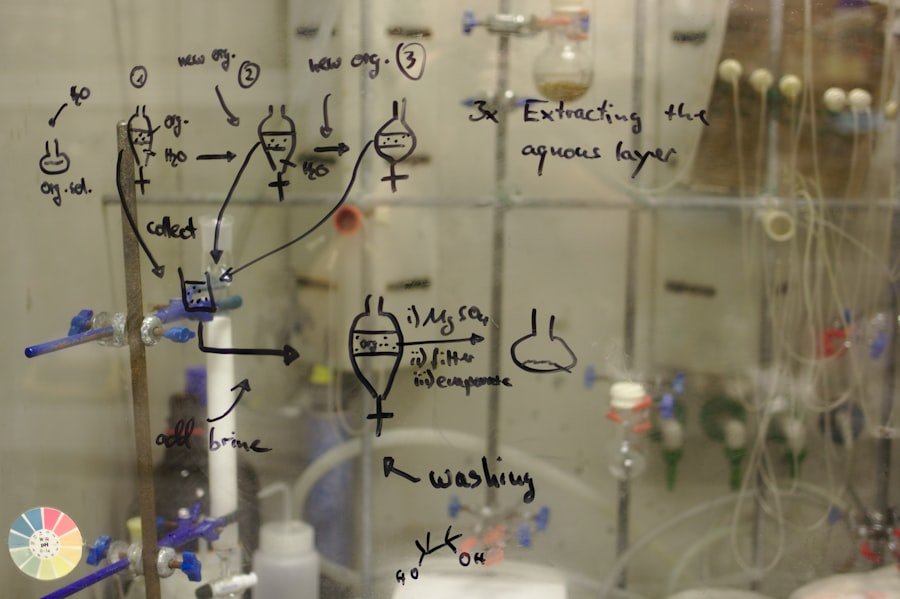
Evaluating experimental results is an essential step in the scientific process that allows students to assess the validity of their findings. After analyzing data, students should compare their results against theoretical predictions or established literature values. Discrepancies between observed outcomes and expected results can prompt further investigation into potential sources of error or alternative explanations for the findings.
In addition to comparing results with theoretical expectations, students should also consider the reproducibility of their experiments. Conducting multiple trials can help determine whether results are consistent across different attempts. If variations are observed between trials, it may indicate issues with experimental design or execution that need to be addressed.
Furthermore, peer review can play a significant role in evaluating results; discussing findings with classmates or instructors can provide fresh perspectives and insights that may enhance understanding.
Troubleshooting and Problem Solving
Troubleshooting is an inevitable aspect of conducting practical chemistry experiments; unexpected challenges often arise that require quick thinking and adaptability. When faced with issues such as unexpected color changes or incomplete reactions, students must employ problem-solving skills to identify potential causes. This may involve revisiting each step of the experimental procedure to pinpoint where things may have gone awry.
For instance, if a student is conducting a precipitation reaction but fails to observe any solid formation despite following the protocol correctly, they might consider factors such as reagent purity or concentration levels. It may also be beneficial to consult literature or seek guidance from instructors to explore alternative approaches or modifications that could yield better results. Developing a systematic approach to troubleshooting not only enhances problem-solving abilities but also fosters resilience in the face of setbacks—an invaluable trait for any aspiring scientist.
Incorporating Real-World Applications
Integrating real-world applications into practical chemistry experiments enriches the learning experience by demonstrating the relevance of chemistry in everyday life. For example, students can explore topics such as environmental chemistry by investigating water quality through experiments that test for pollutants like nitrates or heavy metals in local water sources. This hands-on approach not only reinforces theoretical concepts but also raises awareness about pressing environmental issues.
Furthermore, incorporating industry-related applications can inspire students by showcasing potential career paths in chemistry-related fields. For instance, experiments related to pharmaceuticals can illustrate how chemical principles are applied in drug development processes. Students might conduct experiments simulating drug synthesis or explore how different formulations affect drug efficacy.
By connecting classroom learning with real-world scenarios, educators can motivate students to pursue further studies in chemistry while highlighting its significance in addressing global challenges such as health care, energy sustainability, and environmental protection. In conclusion, practical chemistry experiments are indispensable for fostering a comprehensive understanding of chemical principles while equipping students with essential skills for future endeavors in science and industry. Through careful planning, adherence to safety protocols, effective data collection and analysis techniques, and an emphasis on real-world applications, educators can create enriching laboratory experiences that inspire curiosity and innovation among students.
FAQs
What criteria are used to assess practical chemistry experiments in school?
Assessment typically focuses on students’ ability to follow procedures accurately, use equipment safely, record observations clearly, analyze results logically, and demonstrate understanding of underlying chemical principles.
How important is safety during practical chemistry assessments?
Safety is a critical component of assessment. Students are evaluated on their adherence to safety protocols, proper handling of chemicals and equipment, and awareness of potential hazards throughout the experiment.
Are students assessed on their preparation before conducting experiments?
Yes, students may be assessed on their preparation, including understanding the experiment’s objectives, reviewing relevant theory, and planning the procedure effectively.
How is the accuracy of students’ observations and data recording evaluated?
Teachers assess the precision and clarity of students’ recorded observations, the completeness of data tables, and the correctness of measurements taken during the experiment.
Do assessments include students’ ability to analyze and interpret experimental results?
Yes, students are often required to analyze data, draw conclusions based on evidence, explain discrepancies, and relate findings to theoretical concepts.
Is teamwork considered in the assessment of practical chemistry experiments?
In group experiments, collaboration and communication skills may be assessed, including how well students share responsibilities and contribute to the experiment’s success.
How are written reports or lab notebooks evaluated in practical chemistry assessments?
Written reports and lab notebooks are assessed for organization, clarity, completeness, accuracy of content, and the ability to communicate scientific information effectively.
Are practical chemistry experiments assessed differently across various educational levels?
Yes, assessment criteria and complexity of experiments vary depending on the students’ grade level and curriculum standards, with higher levels requiring more detailed analysis and understanding.
Can practical chemistry assessments include oral presentations or viva voce?
In some cases, students may be asked to explain their experiment, methodology, and results verbally to demonstrate comprehension and communication skills.
How frequently are practical chemistry experiments assessed in schools?
The frequency varies by school and curriculum but typically includes periodic practical exams, lab assignments, and project work throughout the academic year.
About the Author