

Urban air quality has emerged as a critical concern in the contemporary world, particularly as cities continue to expand and industrial activities intensify. The rapid urbanization witnessed over the past few decades has led to increased emissions from vehicles, factories, and construction sites, contributing to a significant deterioration in air quality. According to the World Health Organization (WHO), approximately 4.2 million premature deaths occur globally each year due to outdoor air pollution, underscoring the urgent need for effective measures to combat this pressing issue.
The composition of urban air is often laden with pollutants such as particulate matter (PM), nitrogen oxides (NOx), sulfur dioxide (SO2), and volatile organic compounds (VOCs), which can have dire consequences for both human health and the environment. The sources of urban air pollution are multifaceted, ranging from transportation emissions to industrial discharges and even natural phenomena like wildfires. In densely populated areas, the concentration of these pollutants can reach alarming levels, particularly during temperature inversions or stagnant weather conditions that trap pollutants close to the ground.
The implications of poor air quality extend beyond immediate health concerns; they also encompass economic costs related to healthcare, lost productivity, and environmental degradation. As cities grapple with these challenges, understanding the dynamics of urban air quality becomes essential for developing effective policies and interventions aimed at safeguarding public health and enhancing the quality of life for urban residents.
Key Takeaways
- Urban air quality has a significant impact on public health and requires attention and action.
- Poor air quality can lead to a range of health issues, including respiratory diseases and cardiovascular problems.
- Children are particularly vulnerable to the effects of urban air pollution, which can have long-term consequences on their health.
- Certain populations, such as the elderly and those with pre-existing health conditions, are at higher risk from poor air quality.
- Strategies for improving urban air quality are essential and require collaboration between government, industry, and the public to make a meaningful impact.
Health Effects of Poor Air Quality
The health effects of poor air quality are profound and far-reaching, impacting not only individuals but also communities at large. Exposure to polluted air has been linked to a myriad of health issues, ranging from short-term respiratory irritations to long-term chronic diseases. For instance, individuals living in areas with high levels of air pollution often report symptoms such as coughing, throat irritation, and eye discomfort.
These acute effects can significantly diminish quality of life and lead to increased healthcare utilization. Moreover, the psychological toll of living in polluted environments can contribute to stress and anxiety, further exacerbating health disparities among affected populations. Long-term exposure to poor air quality is associated with more severe health outcomes, including chronic respiratory diseases, cardiovascular conditions, and even cancer.
Studies have shown that individuals exposed to high levels of particulate matter are at an increased risk of developing conditions such as asthma and chronic obstructive pulmonary disease (COPD). Furthermore, the link between air pollution and cardiovascular diseases is particularly concerning; research indicates that fine particulate matter can penetrate deep into the lungs and enter the bloodstream, leading to inflammation and other cardiovascular complications. The cumulative effects of these health issues not only strain healthcare systems but also diminish overall societal well-being.
Respiratory Diseases and Urban Air Pollution
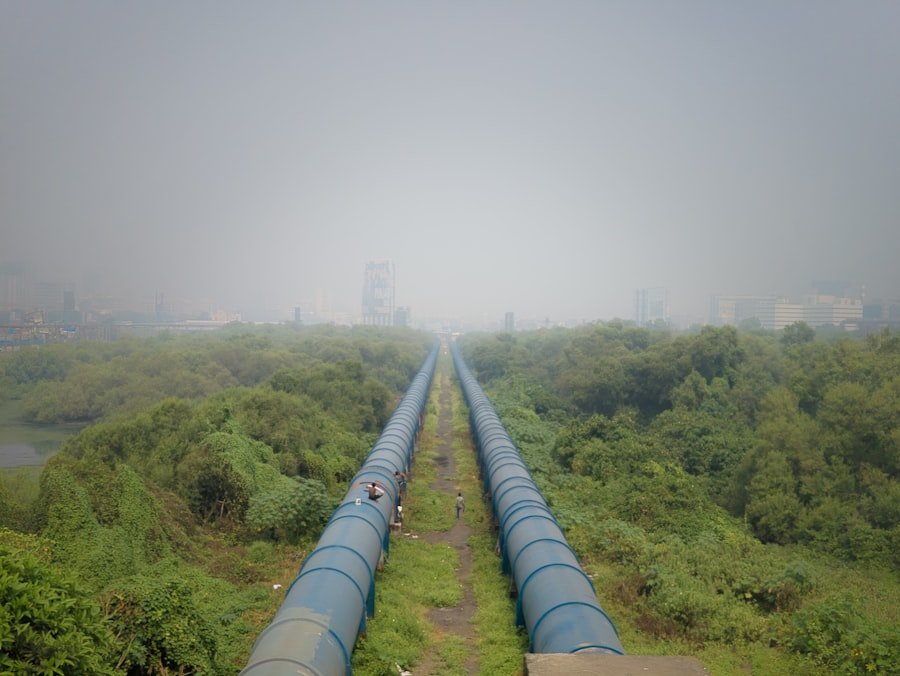
Respiratory diseases represent one of the most significant health challenges associated with urban air pollution. The inhalation of airborne pollutants can trigger a range of respiratory conditions, particularly in vulnerable populations such as children and the elderly. Asthma, for example, has been shown to be exacerbated by exposure to pollutants like ozone and particulate matter.
In urban settings where traffic congestion is prevalent, the risk of asthma attacks increases significantly due to elevated levels of these harmful substances. Children, whose lungs are still developing, are particularly susceptible; studies have indicated that children living in high-pollution areas may experience reduced lung function and increased rates of asthma-related hospitalizations. Chronic respiratory diseases such as COPD are also closely linked to long-term exposure to urban air pollution.
The World Health Organization estimates that COPD is the third leading cause of death globally, with a substantial portion of cases attributable to environmental factors including air quality. Pollutants such as PM2.5 (particulate matter with a diameter of less than 2.5 micrometers) can penetrate deep into lung tissue, causing chronic inflammation and damage over time. This relationship underscores the importance of addressing urban air quality not only as a public health issue but also as a critical component of preventive healthcare strategies aimed at reducing the burden of respiratory diseases.
Cardiovascular Health and Air Pollution
| City | PM2.5 Levels (µg/m³) | Cardiovascular Mortality Rate (%) |
|---|---|---|
| New York | 9.2 | 3.5 |
| Los Angeles | 12.4 | 4.2 |
| Beijing | 56.2 | 6.8 |
The impact of air pollution on cardiovascular health is an area of growing concern among researchers and public health officials alike. Numerous studies have established a clear link between exposure to air pollutants and an increased risk of cardiovascular diseases, including heart attacks, strokes, and hypertension. Fine particulate matter (PM2.5) is particularly notorious for its ability to infiltrate the cardiovascular system, leading to systemic inflammation and oxidative stress.
This process can result in the development of atherosclerosis—a condition characterized by the buildup of plaque in the arteries—which significantly raises the risk of heart-related events. Moreover, the effects of air pollution on cardiovascular health are not limited to individuals with pre-existing conditions; even healthy individuals can experience adverse effects from prolonged exposure to polluted air. Research has shown that short-term spikes in air pollution can lead to acute cardiovascular events, highlighting the urgent need for effective monitoring and intervention strategies in urban areas.
The economic implications are substantial as well; cardiovascular diseases often result in increased healthcare costs and lost productivity due to illness. Addressing air quality issues thus becomes not only a public health imperative but also an economic necessity for cities striving for sustainable growth.
Impact on Children’s Health
Children are among the most vulnerable populations affected by poor urban air quality, with their developing bodies and immune systems making them particularly susceptible to the harmful effects of pollutants. Research indicates that exposure to high levels of air pollution during critical periods of development can lead to long-lasting health consequences. For instance, studies have shown that children exposed to elevated levels of particulate matter may experience developmental delays, reduced lung function, and increased rates of respiratory illnesses such as asthma.
The implications extend beyond physical health; cognitive development can also be adversely affected by poor air quality. Emerging research suggests that children living in polluted environments may face challenges related to attention span, memory retention, and overall cognitive performance. These findings raise significant concerns about educational outcomes for children in high-pollution areas, potentially perpetuating cycles of disadvantage.
As cities continue to grow and industrial activities expand, prioritizing children’s health through improved air quality measures becomes essential for fostering a healthier future generation.
Vulnerable Populations and Air Quality

While poor air quality affects everyone, certain populations are disproportionately impacted due to various socio-economic factors. Low-income communities often bear the brunt of urban pollution due to their proximity to industrial sites, highways, and other sources of emissions. These communities may lack access to resources that could mitigate exposure, such as green spaces or adequate healthcare services.
Consequently, residents in these areas experience higher rates of respiratory and cardiovascular diseases compared to their wealthier counterparts. Additionally, marginalized groups—including racial minorities and immigrants—often face systemic barriers that exacerbate their vulnerability to poor air quality. Discriminatory zoning practices may place these populations in close proximity to pollution sources while limiting their access to clean air initiatives or environmental justice advocacy.
The intersectionality of socio-economic status, race, and environmental exposure highlights the urgent need for targeted interventions that address both health disparities and environmental inequities. Policymakers must prioritize inclusive strategies that empower vulnerable communities while promoting equitable access to clean air resources.
Strategies for Improving Urban Air Quality
Addressing urban air quality requires a multifaceted approach that encompasses policy changes, technological innovations, and community engagement. One effective strategy involves implementing stricter emissions standards for vehicles and industrial facilities. By regulating emissions from transportation sources—one of the largest contributors to urban air pollution—cities can significantly reduce pollutant levels in the atmosphere.
Transitioning towards electric vehicles (EVs) presents another promising avenue; as EV adoption increases, cities can expect a decrease in harmful emissions associated with traditional gasoline-powered vehicles. In addition to regulatory measures, promoting green infrastructure can play a vital role in improving urban air quality. Urban green spaces—such as parks, green roofs, and tree-lined streets—can help filter pollutants from the air while providing essential habitats for wildlife.
Furthermore, community engagement initiatives aimed at raising awareness about air quality issues can empower residents to advocate for cleaner environments. Educational programs that inform citizens about the sources and effects of air pollution can foster a culture of environmental stewardship while encouraging collective action towards sustainable practices.
Conclusion and Call to Action
The challenges posed by urban air quality are complex and multifaceted; however, they are not insurmountable. As cities continue to grow and evolve, it is imperative that stakeholders—including government officials, community organizations, and residents—collaborate on innovative solutions aimed at improving air quality for all inhabitants. By prioritizing policies that reduce emissions, investing in green infrastructure, and engaging communities in meaningful ways, we can create healthier urban environments that promote well-being for current and future generations.
The time for action is now; every individual has a role to play in advocating for cleaner air and healthier communities. Whether through supporting local initiatives aimed at reducing pollution or participating in advocacy efforts for stronger environmental regulations, collective action can drive meaningful change. As we confront the realities of urban air pollution head-on, let us commit ourselves to fostering environments where clean air is not just a privilege but a fundamental right for everyone.
FAQs
What are the health implications of air quality in cities?
Air pollution in cities can lead to a range of health issues, including respiratory problems, cardiovascular diseases, and even premature death. Long-term exposure to air pollution has been linked to lung cancer, asthma, and other chronic respiratory diseases.
How does air pollution affect respiratory health?
Air pollution can irritate the respiratory system, leading to coughing, wheezing, and shortness of breath. It can also exacerbate existing respiratory conditions such as asthma and chronic obstructive pulmonary disease (COPD).
What are the cardiovascular effects of air pollution?
Exposure to air pollution has been associated with an increased risk of heart attacks, strokes, and other cardiovascular diseases. It can also contribute to the development of high blood pressure and atherosclerosis.
How does air pollution impact overall health and well-being?
In addition to respiratory and cardiovascular effects, air pollution has been linked to a range of other health issues, including adverse pregnancy outcomes, impaired cognitive function, and an increased risk of diabetes.
What are the most common sources of air pollution in cities?
The main sources of air pollution in cities include vehicle emissions, industrial activities, and the burning of fossil fuels for energy production. Other sources may include construction activities, agricultural practices, and residential heating.
What can individuals do to protect their health from air pollution in cities?
Individuals can take steps to reduce their exposure to air pollution by staying indoors on high pollution days, using air purifiers, and wearing masks when outdoor air quality is poor. They can also support policies and initiatives aimed at reducing air pollution at the local, national, and global levels.