
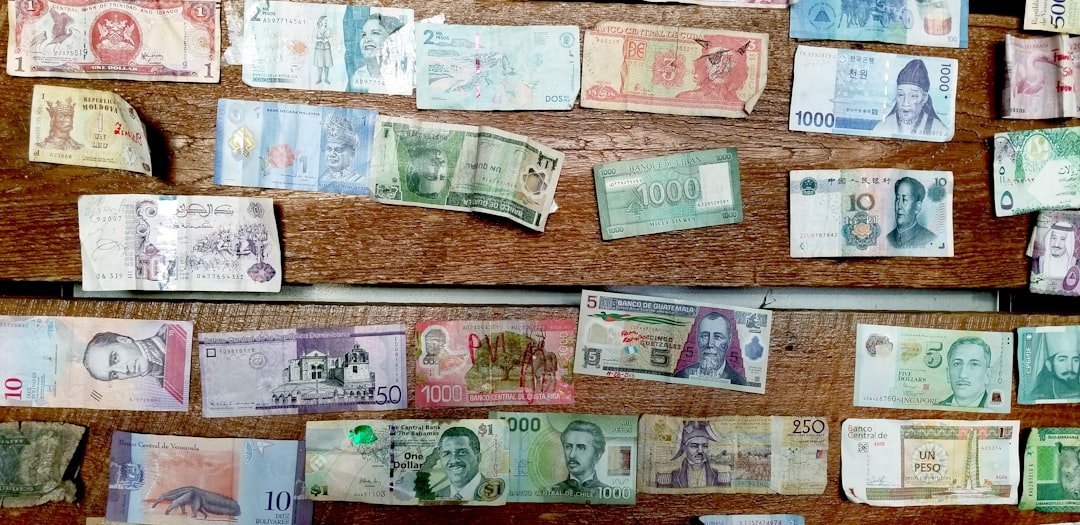
Remittances, the funds that migrants send back to their home countries, have become a significant financial lifeline for millions of families around the globe. These monetary transfers are often a result of individuals seeking better economic opportunities abroad, and they play a crucial role in the financial stability of many households in developing nations. According to the World Bank, remittances to low- and middle-income countries reached an estimated $540 billion in 2020, highlighting their importance as a source of income for families and communities.
The phenomenon of remittances is not merely a financial transaction; it embodies the emotional ties and social responsibilities that migrants maintain with their families and communities back home. The dynamics of remittances are complex, influenced by various factors such as migration patterns, economic conditions in both host and home countries, and the regulatory environment surrounding money transfers. As globalization continues to shape labor markets, the flow of remittances is expected to evolve, reflecting changes in migration trends and economic conditions.
Understanding the multifaceted nature of remittances is essential for grasping their impact on local economies, particularly in developing regions where these funds can significantly alter the socio-economic landscape.
Key Takeaways
- Remittances are the transfer of money by a foreign worker to an individual in their home country.
- Remittances play a crucial role in boosting local economies by increasing household income and consumption.
- Positive impacts of remittances include poverty reduction, improved access to education and healthcare, and investment in local businesses.
- Negative impacts of remittances can include dependency on foreign income, inflation, and potential neglect of local economic development.
- Remittances are vital for developing countries as they contribute to economic growth, stability, and poverty alleviation.
The Role of Remittances in Local Economies
Remittances serve as a vital source of income for many households, often surpassing foreign direct investment and official development assistance in terms of financial inflows. In many developing countries, these funds contribute significantly to national GDPs, providing a buffer against economic shocks and enhancing household consumption. The role of remittances extends beyond individual households; they stimulate local economies by increasing demand for goods and services.
For instance, when families receive remittances, they are more likely to invest in education, healthcare, and housing, which in turn supports local businesses and creates jobs. Moreover, remittances can enhance financial inclusion by encouraging recipients to engage with formal banking systems. As families receive regular transfers, they may open bank accounts or invest in savings products, fostering a culture of saving and financial planning.
This shift can lead to greater economic stability within communities, as families become less reliant on informal lending practices that often come with high-interest rates. The cumulative effect of these changes can be profound, as increased financial literacy and access to banking services can empower individuals and promote sustainable economic growth.
Positive Impacts of Remittances on Local Economies

The positive impacts of remittances on local economies are manifold. One of the most significant benefits is the reduction of poverty levels among recipient households. Studies have shown that remittance-receiving families often experience improved living standards, as they can afford better nutrition, healthcare, and education for their children.
For example, a study conducted in Mexico found that households receiving remittances were 25% less likely to live in extreme poverty compared to those that did not receive such funds. This financial support can lead to improved health outcomes and educational attainment, creating a ripple effect that benefits future generations. In addition to poverty alleviation, remittances can stimulate local entrepreneurship.
With additional capital at their disposal, recipients may choose to invest in small businesses or agricultural ventures. This entrepreneurial spirit can lead to job creation within communities, further enhancing economic resilience. For instance, in countries like Bangladesh and the Philippines, many migrants send money home specifically to start or expand family-owned businesses.
These enterprises not only provide employment opportunities but also contribute to local economic diversification, reducing reliance on a single industry or sector.
Negative Impacts of Remittances on Local Economies
| Negative Impacts of Remittances on Local Economies |
|---|
| 1. Decreased labor force participation |
| 2. Reduced investment in local businesses |
| 3. Dependency on external sources of income |
| 4. Inflation in local prices |
| 5. Disincentive for local economic development |
Despite their many benefits, remittances can also have negative impacts on local economies. One significant concern is the potential for dependency on these funds. In some cases, communities may become overly reliant on remittances as a primary source of income, which can stifle local economic development and innovation.
When families depend on external financial support rather than investing in local resources or skills development, it can create a cycle of dependency that hinders long-term growth prospects. Additionally, remittances can exacerbate income inequality within communities. While some families benefit significantly from the financial support provided by migrants, others may not have access to similar resources.
This disparity can lead to social tensions and divisions within communities, as those who receive remittances may enjoy a higher standard of living compared to those who do not. Furthermore, the influx of money from remittances can lead to inflationary pressures in local economies, driving up prices for goods and services and potentially making life more difficult for those who are not beneficiaries of these funds.
The Importance of Remittances in Developing Countries
In developing countries, remittances play an especially critical role in economic stability and growth. They often serve as a buffer against economic shocks such as natural disasters or global financial crises. For many families living in vulnerable conditions, remittances provide essential support that helps them navigate difficult times.
For instance, during the COVID-19 pandemic, many households relied on remittance inflows to cover basic needs when local economies faced unprecedented challenges. Moreover, remittances contribute significantly to national economies by bolstering foreign exchange reserves. Countries like India and Mexico rank among the top recipients of remittances globally, with these funds accounting for a substantial portion of their GDPs.
This influx of foreign currency can help stabilize national currencies and improve trade balances. Additionally, remittances often lead to increased consumer spending within local economies, further stimulating growth and development.
Challenges and Opportunities of Remittances for Local Economies

While remittances present numerous opportunities for local economies, they also come with challenges that need to be addressed. One major challenge is the high cost associated with sending money across borders. Despite advancements in technology and the emergence of digital payment platforms, many migrants still face exorbitant fees when transferring funds home.
According to the World Bank’s Remittance Prices Worldwide database, the average cost of sending $200 across borders remains around 6% globally—far above the target set by the G20 to reduce costs to 3%. These high fees can diminish the overall impact of remittances on recipient households. On the other hand, there are significant opportunities for innovation within the remittance sector.
The rise of fintech companies has led to more efficient and cost-effective ways for migrants to send money home. Digital wallets and mobile money services are becoming increasingly popular in many regions, allowing for instant transfers at lower costs. These technological advancements not only enhance accessibility but also promote financial inclusion among unbanked populations.
By leveraging technology to streamline remittance processes, stakeholders can maximize the positive impacts of these funds on local economies.
Policy Implications for Maximizing the Impact of Remittances
To fully harness the potential of remittances for local economic development, policymakers must implement strategies that address existing challenges while promoting positive outcomes. One key area for intervention is reducing transaction costs associated with money transfers. Governments can work with financial institutions and fintech companies to create competitive environments that drive down fees and improve service quality for migrants sending money home.
Additionally, enhancing financial literacy among recipients is crucial for maximizing the benefits of remittances. Educational programs that focus on budgeting, saving, and investing can empower families to make informed decisions about how they use these funds. By promoting responsible financial management practices, policymakers can help ensure that remittance inflows contribute to long-term economic stability rather than short-term consumption.
Furthermore, fostering an environment conducive to entrepreneurship is essential for leveraging remittances as a catalyst for local economic growth. Governments can provide support through access to credit facilities or training programs aimed at developing business skills among recipients. By encouraging investment in local enterprises, policymakers can help create jobs and stimulate economic diversification within communities.
The Future of Remittances and Local Economies
As globalization continues to shape migration patterns and economic landscapes worldwide, the future of remittances will likely evolve alongside these changes. The increasing prevalence of digital payment solutions presents both challenges and opportunities for maximizing the impact of these funds on local economies. By addressing existing barriers such as high transaction costs and promoting financial literacy among recipients, stakeholders can work towards creating an environment where remittances serve as a powerful tool for sustainable development.
In conclusion, while remittances have already proven their significance in supporting families and communities across the globe, there remains considerable potential for enhancing their impact on local economies—particularly in developing countries. Through strategic policy interventions and innovative solutions within the financial sector, it is possible to transform remittance flows into a driving force for economic growth and resilience in an ever-changing world.
FAQs
What are remittances?
Remittances are funds that are sent by individuals working abroad to their home country. These funds are typically sent to family members or friends to support their living expenses or to invest in local businesses or projects.
How do remittances shape local economies?
Remittances can have a significant impact on local economies by providing a source of income for families, stimulating consumer spending, and contributing to the overall economic development of the receiving country.
What are some of the ways in which remittances are used in local economies?
Remittances are often used to cover basic living expenses such as food, housing, and education. They can also be used to invest in small businesses, agriculture, or infrastructure projects, which can help create jobs and stimulate economic growth.
What are the potential benefits of remittances for local economies?
Remittances can help reduce poverty, improve access to education and healthcare, and promote entrepreneurship and economic development in receiving countries. They can also help stabilize the local currency and contribute to the overall stability of the economy.
Are there any potential drawbacks to the reliance on remittances in local economies?
While remittances can provide important financial support, they can also create dependency and reduce incentives for local governments to address structural issues such as unemployment and economic inequality. Additionally, fluctuations in remittance flows can impact the stability of local economies.