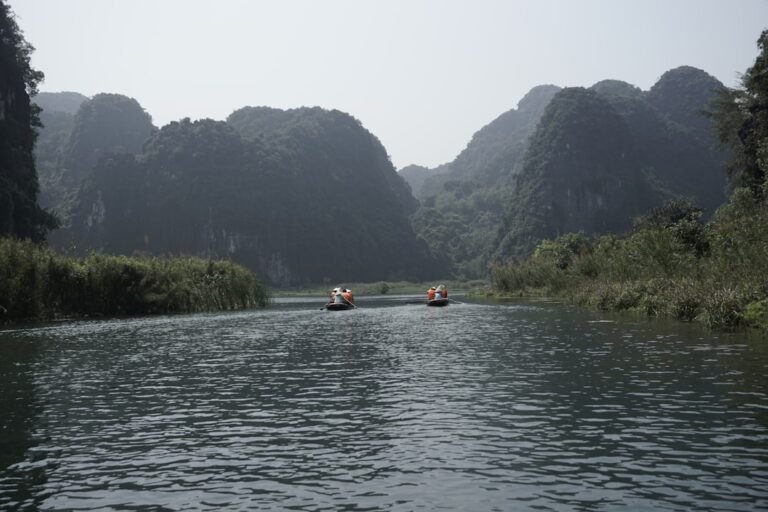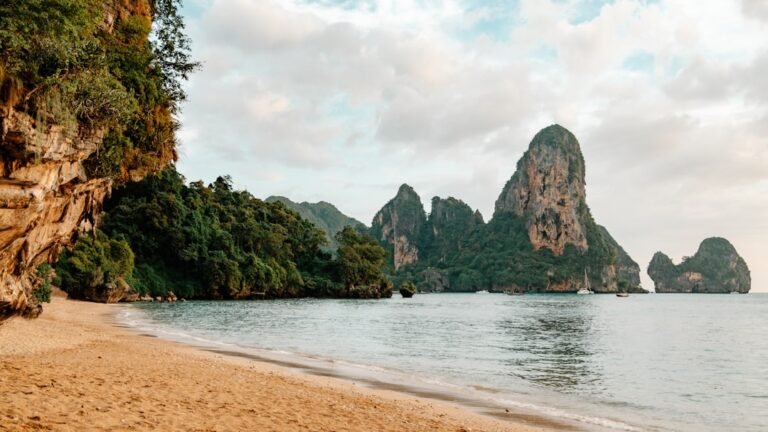
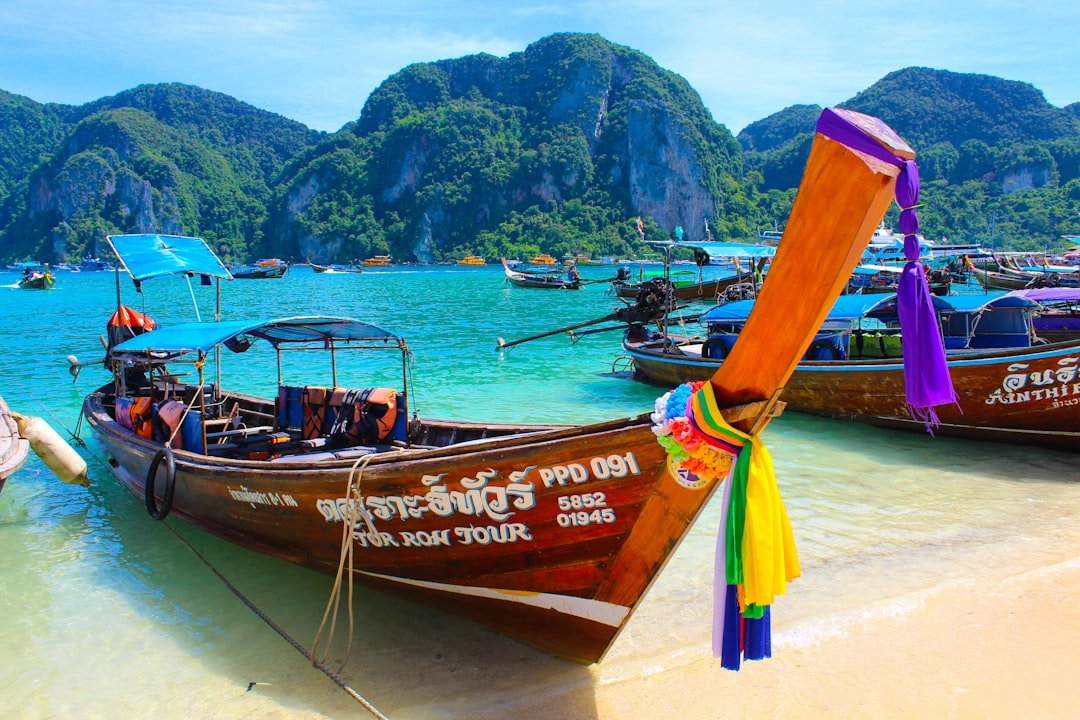
Southeast Asia comprises multiple countries that offer varied cultural experiences, geographical features, and historical sites at relatively low costs compared to other international destinations. The region includes nations with major urban centers such as Bangkok, Thailand, and popular tourist destinations like Bali, Indonesia, each presenting distinct travel opportunities and pricing structures. Effective budget travel planning in Southeast Asia involves systematic research of transportation networks, accommodation options, local food costs, and activity pricing across different countries.
Regional variations in currency exchange rates, seasonal pricing, and infrastructure development significantly impact overall travel expenses. This analysis examines cost-effective travel strategies for Southeast Asia, including transportation methods, lodging alternatives, dining options, and activity selection. The information provided applies to various traveler categories, from individual backpackers to families seeking economical travel solutions.
The following sections detail specific budget planning considerations and practical cost-reduction techniques for travel within the Southeast Asian region.
Choosing the Best Time to Visit Southeast Asia on a Budget
Timing is crucial when planning a budget trip to Southeast Asia. The region experiences distinct wet and dry seasons, which can significantly impact travel costs and experiences. Generally, the dry season, which runs from November to February, attracts the highest number of tourists, leading to inflated prices for flights and accommodations.
However, visiting during the shoulder seasons—March to May and September to October—can yield substantial savings while still offering favorable weather conditions. Traveling during the off-peak months can also enhance your experience by allowing you to explore popular attractions with fewer crowds. For instance, visiting Angkor Wat in Cambodia during the rainy season may mean dealing with occasional showers, but it also means fewer tourists and lush green surroundings.
Additionally, many local festivals occur during these shoulder months, providing an opportunity to immerse yourself in the local culture without the high costs associated with peak tourist seasons. By carefully selecting your travel dates, you can enjoy a more authentic experience while keeping your budget intact.
Budget-Friendly Transportation Options in Southeast Asia
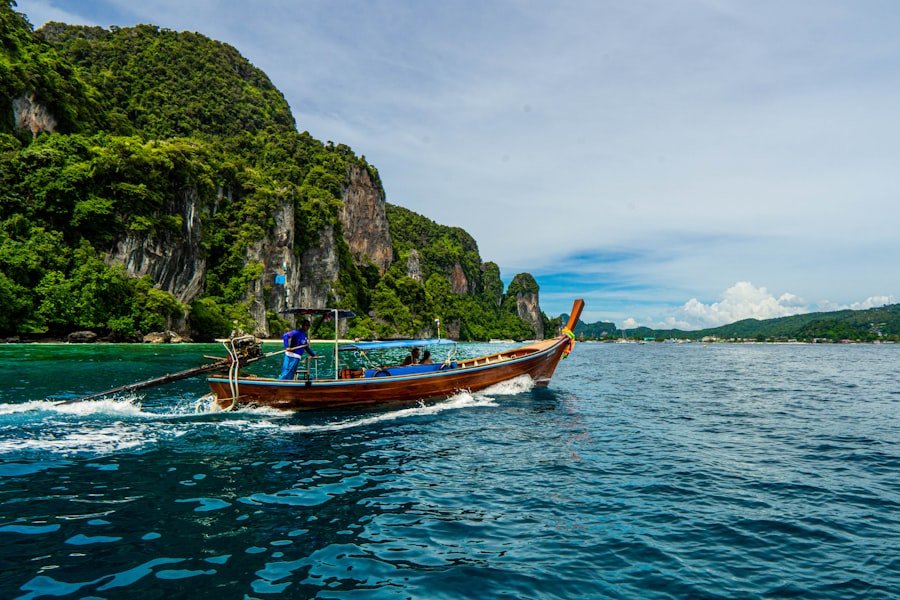
Navigating Southeast Asia on a budget is made easier by the plethora of affordable transportation options available. Buses are one of the most economical ways to travel between cities and countries. For example, long-distance buses in Thailand and Vietnam offer comfortable seating at a fraction of the cost of flights.
Companies like Mekong Express in Cambodia and The Transport Company in Thailand provide reliable services that connect major tourist destinations. In addition to buses, trains are another excellent option for budget travelers. Countries like Thailand and Malaysia have well-developed rail networks that offer scenic routes at reasonable prices.
The overnight sleeper trains in Thailand not only save on accommodation costs but also provide a unique travel experience as you glide through the countryside. For shorter distances within cities, public transportation systems such as tuk-tuks, jeepneys in the Philippines, and Grab rideshare services are affordable alternatives to taxis. By utilizing these budget-friendly transportation options, travelers can stretch their dollars further while exploring the diverse landscapes of Southeast Asia.
Affordable Accommodation Options in Southeast Asia
When it comes to finding budget accommodation in Southeast Asia, travelers are spoiled for choice. From hostels and guesthouses to homestays and budget hotels, there is something for every type of traveler. Hostels are particularly popular among backpackers due to their low prices and social atmosphere.
In cities like Hanoi and Bangkok, dormitory beds can be found for as little as $5 per night, making it easy to meet fellow travelers while keeping costs low. For those seeking a more local experience, homestays offer an opportunity to stay with families in rural areas or small towns. This not only provides affordable lodging but also allows travelers to engage with local culture and cuisine.
Websites like Airbnb and Booking.com feature numerous budget-friendly options that cater to various preferences. Additionally, many guesthouses offer discounts for longer stays or package deals that include meals or tours. By exploring these diverse accommodation options, travelers can find comfortable places to rest without straining their budgets.
Budget-Friendly Activities and Attractions in Southeast Asia
| Category | Estimated Cost | Tips | Examples |
|---|---|---|---|
| Accommodation | 10 – 25 per night | Use hostels, guesthouses, or budget hotels; consider dorm rooms | Hostels in Bangkok, Guesthouses in Hanoi |
| Food | 2 – 7 per meal | Eat street food and local markets for authentic and cheap meals | Pad Thai stalls, Pho vendors |
| Transportation | 5 – 20 per day | Use buses, trains, and budget airlines; book in advance for deals | Bus from Ho Chi Minh to Phnom Penh, budget flights within Thailand |
| Activities & Sightseeing | 0 – 15 per activity | Choose free walking tours, nature hikes, and low-cost attractions | Temples in Angkor Wat, beaches in Bali |
| Visa & Miscellaneous | 20 – 50 per country | Check visa requirements in advance; budget for sim cards and tips | Visa on arrival in Laos, SIM card in Malaysia |
| Daily Budget Estimate | 20 – 50 | Depends on travel style and countries visited | |
Southeast Asia is brimming with activities and attractions that cater to budget travelers. Many iconic sites have low entrance fees or are entirely free to visit. For instance, exploring the ancient temples of Bagan in Myanmar or wandering through the historic streets of Luang Prabang in Laos can be done at minimal cost.
National parks such as Khao Sok in Thailand offer breathtaking natural beauty and affordable trekking opportunities for those looking to immerse themselves in nature. Cultural experiences are also abundant and often inexpensive. Participating in local festivals or markets provides insight into the region’s rich traditions without requiring significant financial investment.
Cooking classes in Thailand or traditional dance performances in Bali can be found at reasonable prices and offer memorable experiences that go beyond typical tourist attractions. By prioritizing these budget-friendly activities, travelers can create lasting memories while keeping their expenses manageable.
Tips for Eating on a Budget in Southeast Asia
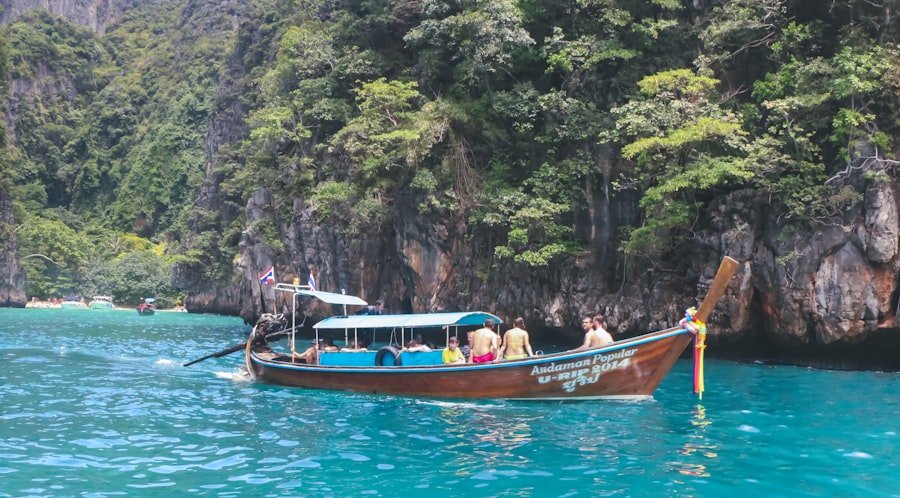
One of the highlights of traveling through Southeast Asia is undoubtedly its diverse culinary scene, which can be enjoyed on a budget. Street food is not only delicious but also incredibly affordable; a meal from a street vendor can cost as little as $1 or $2. Cities like Bangkok and Ho Chi Minh City are famous for their vibrant street food culture, where travelers can savor local dishes such as pad thai or pho without spending much.
Dining at local markets or food stalls is an excellent way to experience authentic flavors while saving money. Many markets offer communal seating where you can sample various dishes from different vendors at a fraction of restaurant prices. Additionally, opting for lunch instead of dinner can lead to significant savings, as many restaurants offer lunch specials at reduced rates.
By embracing local dining customs and exploring street food options, travelers can enjoy satisfying meals without straining their budgets.
Money-Saving Strategies for Shopping and Souvenirs in Southeast Asia
Shopping in Southeast Asia can be an exhilarating experience filled with vibrant markets and unique handicrafts; however, it’s essential to approach it with a budget-conscious mindset. Bargaining is a common practice in many markets across the region, particularly in countries like Thailand and Indonesia. Learning basic phrases in the local language can enhance your bargaining power and lead to better deals on souvenirs such as handmade textiles or traditional crafts.
Visiting local markets instead of tourist shops is another effective strategy for saving money while shopping. Markets often feature locally made products at lower prices than those found in commercial stores aimed at tourists. Additionally, consider purchasing items that are unique to the region—such as batik fabric from Indonesia or silver jewelry from Thailand—as these not only serve as memorable keepsakes but also support local artisans directly.
By employing these money-saving strategies, travelers can indulge in shopping while remaining mindful of their budgets.
Safety and Health Considerations for Budget Travelers in Southeast Asia
While traveling on a budget in Southeast Asia can be rewarding, it’s crucial to prioritize safety and health throughout your journey. Researching local customs and safety tips specific to each country is essential for ensuring a smooth experience. For instance, understanding how to navigate busy streets or being aware of common scams can help travelers avoid potential pitfalls.
Health considerations should also be taken seriously; staying hydrated and being cautious about food choices are vital for maintaining well-being while traveling. Carrying a basic first-aid kit with essentials such as antiseptics and medications for common ailments can save time and money during your trip. Additionally, investing in travel insurance is advisable for budget travelers; it provides peace of mind against unexpected medical expenses or trip cancellations.
By remaining vigilant about safety and health concerns, travelers can enjoy their adventures across Southeast Asia with confidence and ease.
FAQs
What is the best time to travel across Southeast Asia on a budget?
The best time to travel across Southeast Asia on a budget is during the shoulder seasons, typically from April to June and September to November. During these months, you can find lower prices on accommodation and flights, and the weather is generally favorable.
Which countries in Southeast Asia are the most budget-friendly?
Countries like Vietnam, Cambodia, Laos, and Indonesia are known for being particularly budget-friendly. They offer affordable accommodation, food, and transportation options compared to more tourist-heavy destinations like Singapore or Thailand.
How can I save money on accommodation while traveling in Southeast Asia?
To save money on accommodation, consider staying in hostels, guesthouses, or budget hotels. Booking in advance and using platforms like Airbnb or Agoda can also help you find good deals. Additionally, some travelers opt for homestays or Couchsurfing to reduce costs.
What are the cheapest modes of transportation in Southeast Asia?
The cheapest modes of transportation include buses, trains, and local ferries. In cities, tuk-tuks, motorbike taxis, and shared rides are affordable options. For longer distances, budget airlines often offer competitive prices if booked early.
How can I plan my itinerary to minimize travel costs?
Plan your itinerary by grouping destinations that are geographically close to each other to reduce transportation expenses. Use overland routes when possible and avoid backtracking. Research local transport options and schedules to optimize your travel plan.
Is it necessary to get travel insurance for a budget trip in Southeast Asia?
Yes, it is highly recommended to get travel insurance even on a budget trip. It provides coverage for medical emergencies, trip cancellations, and lost belongings, which can save you significant money and stress in case of unexpected events.
What are some tips for eating cheaply while traveling in Southeast Asia?
Eating at local markets, street food stalls, and small family-run restaurants is the best way to enjoy authentic cuisine at low prices. Avoid touristy areas where prices are inflated, and try local dishes that are both affordable and filling.
How can I stay safe while traveling on a budget in Southeast Asia?
Stay safe by keeping your belongings secure, avoiding isolated areas at night, and being cautious with your personal information. Use reputable transportation and accommodation services, and stay informed about local customs and travel advisories.
Do I need visas for traveling across Southeast Asia?
Visa requirements vary by country and your nationality. Some countries offer visa-free entry or visa-on-arrival for short stays, while others require advance visas. Check the specific visa policies for each country you plan to visit before your trip.
What should I pack for a budget trip across Southeast Asia?
Pack lightweight, breathable clothing suitable for tropical climates, comfortable walking shoes, a reusable water bottle, insect repellent, sunscreen, and a basic first aid kit. Bringing a universal power adapter and a secure daypack is also advisable.
About the Author