Thailand, often referred to as the “Land of Smiles,” is a country steeped in rich cultural heritage that reflects its long history and diverse influences. The essence of Thai culture is deeply rooted in Buddhism, which permeates various aspects of daily life, art, and architecture. Temples, known as “wats,” are not merely places of worship but also serve as repositories of art and history.
The intricate designs and vibrant colors of these structures tell stories of the past, showcasing the craftsmanship of generations. For instance, Wat Phra Kaew in Bangkok, home to the Emerald Buddha, is a prime example of how spirituality and artistry intertwine, drawing visitors from around the globe to marvel at its beauty. Beyond the temples, Thailand’s cultural heritage is also expressed through its traditional arts and crafts.
The country is renowned for its silk weaving, pottery, and wood carving, each region boasting its unique styles and techniques. The Jim Thompson House in Bangkok offers a glimpse into the world of Thai silk, where visitors can learn about the history of this luxurious fabric and its significance in Thai culture. Festivals such as Songkran and Loy Krathong further highlight the vibrancy of Thai traditions, where locals and tourists alike participate in water fights or float beautifully decorated krathongs on rivers, symbolizing the release of misfortunes.
These cultural practices not only preserve Thailand’s heritage but also foster a sense of community and belonging among its people.
Uncovering Hidden Gems in Phuket
While Phuket is often celebrated for its stunning beaches and vibrant nightlife, it also harbors a wealth of hidden gems waiting to be discovered. One such treasure is the quaint village of Ao Sane, a secluded spot known for its crystal-clear waters and vibrant coral reefs. Unlike the bustling Patong Beach, Ao Sane offers a tranquil escape where visitors can snorkel among colorful fish or simply relax on the rocky shores.
The journey to this hidden paradise involves navigating through winding roads, adding an element of adventure to the experience. The serenity found here is a stark contrast to the more commercialized areas of Phuket, making it a perfect retreat for those seeking solitude. Another lesser-known attraction is the island’s Old Town, where Sino-Portuguese architecture tells the story of Phuket’s trading past.
Walking through Thalang Road, visitors can admire the beautifully preserved buildings adorned with vibrant murals and shop at local boutiques selling handmade crafts. The Sunday Street Market is a highlight, where vendors offer an array of local delicacies and artisanal products. This cultural hub not only showcases Phuket’s history but also provides an opportunity to engage with local artisans and learn about their crafts.
Exploring these hidden gems allows travelers to connect with the authentic spirit of Phuket, far removed from the typical tourist trail.
Sampling Authentic Thai Cuisine
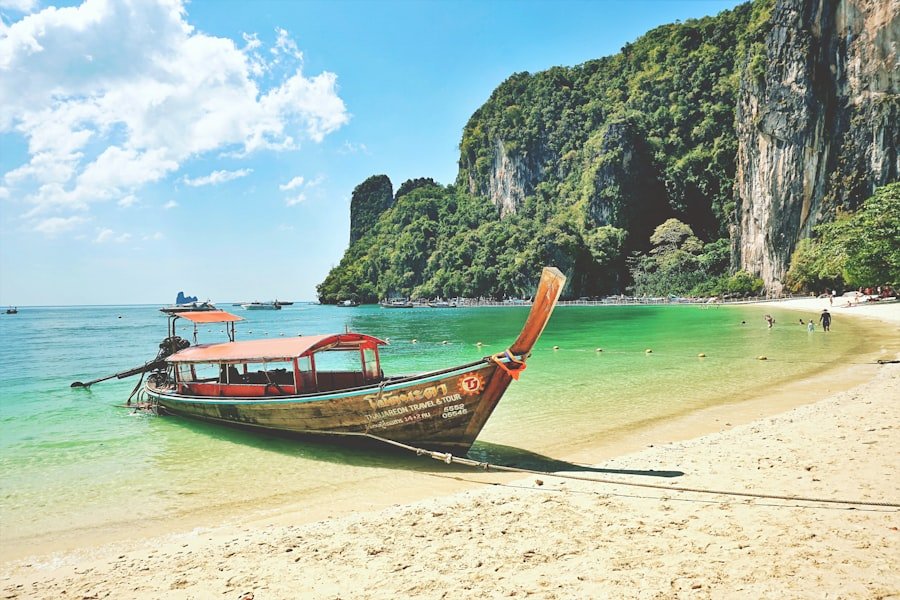
Thai cuisine is a culinary journey that tantalizes the taste buds with its bold flavors and aromatic ingredients. Each dish tells a story, reflecting the country’s diverse regions and cultural influences. A quintessential experience in Thailand involves sampling street food, where vendors serve up mouthwatering dishes like Pad Thai, Som Tum (green papaya salad), and Moo Pad Krapow (stir-fried basil pork).
The bustling streets of Phuket are lined with food stalls offering these delights, allowing visitors to indulge in authentic flavors while immersing themselves in the local atmosphere. The vibrant colors and enticing aromas create an unforgettable sensory experience that captures the essence of Thai culinary culture. For those seeking a deeper understanding of Thai cuisine, cooking classes are an excellent way to learn about traditional techniques and ingredients.
Many local chefs offer hands-on experiences where participants can shop for fresh produce at local markets before preparing classic dishes like Tom Yum Goong (spicy shrimp soup) or Massaman Curry. These classes not only teach valuable cooking skills but also provide insights into the cultural significance of each dish. The emphasis on balance—sweet, sour, salty, and spicy—reflects the philosophy behind Thai cooking, making it a delightful exploration of flavors that resonates with both locals and visitors alike.
Engaging in Adventure Activities in Phuket
Phuket is not just a destination for relaxation; it also offers a plethora of adventure activities that cater to thrill-seekers. One popular option is scuba diving in the Andaman Sea, where divers can explore vibrant coral reefs teeming with marine life. Sites like Racha Yai Island and Phi Phi Islands are renowned for their crystal-clear waters and diverse underwater ecosystems.
Diving schools provide training for beginners while experienced divers can embark on guided excursions to discover hidden underwater treasures. The thrill of encountering colorful fish and majestic sea turtles creates an exhilarating experience that leaves lasting memories. For those who prefer land-based adventures, zip-lining through the lush jungles of Phuket offers an adrenaline rush like no other.
Companies such as Flying Hanuman provide an exhilarating course that allows participants to soar above the treetops while enjoying breathtaking views of the island’s natural beauty. Additionally, ATV tours through rugged terrains provide an opportunity to explore hidden trails and remote areas that are often inaccessible by foot. Whether it’s navigating through dense forests or racing along sandy paths, these activities showcase Phuket’s diverse landscapes while satisfying the adventurous spirit.
Experiencing Traditional Thai Festivals
| Beach Name | Location | Best Time to Visit | Key Features | Activities | Accessibility |
|---|---|---|---|---|---|
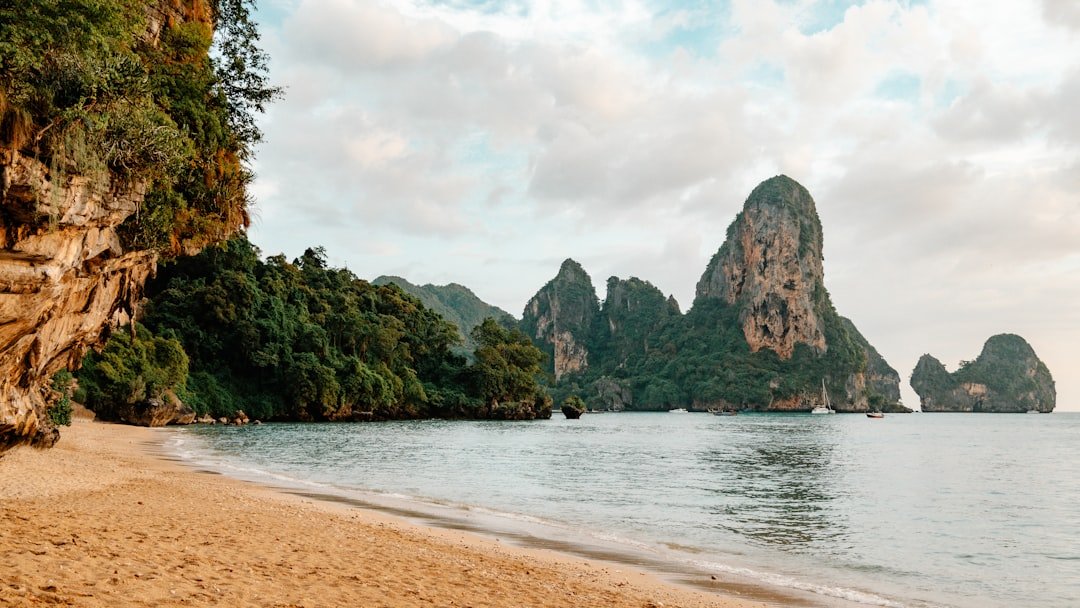
| Railay Beach | Krabi | November to March | Stunning limestone cliffs, clear waters | Rock climbing, snorkeling, kayaking | Boat from Ao Nang or Krabi |
| Koh Lipe | Satun Province | November to April | White sandy beaches, vibrant coral reefs | Diving, snorkeling, beach bars | Boat from Pak Bara Pier |
| Ao Nang Beach | Krabi | November to March | Long beach strip, lively town nearby | Boat tours, rock climbing, dining | Accessible by road |
| White Sand Beach | Koh Chang | November to February | Quiet, less crowded, soft white sand | Swimming, snorkeling, relaxing | Accessible by ferry and road |
| Haad Yuan Beach | Koh Phangan | December to March | Secluded, peaceful, natural beauty | Yoga, swimming, beach parties | Boat from Haad Rin or road |
| Sunrise Beach (Haad Rin Nok) | Koh Phangan | December to March | Famous for Full Moon Party, lively atmosphere | Parties, swimming, nightlife | Accessible by road and boat |
| Chaweng Beach | Koh Samui | December to April | Long sandy beach, vibrant nightlife | Water sports, dining, nightlife | Accessible by road |
| Mae Haad Beach | Koh Tao | February to April | Great snorkeling, calm waters | Snorkeling, diving, relaxing | Accessible by boat and road |
Thailand’s calendar is filled with vibrant festivals that celebrate its rich cultural heritage and religious traditions. One of the most significant events is Songkran, the Thai New Year festival celebrated in mid-April. This water festival marks the transition into the new year with joyous water fights taking place across cities and towns.
Locals and tourists alike take to the streets armed with water guns and buckets, splashing water on each other as a symbol of cleansing and renewal. In addition to the playful water battles, Songkran also involves visiting temples to pay respects to ancestors and participate in traditional rituals. Another captivating festival is Loy Krathong, celebrated on the full moon night of the twelfth lunar month.
During this enchanting event, people create beautiful krathongs—decorative floats made from banana leaves—and release them onto rivers and lakes as a way to pay homage to the water spirits. The sight of thousands of glowing krathongs drifting on water creates a magical atmosphere that captivates both participants and spectators. In Phuket, celebrations often include traditional dance performances, music, and fireworks, providing an immersive experience into Thai culture that resonates deeply with locals and visitors alike.
Visiting Local Markets and Artisan Villages
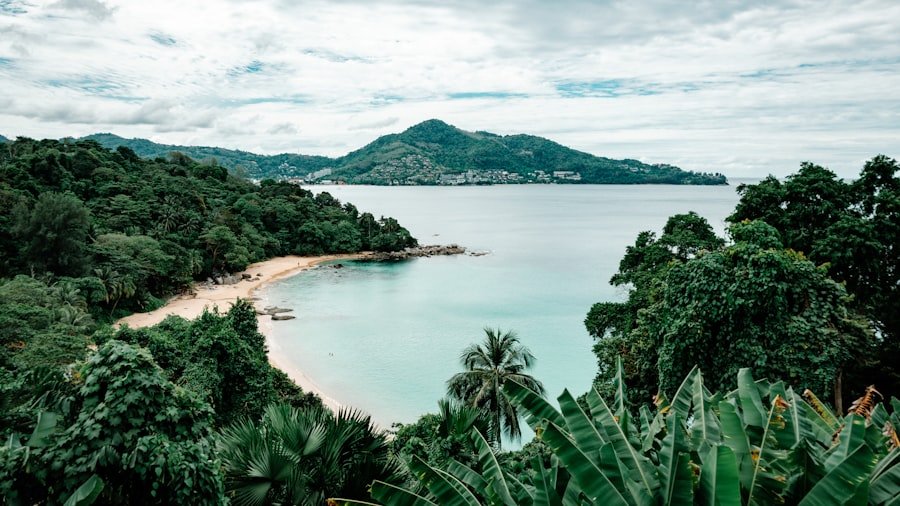
Exploring local markets in Thailand offers a unique glimpse into everyday life and provides an opportunity to support local artisans. In Phuket, markets such as Banzaan Fresh Market showcase an array of fresh produce, seafood, and spices that are integral to Thai cuisine. Wandering through the vibrant stalls filled with colorful fruits and vegetables allows visitors to engage with local vendors who are often eager to share their knowledge about their products.
Sampling fresh tropical fruits like mangosteen or rambutan adds an interactive element to the experience while highlighting Thailand’s agricultural bounty. Artisan villages are another treasure trove for those interested in traditional crafts. The village of Baan Teelanka is known for its unique maze-like structure made from recycled materials, where visitors can explore art installations while learning about sustainable practices.
Additionally, visiting workshops where artisans create intricate handicrafts such as pottery or silk weaving provides insight into age-old techniques passed down through generations. Engaging with these artisans not only fosters appreciation for their skills but also supports local economies by promoting handmade products that reflect Thailand’s cultural identity.
Immersing in Thailand’s Natural Beauty
Thailand’s natural beauty is nothing short of breathtaking, with diverse landscapes ranging from pristine beaches to lush jungles and majestic mountains. In Phuket, one can explore stunning viewpoints such as Promthep Cape or Karon Viewpoint, where panoramic vistas reveal the island’s coastline dotted with azure waters and verdant hillsides. These scenic spots are perfect for capturing memorable photographs or simply soaking in the tranquility of nature.
The sunsets viewed from these heights are particularly spectacular, casting golden hues over the horizon that create a magical ambiance. For those seeking adventure amidst nature, exploring national parks like Khao Phra Thaeo National Park offers opportunities for hiking through dense forests teeming with wildlife. Trails lead to hidden waterfalls where visitors can take refreshing dips in natural pools surrounded by lush greenery.
The park is home to various species of flora and fauna, making it a haven for nature enthusiasts and photographers alike. Engaging with Thailand’s natural beauty fosters a deeper connection to the environment while promoting conservation efforts that protect these precious ecosystems.
Learning about Phuket’s Rich History and Heritage
Phuket’s history is a tapestry woven from various influences—Sino-Portuguese architecture reflects its trading past while local legends add layers to its cultural narrative. The Thalang National Museum provides an insightful overview of Phuket’s history, showcasing artifacts from ancient times to modern-day developments. Exhibits highlight significant events such as the Tin Mining Era that shaped the island’s economy and attracted immigrants from China and Europe.
Understanding this historical context enriches visitors’ experiences as they explore the island’s landmarks. The historical significance of Old Town cannot be overstated; it serves as a living museum where every building tells a story. Walking tours led by knowledgeable guides offer insights into the architectural styles that define this area while sharing anecdotes about prominent figures who contributed to Phuket’s development.
Engaging with local historians or participating in cultural workshops allows visitors to delve deeper into Phuket’s heritage, fostering appreciation for its unique identity shaped by centuries of trade, migration, and cultural exchange.
FAQs
What are some popular beaches in Thailand besides Phuket?
Thailand offers many beautiful beaches beyond Phuket, including Railay Beach in Krabi, Koh Lipe in the south, Koh Chang in the east, and Hua Hin on the mainland. Each beach has its own unique charm and attractions.
Is it safe to visit beaches outside of Phuket in Thailand?
Yes, most beaches in Thailand outside of Phuket are safe for tourists. However, it is always advisable to follow local safety guidelines, be cautious of strong currents, and avoid isolated areas at night.
When is the best time to visit beaches in Thailand other than Phuket?
The best time to visit most Thai beaches is during the dry season, typically from November to April. This period offers sunny weather and calm seas, ideal for beach activities and water sports.
Are the beaches outside Phuket suitable for snorkeling and diving?
Many beaches beyond Phuket are excellent for snorkeling and diving. For example, Koh Tao is renowned for its diving spots, and Koh Lipe offers vibrant coral reefs and marine life.
How can I reach beaches in Thailand that are not in Phuket?
Beaches outside Phuket can be accessed by various means including domestic flights, buses, ferries, and boats. For instance, Railay Beach is reachable by boat from Krabi, while Koh Chang can be accessed via ferry from the mainland.
Are there family-friendly beaches in Thailand beyond Phuket?
Yes, several beaches outside Phuket are family-friendly, such as Hua Hin, which offers calm waters and various amenities suitable for children and families.
What activities can I do on beaches in Thailand other than Phuket?
Besides swimming and sunbathing, visitors can enjoy activities like snorkeling, scuba diving, kayaking, island hopping, and exploring nearby caves and national parks.
Do beaches outside Phuket have accommodation options?
Yes, many beaches beyond Phuket have a range of accommodation options, from budget hostels and guesthouses to luxury resorts, catering to different preferences and budgets.