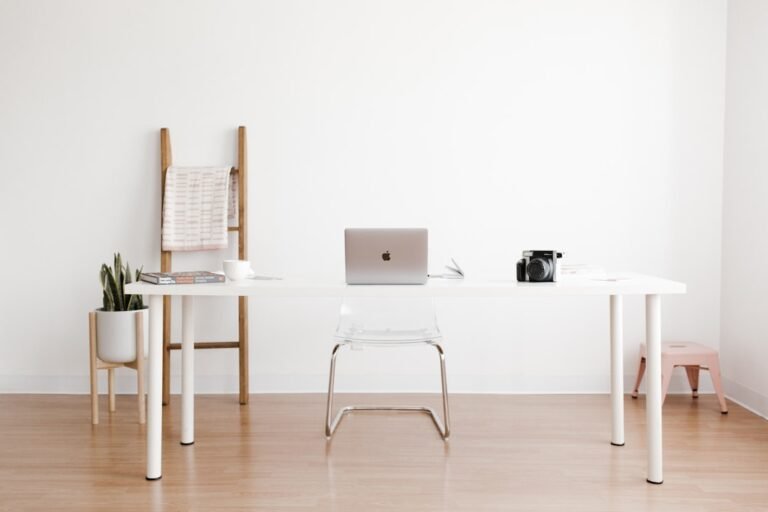
Maximizing Vertical Space for Enhanced Living Areas
Vertical space utilization is a key strategy for expanding living areas effectively. Walls represent underutilized real estate that can serve dual purposes of storage and decoration. Floor-to-ceiling shelving installations create efficient displays for books, plants, or decorative objects while conserving valuable floor space.
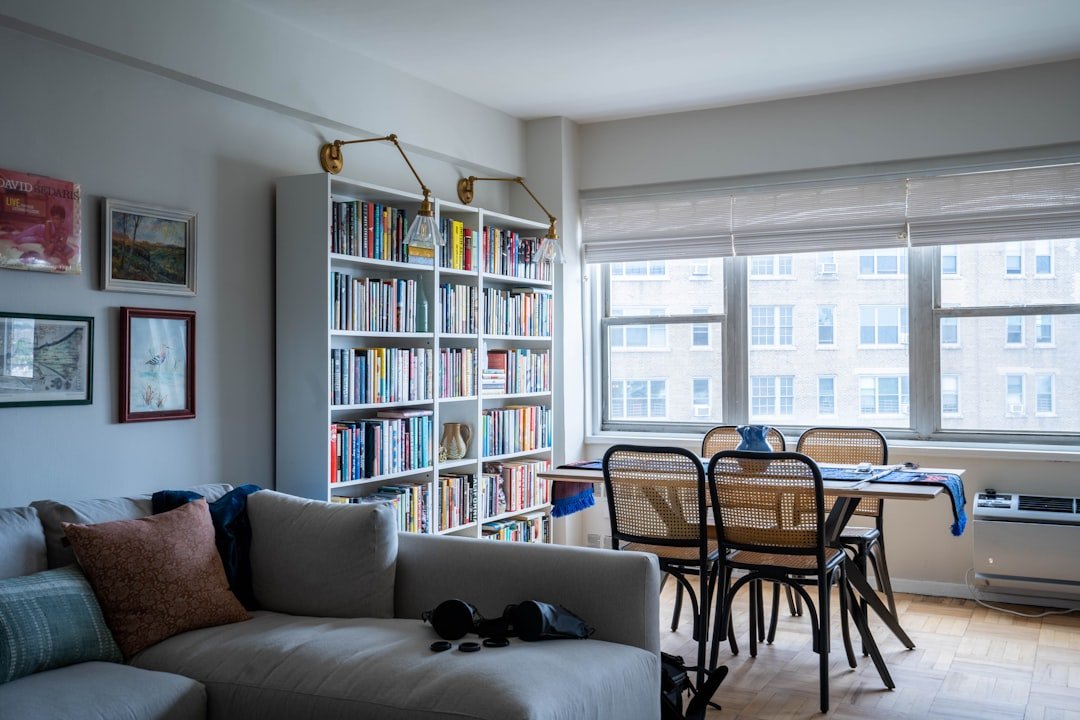
A living room featuring tall bookshelves provides substantial storage capacity while creating visual height, making the space appear larger. This approach is especially beneficial in compact apartments where spatial efficiency is essential. Wall-mounted furniture further enhances vertical space utilization.
Foldable wall desks and tables can create functional workspaces that don’t permanently occupy floor area. Kitchen organization benefits from ceiling-mounted racks for cookware, which both frees cabinet space and adds decorative elements. Vertical thinking allows homeowners to optimize spatial functionality and aesthetic appeal, creating an impression of openness particularly valuable in smaller living environments.
Multi-functional Furniture
The rise of urban living has led to an increased demand for multi-functional furniture that adapts to various needs without compromising style. This type of furniture is designed to serve multiple purposes, making it an ideal solution for those living in compact spaces. For example, a sofa bed can transform a living room into a guest bedroom with ease, allowing homeowners to accommodate visitors without the need for a dedicated guest room.
Similarly, ottomans that open up for storage can serve as both seating and a place to stow away blankets or magazines, effectively reducing clutter while enhancing comfort. Another innovative example is the dining table that doubles as a workspace. With the growing trend of remote work, many individuals find themselves needing a dedicated area for productivity.
A dining table that can be extended or reconfigured to suit different activities—whether it’s hosting dinner parties or working on a laptop—offers versatility that is invaluable in smaller homes. By investing in multi-functional furniture, residents can maximize their living spaces while ensuring that each piece serves a purpose, ultimately leading to a more organized and efficient home environment.
Clever Storage Solutions
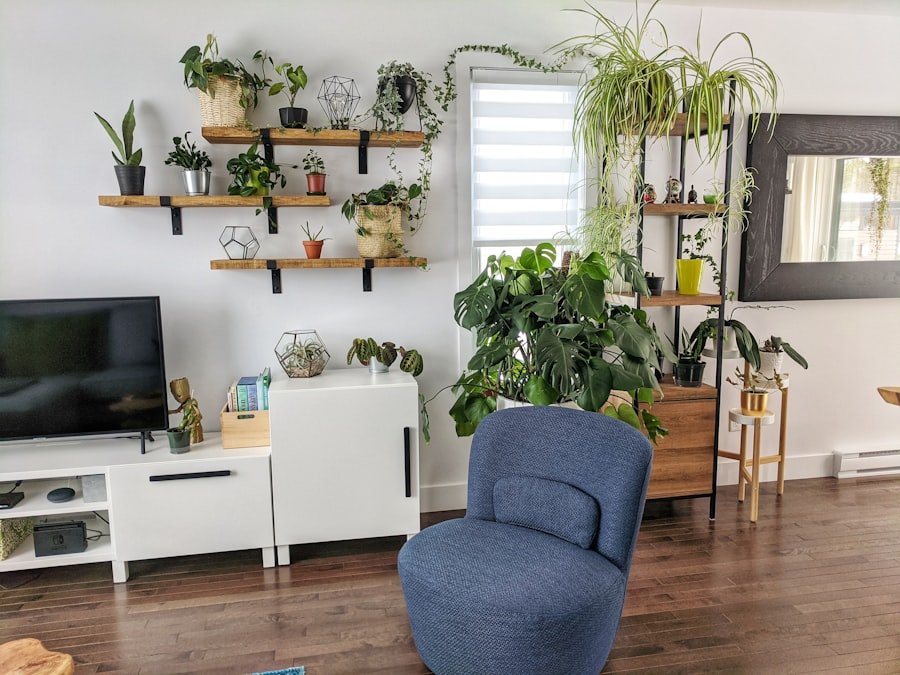
Clever storage solutions are essential for maintaining order in any home, particularly in spaces where square footage is limited. One effective approach is to utilize furniture with built-in storage capabilities. Beds with drawers underneath or coffee tables with hidden compartments can significantly reduce clutter by providing designated spaces for items that would otherwise be strewn about.
For instance, a platform bed with integrated storage can eliminate the need for bulky dressers, allowing for a streamlined look while keeping essentials within easy reach. Additionally, utilizing unconventional spaces for storage can yield surprising results. The area under staircases is often neglected; however, it can be transformed into a functional storage nook with the addition of custom shelving or cabinets.
Similarly, using the tops of cabinets or high shelves for seasonal items or less frequently used belongings can help keep living areas tidy. By thinking creatively about storage solutions, homeowners can create an organized environment that maximizes every inch of available space.
Decluttering Techniques
Decluttering is an essential practice for anyone looking to create a more organized and serene living environment. One effective technique is the “one in, one out” rule, which encourages individuals to remove an item from their home whenever they acquire something new. This method not only helps prevent accumulation but also fosters mindfulness about purchases and possessions.
For example, if someone buys a new pair of shoes, they should consider donating or discarding an old pair to maintain balance in their wardrobe. Another popular decluttering strategy is the KonMari method, developed by Marie Kondo. This approach emphasizes keeping only those items that “spark joy.” By evaluating possessions based on emotional connection rather than practicality alone, individuals can make more intentional decisions about what to keep and what to let go.
This process often leads to a more meaningful collection of belongings and creates a sense of peace within the home. Implementing these decluttering techniques can significantly enhance the overall atmosphere of a living space, making it feel more open and inviting.
Creating Zones
| Tip | Description | Benefit | Example |
|---|---|---|---|
| Use Vertical Storage | Utilize wall shelves, tall bookcases, and hanging organizers to maximize vertical space. | Increases storage without taking up floor space. | Install floating shelves above desks or beds. |
| Multi-functional Furniture | Choose furniture that serves more than one purpose, such as sofa beds or storage ottomans. | Reduces clutter and saves space. | Sofa with hidden storage compartments. |
| Declutter Regularly | Keep only essential items and donate or discard unused belongings. | Maintains a tidy and spacious environment. | Monthly review of clothes and accessories. |
| Use Light Colors | Paint walls and choose furniture in light shades to create an illusion of space. | Makes the room feel larger and more open. | White or pastel wall paint. |
| Optimize Under-bed Storage | Use bins or drawers under the bed to store seasonal items or extra bedding. | Utilizes often overlooked space efficiently. | Rolling storage boxes under the bed. |
| Keep Surfaces Clear | Limit items on tables and countertops to essentials only. | Reduces visual clutter and enhances organization. | Use wall-mounted racks instead of countertop spice jars. |
| Use Mirrors | Place mirrors strategically to reflect light and create a sense of depth. | Enhances natural light and makes space appear larger. | Large mirror opposite a window. |
Creating distinct zones within an open-concept space is crucial for enhancing functionality and flow. In homes where rooms blend into one another, establishing boundaries through furniture arrangement or decorative elements can help define different areas for specific activities. For instance, placing a rug under a dining table can visually separate the dining area from the living space, providing clarity and purpose to each zone.
This technique not only improves organization but also enhances the overall aesthetic by creating visual interest. In addition to rugs, using furniture placement strategically can delineate zones effectively. A sofa positioned to face away from the kitchen can create a cozy living area while subtly separating it from the cooking space.
Incorporating plants or bookshelves as dividers can further enhance this effect without obstructing light or airflow. By thoughtfully creating zones within an open layout, homeowners can cultivate an environment that feels both spacious and functional, allowing for various activities to coexist harmoniously.
Utilizing Underutilized Spaces
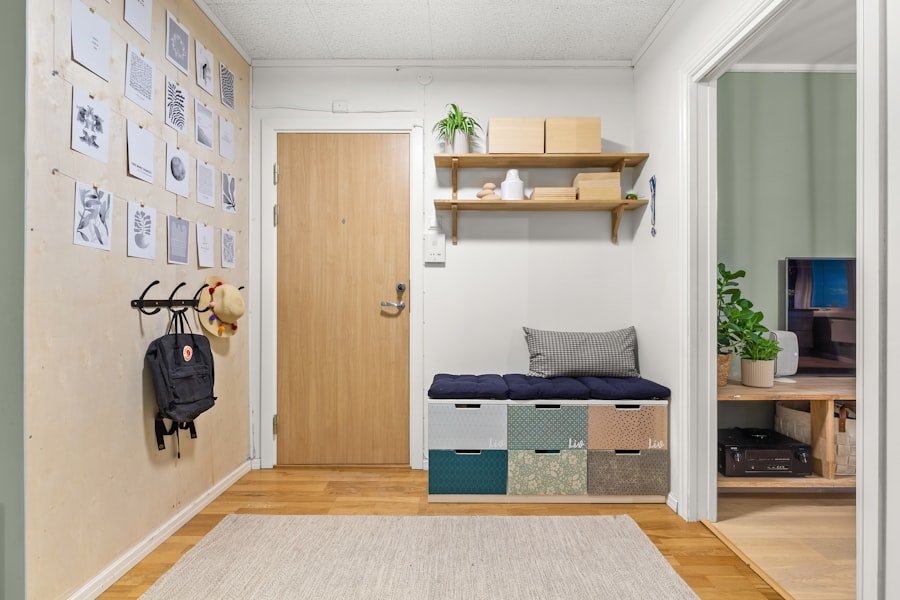
Many homes contain underutilized spaces that hold untapped potential for functionality and organization. Areas such as hallways, corners, and even the tops of cabinets can be transformed into valuable storage or display areas with some creativity and planning. For example, narrow hallways can be fitted with slim shelving units that provide space for books or decorative items without encroaching on walkways.
This not only maximizes storage but also adds character to otherwise overlooked areas. Another often-neglected space is the corner of a room. Corner shelves or L-shaped desks can make use of these awkward spots while providing additional surface area for work or display.
In kitchens, utilizing the vertical space above countertops with hanging racks or wall-mounted organizers can free up counter space and keep essential items within easy reach. By identifying and repurposing underutilized spaces throughout the home, residents can enhance both functionality and aesthetics while creating a more organized environment.
Maximizing Natural Light
Natural light plays a significant role in creating an inviting and spacious atmosphere within any home. Maximizing this resource involves strategic choices in window treatments and color palettes. Opting for sheer curtains instead of heavy drapes allows sunlight to filter through while maintaining privacy.
Additionally, using light colors on walls and furnishings can reflect light rather than absorb it, making rooms feel brighter and more open. For instance, painting walls in soft whites or pale pastels can create an airy ambiance that enhances the overall perception of space. Incorporating mirrors is another effective way to amplify natural light within a home.
Placing mirrors opposite windows allows them to reflect sunlight throughout the room, creating an illusion of depth and brightness. This technique is particularly beneficial in smaller spaces where light may be limited. Furthermore, strategically positioning mirrors in hallways or entryways can enhance the flow of light throughout the home while adding visual interest to these transitional areas.
Incorporating Mirrors
Mirrors are not only functional but also serve as powerful design elements that can transform the perception of space within a home. Their reflective properties allow them to create an illusion of depth and openness, making even the smallest rooms feel larger and more inviting. For example, placing a large mirror on one wall of a narrow hallway can visually expand the space while also brightening it by reflecting light from nearby windows.
In addition to their spatial benefits, mirrors can also enhance decor by serving as focal points or accent pieces. A beautifully framed mirror above a fireplace or in an entryway adds elegance and sophistication while drawing attention to the surrounding decor. Layering mirrors with other decorative elements—such as artwork or plants—can create dynamic visual compositions that add character to any room.
By thoughtfully incorporating mirrors into interior design, homeowners can achieve both aesthetic appeal and practical benefits that contribute to a more spacious and inviting atmosphere.
FAQs
What are some effective tips for organizing small living spaces?
Some effective tips include using multifunctional furniture, maximizing vertical storage, decluttering regularly, utilizing under-bed storage, and keeping frequently used items easily accessible.
How can multifunctional furniture help in small living spaces?
Multifunctional furniture, such as sofa beds, storage ottomans, and foldable tables, helps save space by serving more than one purpose, reducing the need for additional pieces.
Why is vertical storage important in small spaces?
Vertical storage makes use of wall space, freeing up floor area and helping to keep items organized and off surfaces, which makes the room feel less cluttered.
How often should I declutter my small living space?
Regular decluttering is recommended, ideally every few months, to prevent accumulation of unnecessary items and maintain an organized environment.
What are some storage solutions for under-bed areas?
Under-bed storage bins, drawers, or rolling containers are great for storing seasonal clothing, shoes, or extra bedding, making use of otherwise wasted space.
How can I keep small living spaces tidy on a daily basis?
Establishing daily habits like putting items back in their designated places, cleaning up immediately after use, and limiting the number of items brought into the space can help maintain tidiness.
Is it helpful to use clear containers for storage in small spaces?
Yes, clear containers allow you to see the contents easily, which helps in quickly finding items and maintaining organization without opening multiple boxes.
Can color coordination aid in organizing small living spaces?
Color coordination can create a visually cohesive and calming environment, making the space appear more organized and less chaotic.
What role do labels play in organizing small spaces?
Labels help identify the contents of storage containers or shelves quickly, reducing the time spent searching for items and encouraging consistent organization.
Are there any digital tools that can assist with organizing small living spaces?
Yes, apps for inventory management, to-do lists, and space planning can help track belongings, plan layouts, and maintain organization efficiently.