
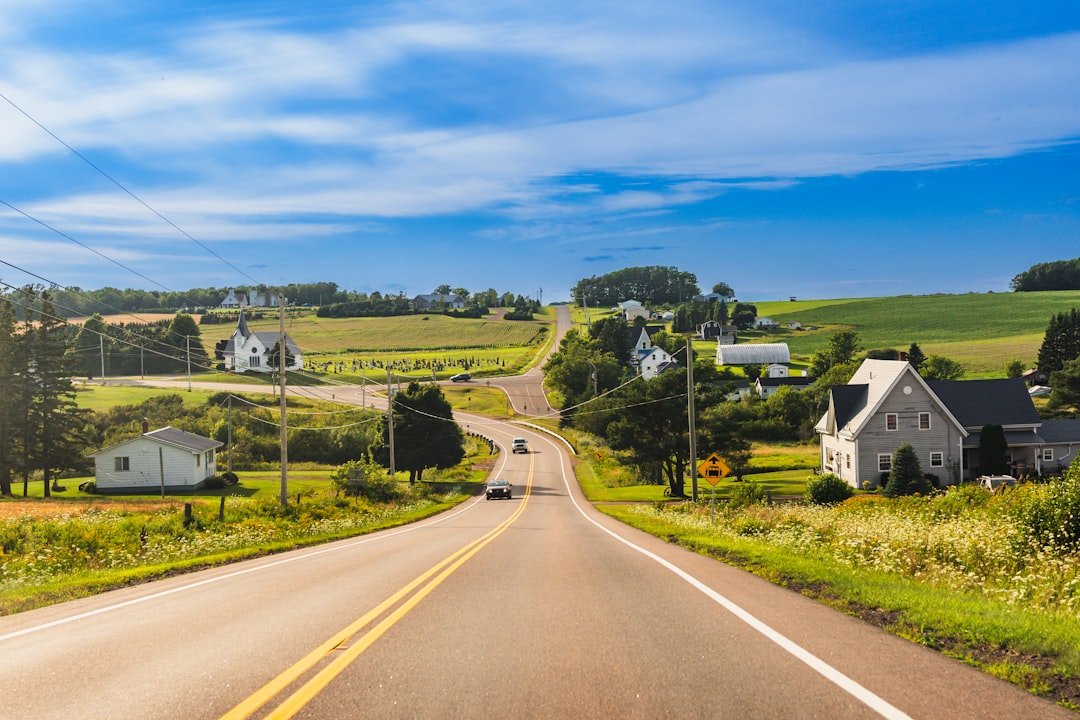
The dichotomy between urban and rural lifestyles has long been a subject of fascination and debate. Urban living, characterized by bustling cities, towering skyscrapers, and a fast-paced environment, offers a unique set of experiences and opportunities. In contrast, rural living is often associated with open spaces, close-knit communities, and a slower pace of life.
Each lifestyle presents its own advantages and challenges, influencing everything from health and wellness to social interactions and economic opportunities. Understanding these differences is crucial for individuals contemplating a move or simply seeking to appreciate the nuances of their current living situation. Urban areas are typically marked by their density and diversity, attracting individuals from various backgrounds and cultures.
This melting pot of ideas and lifestyles can foster innovation and creativity, making cities vibrant hubs of activity. Conversely, rural areas often provide a sense of tranquility and connection to nature that urban environments may lack. The choice between these two lifestyles is not merely a matter of preference; it can significantly impact one’s overall quality of life.
As we delve deeper into the health, social, and economic aspects of urban and rural living, it becomes evident that both lifestyles offer distinct benefits that cater to different needs and aspirations.
Health and Wellness Benefits of Urban Living
Urban living can significantly enhance health and wellness through access to a wide array of healthcare facilities and services. Cities are often home to advanced medical centers, specialized clinics, and a plethora of health professionals. This accessibility ensures that residents can receive timely medical attention, preventive care, and specialized treatments that may not be readily available in rural areas.
For instance, urban dwellers can benefit from cutting-edge research institutions that offer clinical trials for new medications or therapies, providing them with options that might not exist elsewhere. Moreover, urban environments often promote active lifestyles through the availability of parks, recreational facilities, and fitness centers. The presence of bike lanes, walking paths, and public transportation encourages residents to engage in physical activities as part of their daily routines.
Cities like Copenhagen have successfully integrated cycling into their urban infrastructure, leading to healthier populations with lower rates of obesity and related diseases. The convenience of accessing fitness resources can motivate individuals to prioritize their health, contributing to overall well-being.
Health and Wellness Benefits of Rural Living
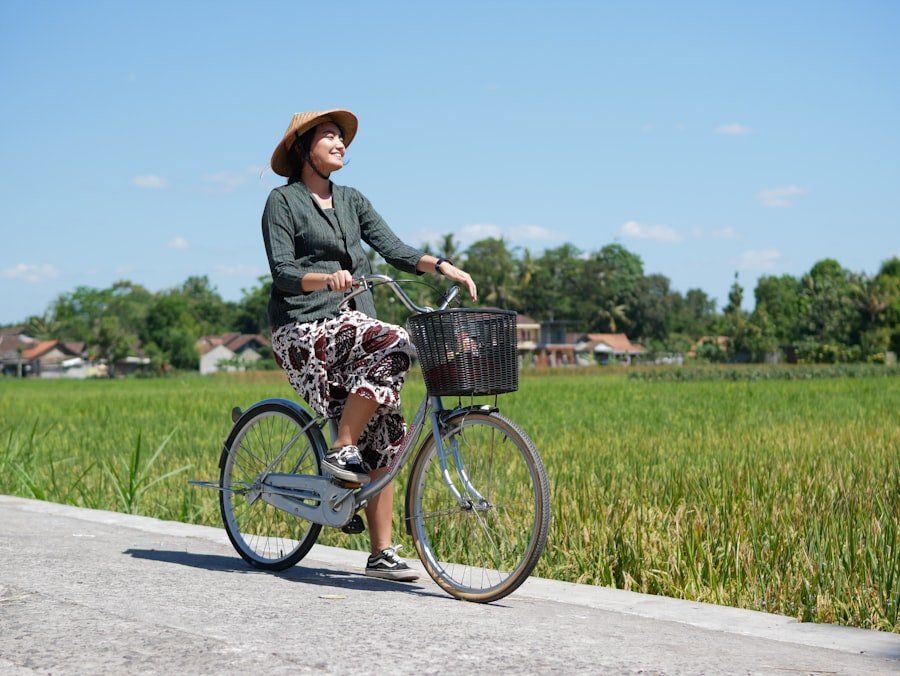
In contrast to the urban landscape, rural living offers its own unique health benefits that stem from a closer connection to nature. Studies have shown that exposure to green spaces can reduce stress levels, improve mood, and enhance overall mental health. The serene environment found in rural areas allows individuals to engage in outdoor activities such as hiking, gardening, or simply enjoying the tranquility of their surroundings.
This natural setting can foster mindfulness and promote a sense of peace that is often harder to achieve in the hustle and bustle of city life. Additionally, rural communities tend to have lower levels of pollution compared to urban centers. The cleaner air quality can lead to fewer respiratory issues and other health problems associated with environmental toxins.
Furthermore, the slower pace of life in rural areas can contribute to reduced stress levels, allowing individuals to focus on their well-being without the constant pressures often found in urban settings. The emphasis on community support in rural areas also plays a role in mental health; strong social ties can provide emotional support during challenging times.
Social and Community Benefits of Urban Living
Urban living fosters a dynamic social environment where individuals can connect with diverse groups of people. The sheer density of cities creates opportunities for social interactions that are less common in rural settings. Cultural events, festivals, art exhibitions, and concerts abound in urban areas, providing residents with numerous avenues for engagement and entertainment.
This vibrant social scene can lead to the formation of friendships and networks that enrich one’s life experience. Moreover, cities often serve as melting pots of culture and ideas, allowing residents to learn from one another’s experiences. Exposure to different perspectives can broaden one’s worldview and foster empathy among individuals from various backgrounds.
For example, cities like New York or London are renowned for their multicultural environments where people from all walks of life coexist. This diversity not only enhances social interactions but also encourages collaboration and innovation across various fields.
Social and Community Benefits of Rural Living
| Aspect | Urban Lifestyle Benefits | Rural Lifestyle Benefits |
|---|---|---|
| Access to Healthcare | More hospitals and specialized medical services | Closer relationships with local healthcare providers |
| Employment Opportunities | Diverse job market with higher-paying positions | Opportunities in agriculture, small businesses, and crafts |
| Education | Access to universities, colleges, and specialized schools | Smaller schools with more personalized attention |
| Cost of Living | Generally higher housing and living expenses | Lower housing costs and overall expenses |
| Environment | More pollution and noise, limited green spaces | Cleaner air, natural surroundings, and open spaces |
| Social Life | More entertainment options and cultural events | Close-knit communities and stronger social bonds |
| Transportation | Extensive public transport and infrastructure | Less traffic, but limited public transport options |
| Safety | Higher crime rates in some areas | Generally lower crime rates and safer neighborhoods |
Rural living is often synonymous with strong community ties and a sense of belonging that can be harder to find in urban environments. In smaller towns or villages, residents frequently know their neighbors personally, fostering a supportive atmosphere where individuals look out for one another. This close-knit community structure can lead to increased feelings of safety and security, as well as a greater sense of responsibility towards one’s neighbors.
Additionally, rural areas often emphasize communal activities that strengthen social bonds. Events such as local fairs, farmers’ markets, or community service projects provide opportunities for residents to come together and engage in shared experiences. These gatherings not only promote social interaction but also reinforce local traditions and values.
The sense of community found in rural settings can be particularly beneficial for families raising children, as it creates an environment where children can grow up surrounded by supportive adults who contribute positively to their development.
Economic and Career Benefits of Urban Living

The economic landscape in urban areas is typically more robust than in rural regions, offering a plethora of job opportunities across various industries. Cities are often the epicenters of commerce, technology, finance, and creative sectors, attracting businesses that seek access to a large workforce and consumer base. This concentration of industries means that individuals living in urban environments have greater access to diverse career paths and professional growth opportunities.
Moreover, urban areas tend to offer higher salaries compared to their rural counterparts due to the increased cost of living and demand for skilled labor. For instance, tech hubs like Silicon Valley provide lucrative positions for software engineers and data scientists that may not be available in less populated regions. Additionally, the networking opportunities available in cities can be invaluable for career advancement; attending industry conferences or networking events allows professionals to connect with potential employers or collaborators.
Economic and Career Benefits of Rural Living
While rural areas may not boast the same level of economic activity as urban centers, they offer unique advantages that can appeal to certain individuals seeking a different lifestyle. One significant benefit is the lower cost of living associated with rural living. Housing prices are generally more affordable in these regions, allowing residents to purchase larger homes or land without incurring crippling debt.
This financial flexibility can lead to a higher quality of life for families or individuals looking for space to grow. Additionally, remote work has become increasingly viable due to advancements in technology, allowing individuals in rural areas to tap into job markets that were previously inaccessible. Many companies now embrace flexible work arrangements that enable employees to work from anywhere with an internet connection.
This shift has opened doors for rural residents who wish to pursue careers in fields such as marketing, writing, or software development while enjoying the benefits of a quieter lifestyle.
Finding the Right Lifestyle for You
The choice between urban and rural living ultimately hinges on individual preferences and priorities. Each lifestyle presents distinct advantages that cater to different needs—whether it be the vibrant social scene and career opportunities found in cities or the tranquility and community spirit prevalent in rural areas. As society continues to evolve with technological advancements and changing work dynamics, the lines between these two lifestyles may blur further.
Ultimately, understanding the nuances of both urban and rural living can empower individuals to make informed decisions about their lifestyles. Whether one seeks the excitement of city life or the peace found in the countryside, recognizing what truly matters—be it career aspirations, health considerations, or social connections—will guide them toward finding the right fit for their unique circumstances.
FAQs
What are the main differences between urban and rural lifestyles?
Urban lifestyles are typically characterized by access to more amenities, job opportunities, and public services, while rural lifestyles often offer a closer connection to nature, lower population density, and a slower pace of life.
What are the benefits of living in an urban area?
Benefits of urban living include better access to healthcare, education, entertainment, diverse job markets, public transportation, and social opportunities.
What are the benefits of living in a rural area?
Rural living benefits include cleaner air, less noise pollution, more open space, stronger community ties, lower cost of living, and opportunities for outdoor activities.
How does the cost of living compare between urban and rural areas?
Generally, the cost of living is higher in urban areas due to housing, transportation, and daily expenses, whereas rural areas tend to have lower housing costs and overall expenses.
Are there differences in health outcomes between urban and rural residents?
Yes, urban residents often have better access to healthcare facilities, but may face higher stress and pollution levels. Rural residents may experience fewer environmental pollutants but can face challenges accessing medical care.
How do social opportunities differ between urban and rural lifestyles?
Urban areas offer more diverse social, cultural, and recreational activities, while rural areas often provide closer-knit communities with stronger personal relationships.
What impact does lifestyle have on mental health in urban vs. rural settings?
Urban living can lead to increased stress due to noise, crowding, and fast pace, but also offers more mental health resources. Rural living may reduce stress from environment but can lead to isolation and limited access to mental health services.
Is transportation a significant difference between urban and rural lifestyles?
Yes, urban areas typically have extensive public transportation systems, reducing the need for personal vehicles, whereas rural areas often require private transportation due to limited public transit options.
How do employment opportunities vary between urban and rural areas?
Urban areas generally provide a wider range of job opportunities across various industries, while rural areas may have limited employment options, often focused on agriculture, manufacturing, or small businesses.
Can lifestyle preferences influence the choice between urban and rural living?
Absolutely. Individuals seeking convenience, diversity, and fast-paced environments may prefer urban living, while those valuing tranquility, nature, and community may choose rural lifestyles.
About the Author