In the ever-evolving landscape of mobile technology, the distinction between budget and flagship smartphones has become increasingly pronounced. Budget smartphones are designed to cater to consumers who prioritize affordability without sacrificing essential features, while flagship devices represent the pinnacle of innovation, often showcasing the latest advancements in technology. The choice between these two categories is not merely a matter of price; it encompasses a range of factors including performance, design, and user experience.
As consumers navigate this complex market, understanding the nuances between budget and flagship smartphones becomes crucial for making informed purchasing decisions. The smartphone market is characterized by a diverse array of options, with manufacturers vying for consumer attention through competitive pricing and innovative features. Budget smartphones typically range from $100 to $400, offering basic functionalities that meet the needs of everyday users.
In contrast, flagship smartphones often command prices exceeding $800, reflecting their advanced capabilities and premium materials. This article delves into the various aspects that differentiate these two categories, providing insights that can help potential buyers determine which type of smartphone aligns best with their needs and lifestyle.
Price and Value Comparison
When it comes to price, budget smartphones are undeniably more accessible to a broader audience. These devices are often equipped with essential features such as decent cameras, adequate processing power, and satisfactory battery life, making them suitable for users who primarily engage in basic tasks like browsing the web, social media, and messaging. For instance, models like the Moto G Power or the Samsung Galaxy A32 offer impressive value for their price points, delivering reliable performance without breaking the bank.
The affordability of these devices allows consumers to invest in other areas of their lives while still enjoying the benefits of modern technology. On the other hand, flagship smartphones justify their higher price tags through superior build quality, cutting-edge technology, and enhanced performance capabilities. Devices such as the Apple iPhone 14 Pro or the Samsung Galaxy S23 Ultra come equipped with advanced processors, high-resolution displays, and premium materials that contribute to a more luxurious user experience.
While the initial investment may be significant, many users find that the longevity and performance of flagship devices provide a better long-term value. For example, flagship phones often receive software updates for several years, ensuring that users can enjoy the latest features and security enhancements without needing to upgrade frequently.
Design and Build Quality
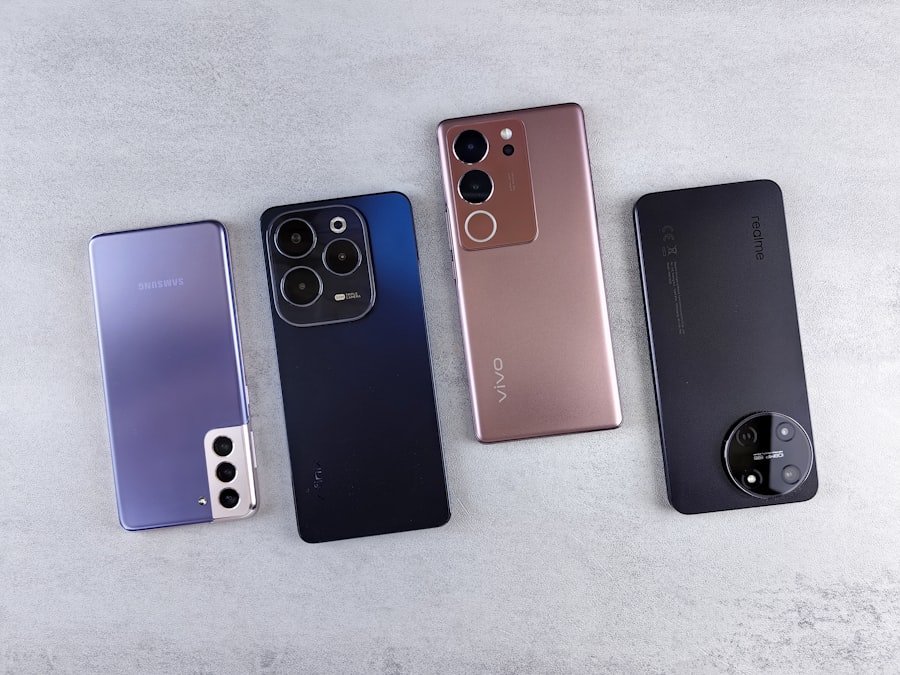
The design and build quality of smartphones play a pivotal role in user satisfaction and overall experience. Budget smartphones often utilize plastic materials to keep costs down, resulting in a more utilitarian aesthetic. While this may not appeal to everyone, many budget devices still manage to incorporate attractive designs that resonate with consumers.
For instance, the OnePlus Nord N200 features a sleek design with a modern finish that belies its budget-friendly price tag. However, users may notice that these devices lack some premium features found in higher-end models, such as water resistance or high-quality glass finishes. In stark contrast, flagship smartphones are typically crafted from premium materials such as glass and aluminum, giving them a more sophisticated appearance and feel.
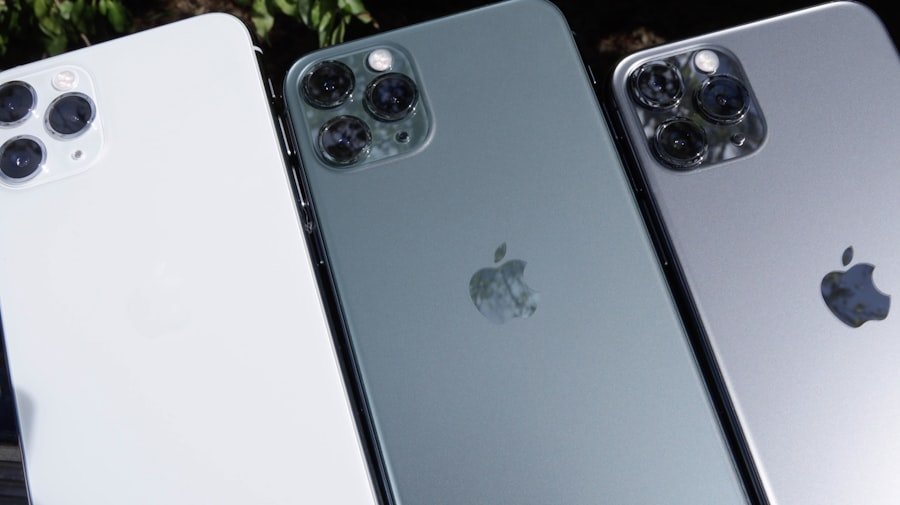
The attention to detail in design is evident in devices like the Google Pixel 7 Pro or the Samsung Galaxy Z Fold 4, which not only look stunning but also offer enhanced durability. Flagship models often undergo rigorous testing for factors like drop resistance and water ingress protection, ensuring that they can withstand daily wear and tear. This commitment to quality not only enhances the aesthetic appeal but also contributes to a sense of reliability that many consumers seek in their devices.
Performance and Hardware
Performance is one of the most critical factors distinguishing budget smartphones from their flagship counterparts. Budget devices typically feature mid-range processors that can handle everyday tasks with ease but may struggle with more demanding applications or multitasking scenarios. For example, a smartphone powered by a Qualcomm Snapdragon 662 processor may perform adequately for social media browsing and video streaming but could lag when running resource-intensive games or applications.
Users who primarily engage in basic tasks may find these devices sufficient; however, power users may quickly outgrow their capabilities. Flagship smartphones are equipped with top-of-the-line processors that deliver exceptional performance across a wide range of applications. Devices like the Apple A16 Bionic chip or Qualcomm Snapdragon 8 Gen 2 provide lightning-fast processing speeds and improved energy efficiency, allowing users to run multiple applications simultaneously without experiencing slowdowns.
Additionally, flagship models often come with higher RAM configurations, further enhancing their multitasking capabilities. This level of performance is particularly beneficial for gamers or professionals who rely on their devices for productivity tasks such as video editing or graphic design.
Camera Quality and Features
| Feature | Budget Smartphones | Flagship Smartphones |
|---|---|---|
| Price Range | Under 300 | 700 and above |
| Processor | Mid-range or entry-level processors | High-end, latest generation processors |
| Display Quality | LCD or lower resolution AMOLED | High-resolution AMOLED or OLED with higher refresh rates |
| Camera | Basic camera setups, fewer lenses | Advanced multi-lens systems with better sensors and features |
| Build Material | Plastic or lower quality materials | Premium materials like glass and metal |
| RAM | 3GB to 6GB | 8GB to 16GB or more |
| Storage | 32GB to 128GB | 128GB to 1TB |
| Software Updates | Limited or slower updates | Regular and timely updates |
| Battery Capacity | 3000mAh to 4500mAh | 4000mAh to 5000mAh with fast charging |
| Additional Features | Basic sensors, limited extras | Advanced features like wireless charging, water resistance, stereo speakers |
In recent years, camera quality has become a significant selling point for smartphones across all price ranges. Budget smartphones often feature decent camera systems that can capture satisfactory images in good lighting conditions but may struggle in low-light environments or when faced with challenging photographic scenarios. For instance, while a budget device may include a dual-camera setup with basic features like portrait mode and HDR, it may lack advanced functionalities such as optical zoom or night mode that enhance photography experiences.
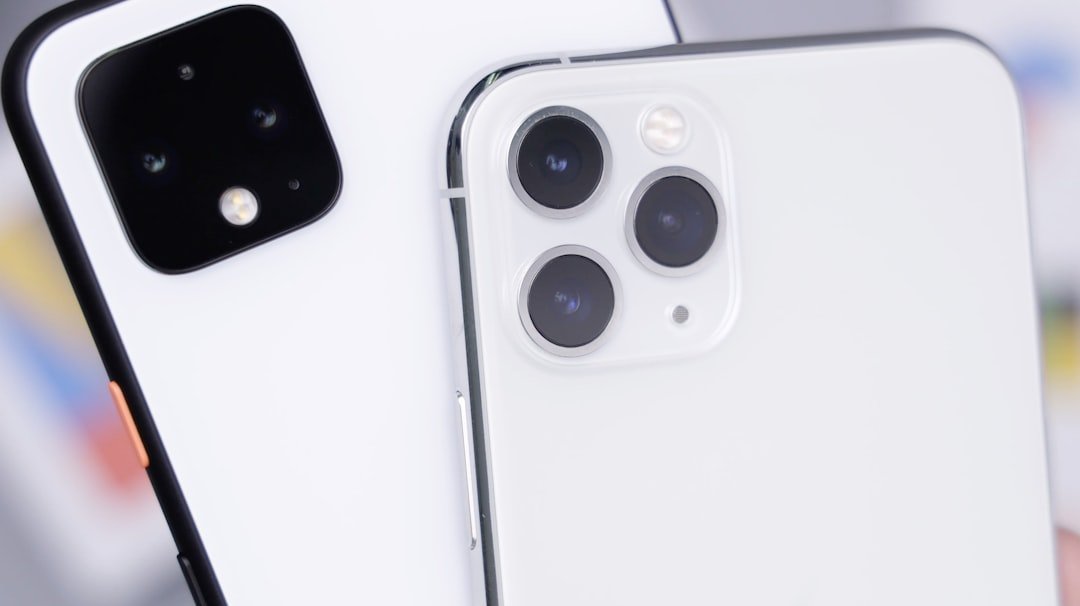
Flagship smartphones excel in this area by incorporating advanced camera technologies that cater to photography enthusiasts and casual users alike. High-end models often boast multiple lenses with varying focal lengths, allowing for versatile shooting options. For example, the iPhone 14 Pro features a triple-camera system with ultra-wide, wide, and telephoto lenses, enabling users to capture stunning images in diverse settings.
Additionally, flagship devices frequently include sophisticated software enhancements such as computational photography techniques that improve image quality through AI-driven algorithms. This results in sharper images with better dynamic range and color accuracy, making flagship smartphones the preferred choice for those who prioritize photography.
Display and Screen Technology
The display is another critical aspect where flagship smartphones tend to outshine budget models. Budget devices typically feature LCD panels that provide adequate brightness and color reproduction but may fall short in terms of resolution and refresh rates. For example, a budget smartphone might offer a Full HD display (1080p) but lack the vibrant colors and deep blacks associated with OLED technology.
Users may notice that viewing angles are limited and outdoor visibility can be compromised under direct sunlight. In contrast, flagship smartphones often utilize cutting-edge display technologies such as OLED or AMOLED panels that deliver superior visual experiences. These displays offer deeper blacks, more vibrant colors, and higher contrast ratios compared to traditional LCDs.
Additionally, many flagship models feature high refresh rates—up to 120Hz or even 144Hz—resulting in smoother scrolling and improved responsiveness during gaming or general navigation. Devices like the Samsung Galaxy S23 Ultra exemplify this trend with their stunning QHD+ AMOLED displays that provide an immersive viewing experience for media consumption and gaming alike.
Software and User Experience
The software experience on smartphones can significantly influence user satisfaction and overall functionality. Budget smartphones often run on customized versions of Android that may lack some of the features found in flagship models or may not receive timely updates. While manufacturers strive to provide a smooth user experience, budget devices may come preloaded with bloatware or less optimized software environments that can hinder performance over time.
Flagship smartphones typically offer a more refined software experience with regular updates and support from manufacturers. For instance, Google’s Pixel series is renowned for its clean Android interface and prompt software updates directly from Google, ensuring users have access to the latest features and security patches. Additionally, flagship devices often include exclusive software enhancements that leverage their advanced hardware capabilities—such as improved AI features for voice assistants or enhanced gaming modes—that elevate the overall user experience.
Making the Right Choice for You
Choosing between a budget smartphone and a flagship device ultimately depends on individual needs and preferences. For users who prioritize affordability and basic functionality—such as casual browsing or social media engagement—a budget smartphone can provide excellent value without unnecessary frills. However, those who seek cutting-edge technology, superior performance, and enhanced features may find that investing in a flagship smartphone is worthwhile in the long run.
As consumers weigh their options in this dynamic market, it is essential to consider factors such as intended use cases, budget constraints, and personal preferences regarding design and features. By understanding the differences between budget and flagship smartphones across various dimensions—price, performance, camera quality, display technology, and software experience—individuals can make informed decisions that align with their unique lifestyles and requirements.
FAQs
What defines a budget smartphone?
A budget smartphone is typically an affordable mobile device designed to offer essential features and functionality at a lower price point. These phones often have modest specifications, such as less powerful processors, lower-resolution cameras, and simpler displays, making them accessible to a wider range of consumers.
What is a flagship smartphone?
A flagship smartphone is a high-end device released by a manufacturer that showcases the latest technology, premium materials, and advanced features. Flagship phones usually have top-tier processors, high-resolution cameras, superior displays, and additional functionalities that set them apart from other models.
How do budget and flagship smartphones differ in performance?
Flagship smartphones generally have more powerful processors, higher RAM capacity, and better graphics capabilities, resulting in smoother multitasking, faster app loading, and enhanced gaming experiences. Budget smartphones have more basic hardware, which may lead to slower performance under heavy usage.
Are there differences in camera quality between budget and flagship smartphones?
Yes, flagship smartphones typically feature advanced camera systems with higher megapixel counts, better sensors, optical image stabilization, and enhanced software for improved photo and video quality. Budget smartphones usually have simpler camera setups that perform adequately in good lighting but may struggle in low-light conditions.
Do budget smartphones have shorter software support compared to flagship models?
Generally, flagship smartphones receive longer and more frequent software updates, including operating system upgrades and security patches. Budget smartphones may have limited update support, which can affect device longevity and security over time.
Is the build quality different between budget and flagship smartphones?
Flagship smartphones often use premium materials such as glass and metal, offering a more refined and durable build. Budget smartphones commonly use plastic or lower-cost materials, which can affect the device’s feel and durability.
How do displays compare between budget and flagship smartphones?
Flagship smartphones usually have higher-resolution displays with better color accuracy, brightness, and refresh rates, providing a superior viewing experience. Budget smartphones tend to have lower-resolution screens with standard refresh rates and less vibrant colors.
Are battery life and charging speeds different between budget and flagship smartphones?
Battery capacity can vary widely in both categories, but flagship smartphones often support faster charging technologies and sometimes wireless charging. Budget smartphones may have decent battery life but typically lack advanced charging features.
Which type of smartphone is better for gaming and multimedia?
Flagship smartphones are better suited for gaming and multimedia due to their powerful processors, high-quality displays, and superior audio capabilities. Budget smartphones can handle casual gaming and media consumption but may not deliver the same level of performance or visual quality.
Can budget smartphones meet the needs of average users?
Yes, budget smartphones are designed to meet the needs of average users who require basic functionality such as calling, texting, web browsing, and social media. They offer good value for everyday tasks without the higher cost of flagship models.
About the Author