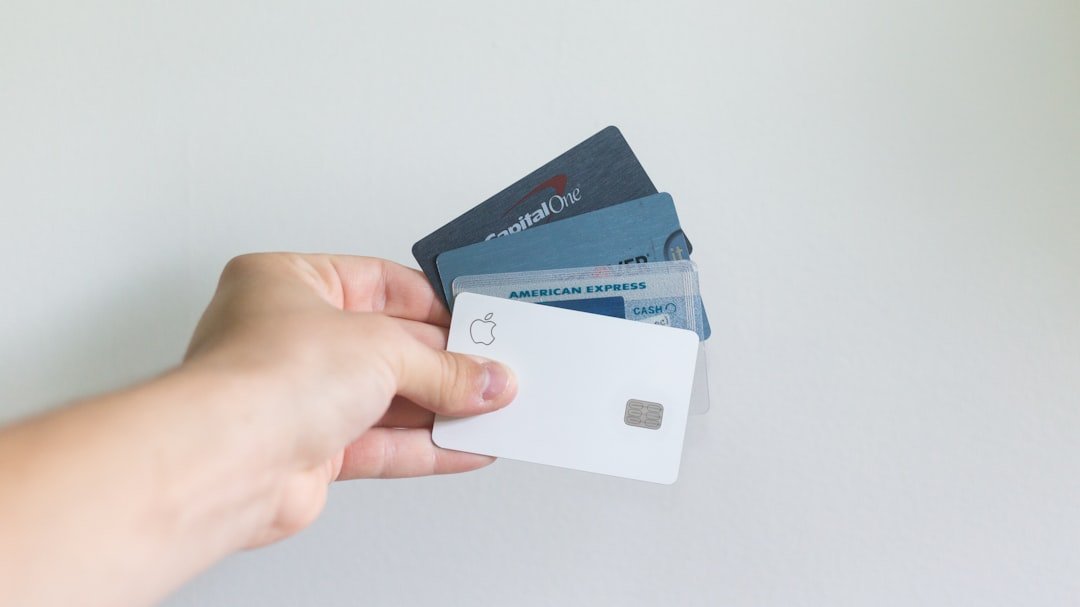
Debit and credit cards are ubiquitous in modern financial transactions, serving as essential tools for managing personal finances. While they may appear similar at first glance, they operate on fundamentally different principles. A debit card is directly linked to a checking account, allowing users to spend only the money they have deposited.
This means that when a purchase is made, the funds are immediately deducted from the account, providing a straightforward way to manage spending and avoid debt. In contrast, a credit card allows users to borrow money up to a predetermined limit, which they are expected to pay back, typically on a monthly basis. This borrowing capability can facilitate larger purchases and provide a safety net in emergencies, but it also introduces the potential for debt accumulation if not managed wisely.
The distinction between these two types of cards extends beyond their operational mechanics; it also encompasses their impact on personal finance and credit history. Debit cards do not influence credit scores since they do not involve borrowing. Therefore, while they can help with budgeting and spending discipline, they do not contribute to building a credit history.
Credit cards, on the other hand, play a crucial role in establishing and maintaining a credit score, which is vital for future financial endeavors such as securing loans or mortgages. Understanding these fundamental differences is essential for consumers as they navigate their financial choices.
How Debit Cards Work
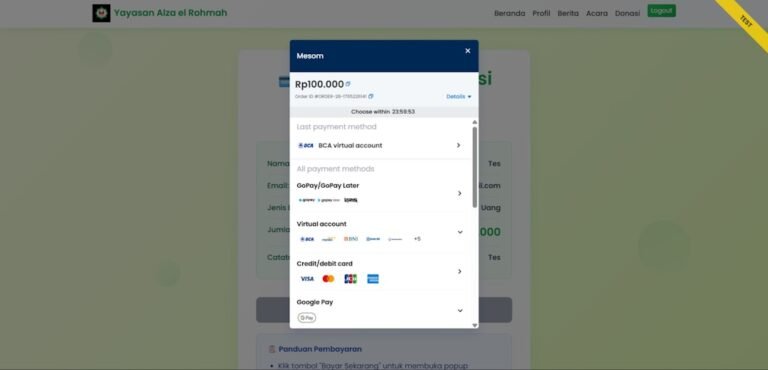
When a consumer uses a debit card, the transaction process is relatively straightforward. Upon swiping or inserting the card at a point-of-sale terminal or entering the card details online, the payment system communicates with the bank that holds the user’s checking account. The bank verifies that sufficient funds are available and then authorizes the transaction.
This immediate verification ensures that users can only spend what they have in their account, effectively preventing overdrafts unless they have opted into an overdraft protection service. Debit cards often come with additional features that enhance their usability. Many debit cards are equipped with contactless payment technology, allowing users to make quick transactions by simply tapping their card against a compatible terminal.
Furthermore, debit cards can be used for online purchases, bill payments, and even ATM withdrawals. Some banks also offer rewards programs for debit card usage, although these are typically less generous than those associated with credit cards. Overall, debit cards provide a convenient and efficient way to manage day-to-day expenses without the risk of incurring debt.
How Credit Cards Work
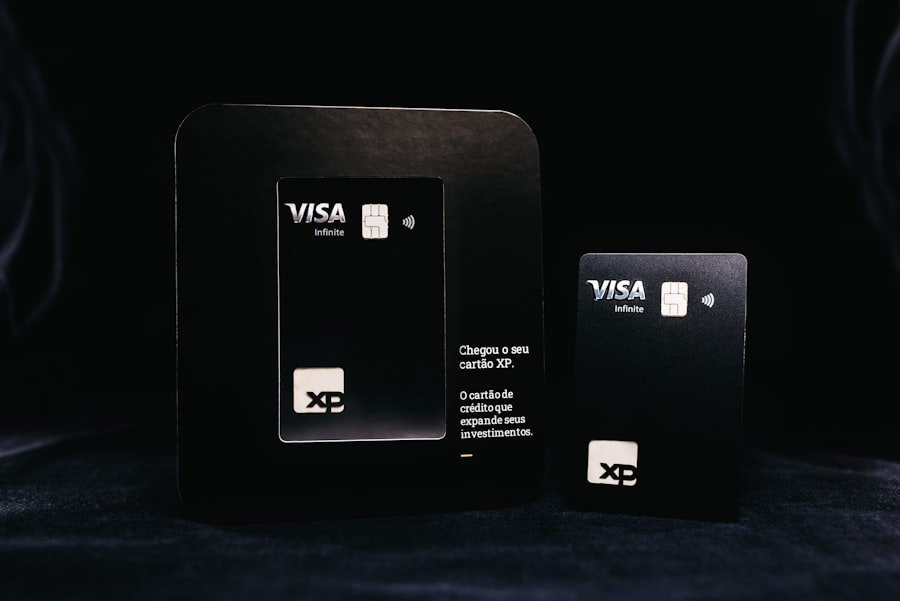
Credit cards operate on a different financial model that revolves around borrowing. When a consumer uses a credit card, they are essentially taking out a short-term loan from the card issuer up to a specified credit limit. This limit is determined based on various factors, including the individual’s creditworthiness, income level, and payment history.
After making a purchase with a credit card, the user is required to repay the borrowed amount within a designated billing cycle, usually ranging from 28 to 31 days. The flexibility of credit cards allows users to make larger purchases without immediate financial strain. For instance, if someone needs to buy a new appliance or pay for an unexpected medical expense, using a credit card can provide immediate access to funds that may not be readily available in their checking account.
However, this convenience comes with responsibilities; if the balance is not paid in full by the due date, interest charges begin to accrue on the remaining balance. These interest rates can be quite high, often exceeding 20% annually, which can lead to significant debt if not managed properly.
Pros and Cons of Debit Cards
Debit cards offer several advantages that appeal to consumers seeking simplicity and control over their finances. One of the most significant benefits is the ability to avoid debt entirely; since users can only spend what they have in their checking account, there is no risk of overspending or accruing interest charges. This feature makes debit cards an excellent choice for individuals who prefer to stick to a strict budget or those who may struggle with impulse spending.
However, debit cards also come with certain drawbacks. One notable concern is the lack of fraud protection compared to credit cards. If a debit card is lost or stolen, unauthorized transactions can directly deplete the user’s bank account before they have a chance to report it.
While many banks offer some level of fraud protection, it may not be as comprehensive as that provided by credit card companies. Additionally, debit cards do not help build credit history; therefore, individuals looking to improve their credit scores may find them less beneficial in the long run.
Pros and Cons of Credit Cards
| Feature | Debit Card | Credit Card |
|---|---|---|
| Source of Funds | Directly linked to checking or savings account | Borrowed money from credit card issuer |
| Spending Limit | Limited to available account balance | Pre-set credit limit assigned by issuer |
| Interest Charges | No interest charges | Interest charged on unpaid balances |
| Fees | Usually low or no fees | May include annual fees, late fees, and others |
| Impact on Credit Score | No impact | Can build or damage credit score |
| Fraud Protection | Limited protection, funds withdrawn immediately | Stronger protection, disputed charges can be delayed |
| Rewards and Benefits | Rarely offer rewards | Often offer rewards, cashback, and perks |
| Usage | Used for everyday purchases and ATM withdrawals | Used for purchases, balance transfers, and cash advances |
Credit cards present a unique set of advantages that can enhance financial flexibility and purchasing power. One of the most significant benefits is the ability to build credit history and improve credit scores through responsible usage. Timely payments and maintaining low balances relative to credit limits can positively impact an individual’s credit profile, making it easier to secure loans or favorable interest rates in the future.
Furthermore, many credit cards offer rewards programs that provide cash back, travel points, or other incentives for spending. On the flip side, credit cards can lead to financial pitfalls if not managed carefully. The ease of access to borrowed funds can encourage overspending and result in accumulating debt that becomes difficult to repay.
High-interest rates on unpaid balances can quickly escalate financial obligations, leading individuals into a cycle of debt that is hard to escape. Additionally, late payments can incur hefty fees and negatively affect credit scores, further complicating financial health.
Understanding the Difference in Liability

One of the critical differences between debit and credit cards lies in the liability associated with unauthorized transactions. With debit cards, if someone gains access to your card information and makes fraudulent purchases before you report it lost or stolen, you could be liable for up to $500 or more depending on how quickly you notify your bank. In contrast, federal law provides stronger protections for credit card users; under the Fair Credit Billing Act (FCBA), consumers are only responsible for up to $50 in unauthorized charges if they report them promptly.
This difference in liability underscores the importance of monitoring account activity closely for both types of cards. Regularly reviewing bank statements and transaction histories can help identify any discrepancies early on. Additionally, many banks and credit card companies offer alerts for suspicious activity or unusual spending patterns, providing an extra layer of security for consumers.
Building Credit with Credit Cards
For individuals looking to establish or improve their credit scores, using credit cards responsibly is one of the most effective strategies available. Credit scores are calculated based on several factors, including payment history, amounts owed, length of credit history, new credit inquiries, and types of credit used. By consistently making on-time payments and keeping balances low relative to their credit limits—ideally below 30%—cardholders can positively influence their scores over time.
Moreover, having a mix of different types of credit accounts—such as installment loans (like car loans) and revolving accounts (like credit cards)—can further enhance one’s credit profile. This diversity demonstrates to lenders that an individual can manage various forms of debt responsibly. For those new to credit or looking to rebuild after financial setbacks, secured credit cards—where users deposit money as collateral—can be an excellent starting point for building a positive credit history.
Tips for Responsible Card Usage
To maximize the benefits of both debit and credit cards while minimizing potential pitfalls, consumers should adopt responsible usage habits. For debit card users, it’s crucial to maintain an accurate record of transactions and regularly check account balances to avoid overdrafts and ensure sufficient funds are available for upcoming expenses. Setting up alerts for low balances or large transactions can help maintain awareness of spending patterns.
For credit card users, establishing a budget that includes monthly payments is essential for avoiding debt accumulation. Paying off the full balance each month not only prevents interest charges but also reinforces positive payment behavior that contributes to building a strong credit score. Additionally, consumers should be cautious about applying for multiple credit cards simultaneously; each application generates a hard inquiry on their credit report, which can temporarily lower their score.
In conclusion, understanding the nuances between debit and credit cards empowers consumers to make informed financial decisions tailored to their individual needs and circumstances. By leveraging the strengths of each type of card while being mindful of their limitations and responsibilities, individuals can navigate their financial journeys more effectively.
FAQs
What is the main difference between a debit card and a credit card?
A debit card allows you to spend money by drawing directly from your bank account, while a credit card lets you borrow money up to a certain limit to make purchases, which you repay later.
How does using a debit card affect my bank account?
When you use a debit card, the amount spent is immediately deducted from your checking or savings account balance.
Do credit cards charge interest on purchases?
Yes, if you do not pay your credit card balance in full by the due date, interest charges will apply on the remaining balance.
Can I withdraw cash using both debit and credit cards?
Yes, you can withdraw cash from ATMs using both debit and credit cards, but cash advances on credit cards often come with higher fees and interest rates.
Are debit cards linked to credit scores?
No, debit card usage does not affect your credit score because it does not involve borrowing money.
Do credit cards offer rewards or benefits?
Many credit cards offer rewards such as cashback, points, or travel miles, as well as additional benefits like purchase protection and travel insurance.
Is there a risk of overdraft with debit cards?
Yes, if you spend more than your available balance and have overdraft protection, you may incur overdraft fees.
Which card is safer to use for online purchases?
Credit cards are generally considered safer for online purchases because they offer better fraud protection and do not directly access your bank funds.
Can I use a debit card internationally?
Yes, debit cards can be used internationally, but you may incur foreign transaction fees and should notify your bank before traveling.
How do credit limits work on credit cards?
Credit cards have a preset credit limit, which is the maximum amount you can borrow. Spending beyond this limit is usually not allowed or may incur penalties.
About the Author