
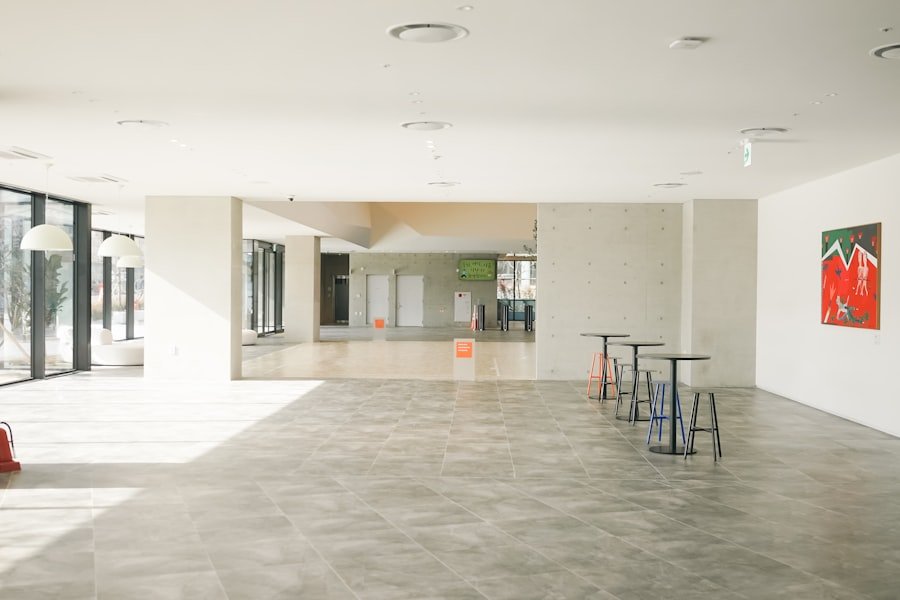
The architectural landscape of residential design has evolved significantly over the years, with two predominant styles emerging as favorites among homeowners: open-concept and traditional floor plans. Open-concept designs, characterized by their lack of interior walls separating living spaces, have gained immense popularity in recent decades. This style promotes a sense of spaciousness and fluidity, allowing for a seamless transition between areas such as the kitchen, dining room, and living room.
In contrast, traditional floor plans typically feature distinct rooms with defined boundaries, offering a more compartmentalized approach to living spaces. Each style has its own unique appeal, catering to different lifestyles, preferences, and functional needs. Understanding the nuances of these two design philosophies is essential for anyone considering a new home or renovation.
Open-concept layouts often reflect modern sensibilities, emphasizing social interaction and connectivity among family members and guests. Meanwhile, traditional floor plans resonate with those who value privacy and the ability to create distinct atmospheres within their homes. As we delve deeper into the advantages and disadvantages of each style, it becomes clear that the choice between open-concept and traditional floor plans is not merely a matter of aesthetics but also one of lifestyle compatibility and practical considerations.
The Advantages of Open-Concept Floor Plans
One of the most significant advantages of open-concept floor plans is their ability to create a sense of spaciousness. By eliminating walls that typically separate living areas, these designs allow natural light to flow freely throughout the space, making even smaller homes feel larger and more inviting. This openness can enhance the overall ambiance of a home, creating an airy environment that is particularly appealing in urban settings where square footage may be limited.
The visual continuity provided by an open layout can also make it easier for homeowners to decorate and furnish their spaces, as they can choose cohesive color schemes and design elements that flow seamlessly from one area to another. Another notable benefit of open-concept designs is their suitability for modern lifestyles that prioritize social interaction. In an open-concept home, family members can engage in various activities while remaining connected.
For instance, a parent cooking in the kitchen can easily converse with children doing homework at the dining table or guests relaxing in the living room. This layout fosters a sense of togetherness that is often lacking in more traditional designs. Additionally, open-concept spaces are ideal for entertaining; hosts can mingle with guests while preparing food or drinks without feeling isolated from the action.
This fluidity not only enhances social gatherings but also encourages a more collaborative atmosphere in daily life.
The Advantages of Traditional Floor Plans
Traditional floor plans offer a range of advantages that cater to specific needs and preferences. One of the most compelling aspects of this design style is the privacy it affords. With clearly defined rooms, individuals can retreat to their personal spaces for quiet time or focused work without distractions from other household members.
This separation can be particularly beneficial for families with varying schedules or those who require dedicated areas for activities such as studying or working from home. The ability to close doors also allows for noise control, making it easier to maintain a peaceful environment. Moreover, traditional floor plans often provide greater flexibility in terms of room usage.
Homeowners can designate specific areas for particular functions, such as a formal dining room for special occasions or a cozy den for movie nights. This compartmentalization allows for a more tailored approach to living spaces, where each room can be designed to reflect its intended purpose. Additionally, traditional layouts often incorporate architectural features such as crown molding, wainscoting, and built-in cabinetry, which can add character and charm to a home.
These design elements contribute to a sense of warmth and familiarity that many people find comforting.
The Disadvantages of Open-Concept Floor Plans
Despite their many advantages, open-concept floor plans are not without their drawbacks. One significant concern is the potential for noise pollution. In an open layout, sounds from one area can easily carry over into another, making it challenging to maintain a quiet atmosphere.
For families with young children or multiple members engaged in different activities simultaneously, this can lead to distractions and frustration. The lack of walls also means that privacy is limited; individuals seeking solitude may find it difficult to escape the hustle and bustle of daily life. Another disadvantage of open-concept designs is their reliance on effective organization and decor.
With fewer walls to delineate spaces, homeowners must be intentional about how they arrange furniture and decor to create distinct zones within the larger area. This can be particularly challenging for those who prefer a more eclectic or personalized style, as it may require careful planning to avoid visual clutter. Additionally, open-concept homes may lack the intimate feel that some homeowners desire; without defined boundaries, spaces can sometimes feel too vast or impersonal.
The Disadvantages of Traditional Floor Plans
| Feature | Open-Concept Floor Plan | Traditional Floor Plan |
|---|---|---|
| Layout | Large, open spaces combining kitchen, living, and dining areas | Separate, enclosed rooms for kitchen, living, and dining |
| Privacy | Less privacy due to open spaces | More privacy with distinct rooms |
| Natural Light | Better natural light flow throughout the space | Limited natural light in interior rooms |
| Noise Levels | Higher noise levels due to open areas | Lower noise levels with walls separating rooms |
| Social Interaction | Encourages socializing and family interaction | More isolated spaces, less interaction |
| Flexibility | Flexible use of space, easy to rearrange furniture | Defined spaces with limited flexibility |
| Heating and Cooling Efficiency | Can be less efficient due to larger open areas | More efficient with smaller, enclosed rooms |
| Storage | Often less built-in storage space | More closets and storage rooms |
| Design Trend | Modern and contemporary homes | Classic and traditional homes |
While traditional floor plans offer privacy and defined spaces, they also come with their own set of disadvantages. One major drawback is the potential for a cramped feeling in smaller homes. With walls separating each room, these designs can create a sense of confinement that may not be conducive to modern living preferences that favor openness and light.
In some cases, traditional layouts may limit the flow of natural light throughout the home, leading to darker interiors that feel less inviting. Additionally, traditional floor plans may not be as conducive to social interaction as their open-concept counterparts. The separation of rooms can create barriers that hinder communication and connection among family members or guests.
For those who enjoy entertaining or spending time together as a family, this compartmentalization can feel isolating. Furthermore, traditional designs may require more effort when it comes to decorating and furnishing; homeowners must consider how each room’s decor will complement one another while still maintaining individual character.
Factors to Consider When Choosing Between Open-Concept and Traditional Floor Plans
When deciding between open-concept and traditional floor plans, several factors should be taken into account to ensure that the chosen design aligns with your lifestyle and preferences. One critical consideration is the size and layout of your property. For smaller homes or apartments, an open-concept design may maximize space efficiency by creating an illusion of openness and allowing for better flow between areas.
Conversely, larger homes may benefit from traditional layouts that provide distinct zones for various activities. Another important factor is your lifestyle and how you envision using your home. If you frequently entertain guests or have a family that values togetherness, an open-concept layout may be more suitable for fostering social interaction.
On the other hand, if you prioritize privacy or have specific needs for dedicated spaces—such as a home office or quiet reading nook—a traditional floor plan might better serve your requirements. Additionally, consider your personal aesthetic preferences; some individuals are drawn to the modern appeal of open-concept designs, while others may find comfort in the classic charm of traditional layouts.
Cost Comparison Between Open-Concept and Traditional Floor Plans
The cost implications of choosing between open-concept and traditional floor plans can vary significantly based on several factors, including construction materials, labor costs, and overall design complexity. Generally speaking, open-concept designs may require fewer materials due to their lack of interior walls; however, this does not always translate into lower costs. The need for structural support beams or columns in place of removed walls can increase expenses significantly.
Additionally, creating an open layout often necessitates more extensive electrical work for lighting fixtures and outlets spread throughout the space. In contrast, traditional floor plans may involve higher material costs due to the need for additional walls and doors; however, they can also offer opportunities for cost savings through simpler construction methods. Homeowners may find that traditional designs allow for more straightforward renovations or modifications down the line since each room functions independently.
Ultimately, the cost comparison will depend on individual project specifics; consulting with architects or builders can provide valuable insights into budgeting considerations based on your chosen design.
Which Floor Plan is Right for You?
Choosing between an open-concept and traditional floor plan ultimately hinges on personal preferences and lifestyle needs. Open-concept designs cater to those who prioritize social interaction and a sense of spaciousness, while traditional layouts appeal to individuals seeking privacy and defined spaces. By carefully considering factors such as property size, lifestyle habits, aesthetic preferences, and budget constraints, homeowners can make informed decisions that align with their vision for their living spaces.
Whether you lean towards the modern allure of an open layout or the classic charm of a traditional design, understanding the advantages and disadvantages of each will empower you to create a home that truly reflects your unique lifestyle.
FAQs
What is an open-concept floor plan?
An open-concept floor plan is a design layout where multiple common areas, such as the kitchen, living room, and dining room, are combined into a single, large space without walls or partitions separating them.
What defines a traditional floor plan?
A traditional floor plan features distinct, separate rooms divided by walls and doors, creating individual spaces for different functions like the kitchen, living room, and dining room.
What are the main advantages of an open-concept floor plan?
Open-concept floor plans promote better natural light flow, enhance social interaction, create a spacious feel, and allow for flexible furniture arrangements.
What are the benefits of a traditional floor plan?
Traditional floor plans offer more privacy, better noise control, defined spaces for specific activities, and often more wall space for storage and decoration.
How do open-concept and traditional floor plans affect home resale value?
Open-concept layouts are popular in modern homes and can increase appeal to buyers seeking contemporary living spaces, while traditional layouts may attract buyers who prefer privacy and defined rooms. The impact on resale value depends on market preferences.
Are open-concept floor plans suitable for families with children?
Yes, open-concept plans allow parents to supervise children easily across common areas, but they may also require strategies to manage noise and maintain organization.
Do traditional floor plans offer better sound insulation?
Generally, yes. The walls and doors in traditional floor plans help contain noise within individual rooms, providing better sound insulation compared to open-concept designs.
Which floor plan is better for entertaining guests?
Open-concept floor plans are often preferred for entertaining because they allow guests to mingle freely across connected spaces, making socializing easier.
Can open-concept floor plans be modified to create more privacy?
Yes, homeowners can use furniture arrangements, room dividers, or partial walls to create zones and add privacy within an open-concept space.
How do heating and cooling differ between open-concept and traditional floor plans?
Open-concept spaces may require more energy to heat or cool due to the larger, continuous area, while traditional floor plans allow for targeted temperature control in individual rooms.
About the Author