
Micro-insurance is a specialized form of insurance designed to provide coverage to low-income individuals and communities who typically lack access to traditional insurance products. It is characterized by its low premiums, simplified policies, and tailored coverage that addresses the specific risks faced by these populations. The concept emerged in response to the recognition that conventional insurance models often exclude the economically disadvantaged due to high costs, complex terms, and a lack of understanding of insurance products.
Micro-insurance aims to bridge this gap by offering affordable and accessible financial protection against unforeseen events such as illness, accidents, natural disasters, and crop failures. The operational framework of micro-insurance is built on the principles of inclusivity and sustainability. By leveraging technology and innovative distribution channels, micro-insurance providers can reach underserved populations in remote areas.
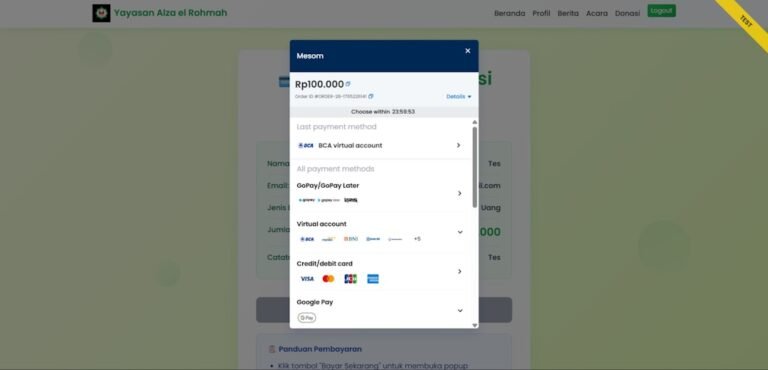
For instance, mobile technology has revolutionized the way micro-insurance is marketed and sold, allowing providers to offer policies through mobile apps or SMS services. This not only enhances accessibility but also fosters a sense of ownership among policyholders, as they can manage their insurance needs directly from their mobile devices. Furthermore, micro-insurance products are often designed with community input, ensuring that they meet the specific needs and preferences of the target population.
Key Takeaways
- Micro-insurance provides low-income communities with access to affordable insurance products tailored to their specific needs and financial capabilities.
- Empowering low-income communities through micro-insurance can help them mitigate financial risks and improve their overall well-being.
- Micro-insurance can benefit low-income communities by providing them with financial security, promoting entrepreneurship, and enhancing their resilience to economic shocks.
- Overcoming barriers to accessing micro-insurance, such as lack of awareness, trust, and affordability, is crucial in ensuring its effectiveness in low-income communities.
- Successful examples of micro-insurance in low-income communities demonstrate the potential for collaboration with local organizations and governments to expand access and impact.
The Importance of Empowering Low-Income Communities
Empowering low-income communities is crucial for fostering economic development and social stability. These communities often face systemic barriers that hinder their ability to thrive, including limited access to education, healthcare, and financial services. By empowering these populations, we can help them break the cycle of poverty and build resilience against economic shocks.
Empowerment involves providing individuals with the tools, resources, and knowledge necessary to make informed decisions about their lives and livelihoods. This can lead to improved health outcomes, increased economic opportunities, and enhanced social cohesion. One of the key aspects of empowerment is financial inclusion, which allows individuals to participate fully in the economy.
Access to financial services such as savings accounts, credit, and insurance can significantly improve the quality of life for low-income individuals. When people have access to micro-insurance, they are better equipped to manage risks associated with health emergencies or natural disasters. This not only protects their financial stability but also enables them to invest in their futures—whether that means starting a small business, pursuing education, or improving their living conditions.
Ultimately, empowering low-income communities creates a ripple effect that benefits society as a whole by fostering economic growth and reducing inequality.
How Micro-Insurance Can Benefit Low-Income Communities

Micro-insurance offers a multitude of benefits specifically tailored to the needs of low-income communities. One of the most significant advantages is its ability to provide financial security in times of crisis. For instance, when a family member falls ill or a natural disaster strikes, the financial burden can be overwhelming for low-income households.
Micro-insurance can alleviate this burden by covering medical expenses or providing compensation for lost income due to an inability to work. This safety net allows families to focus on recovery rather than being consumed by financial stress. Moreover, micro-insurance encourages savings behavior among low-income individuals.
Many micro-insurance products are designed to promote regular premium payments, which can instill a sense of discipline in managing finances. As policyholders make these payments, they are also contributing to a fund that provides them with protection against future risks. This dual benefit not only enhances financial literacy but also fosters a culture of saving within communities that may have previously relied solely on informal safety nets or community support systems.
By encouraging individuals to think proactively about their financial futures, micro-insurance can play a pivotal role in transforming mindsets around money management.
Overcoming Barriers to Accessing Micro-Insurance
| Barriers | Impact | Solutions |
|---|---|---|
| Lack of awareness | Low uptake of micro-insurance | Education and outreach programs |
| High premiums | Financial burden on low-income individuals | Subsidized premiums or flexible payment options |
| Complex application process | Low enrollment rates | Simplified application procedures |
| Lack of trust | Reluctance to purchase micro-insurance | Building trust through transparent communication |
Despite its potential benefits, several barriers hinder access to micro-insurance for low-income communities. One significant challenge is the lack of awareness and understanding of insurance products among potential policyholders. Many individuals in these communities may have never encountered insurance before and may be skeptical about its value or relevance to their lives.
This skepticism can be compounded by cultural beliefs or past experiences with financial institutions that have led to distrust. Another barrier is the complexity of insurance products themselves. Even when micro-insurance is available, the terms and conditions may be difficult for low-income individuals to comprehend fully.
To address these challenges, it is essential for micro-insurance providers to simplify their offerings and communicate them in clear, relatable language. Additionally, leveraging local community leaders or organizations can help bridge the gap between providers and potential policyholders by facilitating trust and understanding. By actively engaging with communities and addressing their specific concerns, micro-insurance can become a more viable option for those who need it most.
Successful Examples of Micro-Insurance in Low-Income Communities
Several successful examples of micro-insurance initiatives illustrate its potential impact on low-income communities around the world. One notable case is the MicroEnsure program in Africa and Asia, which has provided millions of low-income individuals with access to affordable insurance products. By partnering with local organizations and leveraging mobile technology, MicroEnsure has been able to reach remote populations effectively.
Their offerings include health insurance, life insurance, and crop insurance tailored specifically for farmers facing climate-related risks. In India, the Aam Aadmi Bima Yojana (AABY) program serves as another exemplary model of micro-insurance success. Launched by the government in 2007, AABY provides life insurance coverage to low-income workers in the unorganized sector at an incredibly low premium rate.
The program has significantly increased financial security for millions of families who previously had no access to life insurance. By integrating micro-insurance into existing social welfare programs, AABY has demonstrated how government initiatives can effectively empower low-income communities while promoting financial inclusion.
Collaborating with Local Organizations and Governments
Collaboration between micro-insurance providers, local organizations, and governments is essential for maximizing the impact of micro-insurance initiatives in low-income communities. Local organizations often have deep-rooted connections within their communities and possess valuable insights into the specific needs and challenges faced by residents. By partnering with these organizations, micro-insurance providers can tailor their products more effectively and ensure that they resonate with potential policyholders.
Governments also play a critical role in creating an enabling environment for micro-insurance. By implementing supportive regulatory frameworks and providing incentives for micro-insurance providers, governments can encourage innovation and competition in this sector. For example, some countries have established public-private partnerships that facilitate the development of micro-insurance products while ensuring consumer protection measures are in place.
Such collaborations not only enhance access to micro-insurance but also contribute to broader efforts aimed at reducing poverty and promoting economic development.
Educating and Empowering Low-Income Communities about Micro-Insurance
Education is a cornerstone of empowering low-income communities regarding micro-insurance. Without proper knowledge about how insurance works and its benefits, individuals may remain hesitant to engage with these products. Educational initiatives should focus on demystifying insurance concepts and providing practical examples that resonate with people’s everyday experiences.
Workshops, community meetings, and informational campaigns can serve as effective platforms for disseminating information about micro-insurance. Moreover, incorporating local languages and culturally relevant materials into educational efforts can enhance understanding and engagement. Utilizing storytelling techniques or real-life case studies can help illustrate the tangible benefits of micro-insurance in relatable terms.
By fostering an environment where individuals feel comfortable asking questions and seeking clarification, educational initiatives can empower low-income communities to make informed decisions about their financial futures.
The Future of Micro-Insurance in Empowering Low-Income Communities
The future of micro-insurance holds significant promise for empowering low-income communities worldwide. As technology continues to advance, new opportunities for reaching underserved populations will emerge. Innovations such as blockchain technology could enhance transparency and trust in micro-insurance transactions while reducing administrative costs for providers.
Additionally, artificial intelligence could be leveraged to analyze data more effectively, allowing for the development of personalized insurance products that cater specifically to individual needs. Furthermore, as awareness of climate change grows, there will likely be an increasing demand for insurance products that address environmental risks faced by low-income communities. Micro-insurance can play a vital role in helping these populations adapt to changing conditions by providing coverage for crop failures due to extreme weather events or health issues arising from environmental degradation.
By aligning micro-insurance offerings with emerging global challenges, providers can ensure that they remain relevant and impactful in empowering low-income communities for years to come. In conclusion, as we look ahead at the landscape of micro-insurance, it is clear that its potential extends far beyond mere financial protection; it represents a pathway toward greater empowerment for low-income communities around the globe. Through collaboration, education, and innovation, we can harness the power of micro-insurance to create lasting change that uplifts individuals and strengthens entire communities.
FAQs
What is micro-insurance?
Micro-insurance refers to insurance products and services specifically designed for low-income individuals and communities. These products are tailored to meet the unique needs and financial constraints of this demographic.
What types of risks does micro-insurance cover?
Micro-insurance typically covers risks related to health, life, property, and agriculture. These products are designed to provide financial protection against unexpected events such as illness, death, natural disasters, and crop failure.
How does micro-insurance benefit low-income communities?
Micro-insurance provides a safety net for low-income individuals and communities, helping them mitigate financial risks and avoid falling deeper into poverty due to unexpected events. It also promotes financial inclusion and resilience within these communities.
What are the challenges of implementing micro-insurance in low-income communities?
Challenges in implementing micro-insurance include low levels of financial literacy, lack of trust in insurance providers, and the need for affordable and accessible distribution channels. Additionally, regulatory and operational challenges can also hinder the successful implementation of micro-insurance.
How can micro-insurance be made more accessible to low-income communities?
To make micro-insurance more accessible, it is important to work with local community organizations and leaders to build trust and awareness. Additionally, leveraging technology and mobile platforms can help reach remote and underserved communities. Simplifying products and processes can also make micro-insurance more user-friendly for low-income individuals.