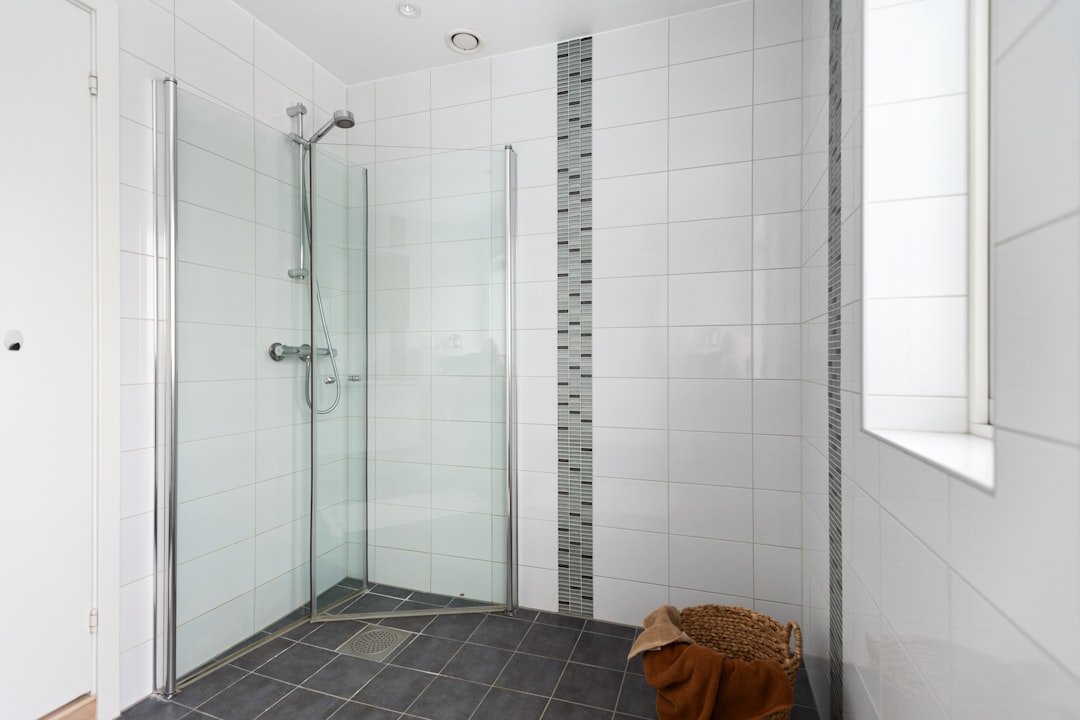
Waterproofing a bathroom is not merely an optional enhancement; it is a fundamental necessity that protects the integrity of the home. Bathrooms are inherently prone to moisture due to their frequent use and the presence of water sources such as sinks, showers, and bathtubs. Without proper waterproofing, the risk of water damage escalates significantly, leading to issues such as mold growth, structural damage, and deterioration of materials.
The consequences of neglecting waterproofing can be severe, resulting in costly repairs and health hazards associated with mold and mildew. Moreover, effective waterproofing contributes to the overall longevity of the bathroom fixtures and finishes. For instance, tiles and grout can deteriorate over time if they are consistently exposed to moisture without adequate protection.
This deterioration not only affects aesthetics but can also lead to leaks that compromise the underlying structure of the home. By investing in proper waterproofing measures, homeowners can ensure that their bathrooms remain functional and visually appealing for years to come, ultimately enhancing the value of their property.
Assessing the Bathroom for Waterproofing Needs
Before embarking on a waterproofing project, it is crucial to conduct a thorough assessment of the bathroom to identify specific needs and vulnerabilities. This assessment should begin with a visual inspection of all surfaces, including walls, floors, and ceilings. Look for signs of previous water damage, such as discoloration, peeling paint, or warped materials.
These indicators can provide insight into areas that may require more intensive waterproofing solutions. In addition to visual cues, it is essential to consider the layout and design of the bathroom. For example, bathrooms with inadequate ventilation or those that lack windows are more susceptible to moisture buildup.
Similarly, the presence of fixtures like bathtubs or showers that are frequently used can increase the likelihood of water exposure. By understanding these factors, homeowners can tailor their waterproofing strategies to address specific vulnerabilities effectively.
Choosing the Right Waterproofing Products
Selecting appropriate waterproofing products is a critical step in ensuring the effectiveness of the waterproofing process. The market offers a wide range of options, including liquid membranes, sheet membranes, and cementitious coatings. Liquid membranes are popular due to their ease of application and ability to conform to irregular surfaces.
They create a seamless barrier that effectively prevents water penetration. On the other hand, sheet membranes provide robust protection and are often used in high-moisture areas. These membranes are typically made from materials like polyethylene or rubber and are installed in sheets that overlap at seams for added security.
Cementitious coatings are another viable option; they are mixed with water to create a slurry that can be applied directly to surfaces. This type of product is particularly effective for areas prone to heavy moisture exposure, such as shower stalls. When choosing waterproofing products, it is also essential to consider factors such as compatibility with existing materials, ease of application, and drying times.
Additionally, consulting with professionals or reading product reviews can provide valuable insights into the performance and reliability of various options.
Preparing the Surface for Waterproofing
Proper surface preparation is vital for achieving optimal results in any waterproofing project. Before applying any waterproofing product, surfaces must be clean, dry, and free from contaminants that could hinder adhesion. Begin by removing any existing finishes such as paint or old sealants that may interfere with the new waterproofing layer.
This may involve scraping or sanding surfaces to ensure a smooth base. Once the surfaces are stripped down to their bare material, it is crucial to repair any cracks or imperfections. Small cracks can be filled with appropriate sealants or caulking compounds designed for wet areas.
Larger gaps may require patching compounds or even replacement of damaged sections. After repairs are made, thoroughly clean the surfaces using a suitable cleaner to remove dust, dirt, and grease. Allow ample time for all surfaces to dry completely before proceeding with the application of waterproofing products.
Applying Waterproofing Membrane
| Step | Description | Materials Needed | Estimated Time | Key Tips |
|---|---|---|---|---|
| 1. Surface Preparation | Clean and smooth all surfaces to remove dust, grease, and loose particles. | Cleaning agents, sandpaper, putty knife | 1-2 hours | Ensure surfaces are completely dry before proceeding. |
| 2. Apply Primer | Apply a waterproof primer to enhance adhesion of the waterproofing membrane. | Waterproof primer, brush or roller | 30 minutes – 1 hour (including drying) | Use primer compatible with the membrane material. |
| 3. Seal Joints and Corners | Use waterproof tape or sealant to cover joints, corners, and pipe penetrations. | Waterproof tape, sealant, caulking gun | 1 hour | Ensure tight and continuous coverage to prevent leaks. |
| 4. Apply Waterproof Membrane | Apply liquid or sheet waterproof membrane over all wet areas. | Liquid membrane or sheet membrane, brush/roller or adhesive | 2-4 hours (including drying time) | Apply at least two coats for effective waterproofing. |
| 5. Inspect and Test | Check for any missed spots and perform a water test to ensure no leaks. | Water source, inspection tools | 1-2 hours | Fix any defects before tiling or finishing. |
| 6. Install Tiles or Finishing | Once waterproofing is confirmed, proceed with tile installation or other finishes. | Tiles, adhesive, grout | Varies depending on area size | Use waterproof grout and seal grout lines properly. |
The application of a waterproofing membrane is a critical phase in safeguarding the bathroom against moisture intrusion. Depending on the chosen product—liquid or sheet membrane—the application process will vary slightly but generally follows similar principles. For liquid membranes, use a roller or brush to apply an even coat over the prepared surfaces.
It is essential to follow the manufacturer’s instructions regarding thickness and drying times to ensure maximum effectiveness. In contrast, sheet membranes require careful handling during installation. Begin by measuring and cutting the sheets to fit the designated areas accurately.
It is crucial to overlap seams by at least several inches to create a continuous barrier against water penetration. Adhesives or thin-set mortars may be used to secure the sheets in place, ensuring they adhere firmly to the substrate. Pay special attention to corners and edges where water is likely to accumulate; these areas should receive additional reinforcement.
Regardless of the type of membrane used, it is advisable to apply multiple coats if recommended by the manufacturer. This additional layer enhances protection and provides peace of mind against potential leaks.
Sealing Joints and Corners
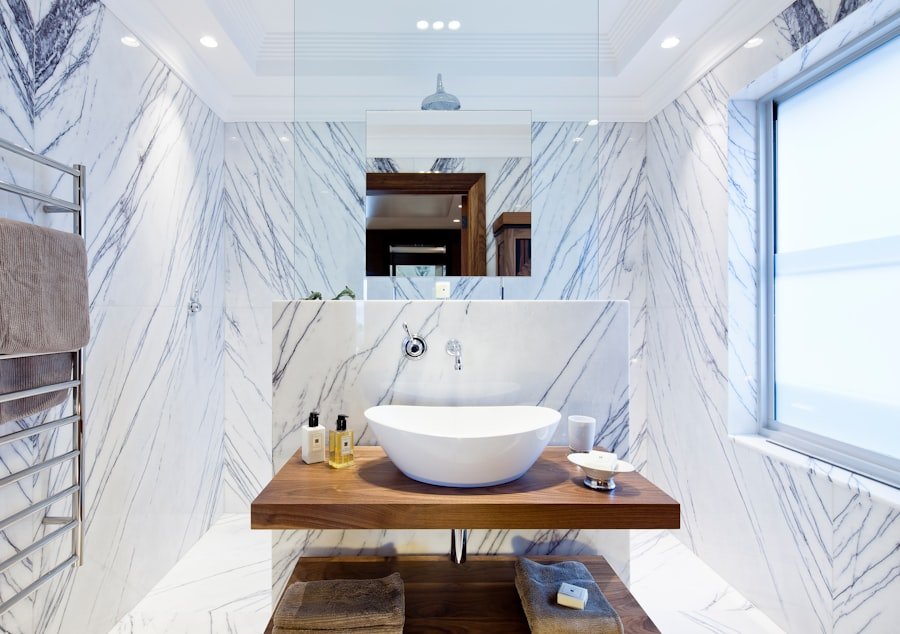
Joints and corners are often the most vulnerable points in a bathroom when it comes to water intrusion. Therefore, sealing these areas effectively is paramount in achieving comprehensive waterproofing. After applying the primary waterproofing membrane, it is essential to reinforce joints—such as those between walls and floors—as well as corners where two surfaces meet.
For sealing joints, specialized waterproof tape or caulk can be employed. This tape is typically made from flexible materials that can accommodate movement while maintaining a watertight seal. When applying caulk, ensure that it is specifically designed for wet environments; silicone-based caulks are often preferred due to their durability and resistance to mold growth.
Corners should also receive special attention during this process. Many manufacturers offer corner pieces or pre-formed accessories designed specifically for this purpose. These products simplify installation while ensuring that corners are adequately protected against moisture infiltration.
Testing and Inspecting the Waterproofing
Once the waterproofing application is complete, it is crucial to conduct thorough testing and inspection before proceeding with any further construction or installation of fixtures. One effective method for testing waterproofing integrity involves conducting a flood test. This process entails filling the shower pan or bathtub with water and allowing it to sit for an extended period—typically 24 hours—to observe any signs of leakage.
During this testing phase, inspect all joints, seams, and corners meticulously for any signs of moisture penetration or failure in the waterproof barrier. If any leaks are detected during this process, it is essential to address them immediately by reinforcing or reapplying waterproofing materials as necessary. In addition to flood testing, visual inspections should be conducted regularly after installation to ensure that no new issues arise over time.
Homeowners should remain vigilant for signs of water damage or mold growth in adjacent areas as well.
Maintaining the Waterproofing over Time
Maintaining bathroom waterproofing is an ongoing responsibility that ensures long-term protection against moisture-related issues. Regular maintenance involves periodic inspections of all surfaces and joints for signs of wear or damage. Homeowners should be proactive in addressing any cracks or gaps that may develop over time due to settling or temperature fluctuations.
Cleaning practices also play a significant role in maintaining waterproofing integrity. Using non-abrasive cleaners helps prevent damage to waterproof membranes while keeping surfaces free from mold and mildew buildup. Additionally, ensuring proper ventilation in the bathroom can significantly reduce humidity levels, further protecting against moisture-related problems.
In cases where significant wear is observed or if leaks are detected during inspections, it may be necessary to reapply waterproofing products or consult with professionals for more extensive repairs. By prioritizing maintenance efforts, homeowners can extend the life of their bathroom waterproofing systems and safeguard their homes from potential water damage for years to come.
FAQs
What is the importance of waterproofing a bathroom?
Waterproofing a bathroom is essential to prevent water leakage, which can cause structural damage, mold growth, and deterioration of walls and floors. It ensures the longevity and safety of the bathroom.
When should waterproofing be done in a bathroom?
Waterproofing should be done during the initial construction or renovation phase before tiling and finishing work begins. It is easier and more effective to apply waterproofing materials on bare surfaces.
What are the common materials used for bathroom waterproofing?
Common waterproofing materials include liquid waterproofing membranes, cementitious coatings, waterproofing sheets or membranes, and sealants. The choice depends on the surface and specific requirements.
Which areas of the bathroom need waterproofing?
Key areas to waterproof include the shower area, bathtub surroundings, bathroom floor, walls up to a certain height, and areas around sinks and toilets where water exposure is frequent.
How long does bathroom waterproofing last?
Properly applied waterproofing can last 10 to 20 years or more, depending on the materials used and maintenance. Regular inspections help ensure its effectiveness over time.
Can waterproofing be done on an existing bathroom?
Yes, waterproofing can be applied during bathroom renovations. However, it may require removing tiles and old materials to apply waterproofing layers effectively.
Is professional help necessary for waterproofing a bathroom?
While DIY waterproofing is possible, professional help is recommended to ensure correct application, especially for larger or complex bathrooms, to avoid future water damage.
What are the signs of failed waterproofing in a bathroom?
Signs include water stains, mold or mildew growth, peeling paint or tiles, damp walls or floors, and a musty odor. These indicate water is penetrating areas it shouldn’t.
How can I maintain bathroom waterproofing?
Regularly check for cracks or damage, ensure grout and sealants are intact, clean drains to prevent water pooling, and address leaks promptly to maintain waterproofing effectiveness.
Does waterproofing affect bathroom aesthetics?
Waterproofing is applied beneath tiles or finishes, so it does not affect the bathroom’s appearance. It provides a protective layer without compromising design.
About the Author