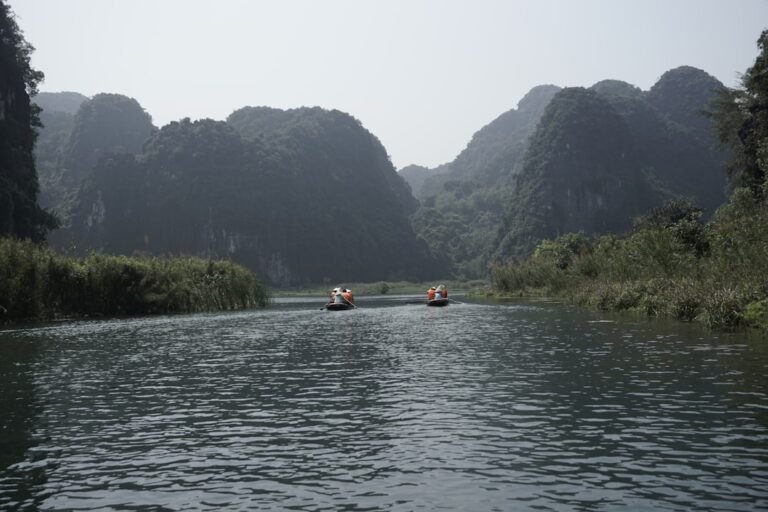
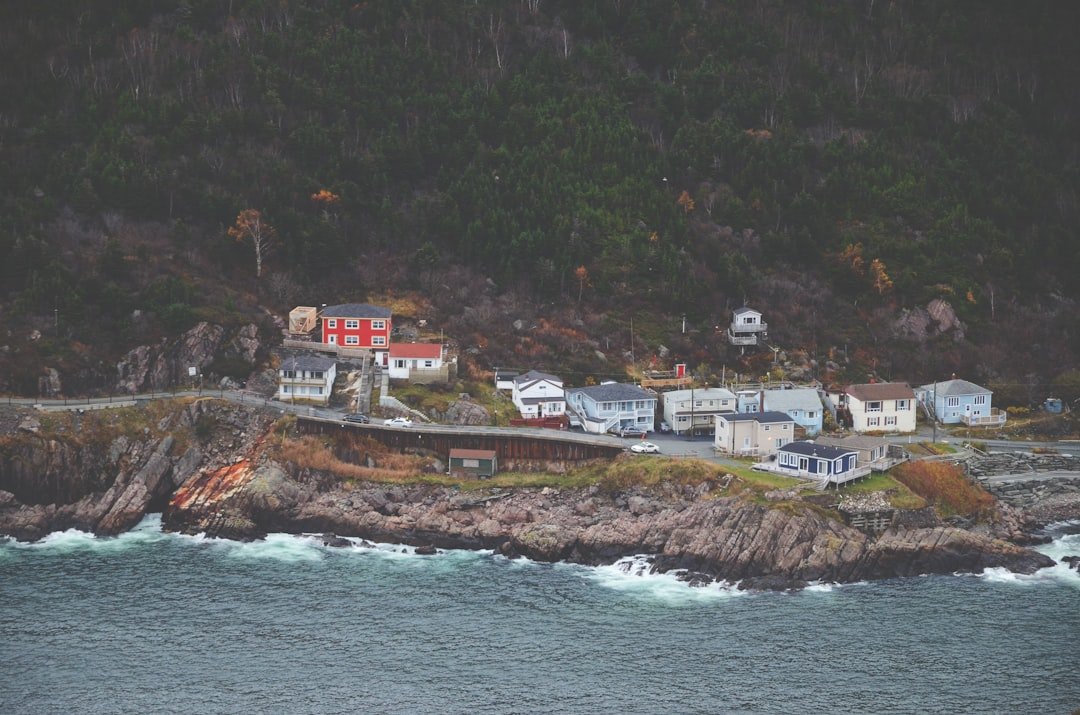
Canada’s coastal towns span three distinct maritime regions: the Atlantic provinces, the Pacific coast, and the Great Lakes. These communities have developed unique characteristics shaped by their geographical location, climate, and historical settlement patterns. The towns serve as important centers for fishing, shipping, and tourism industries while preserving cultural traditions that reflect centuries of maritime activity.
Canada’s coastal regions exhibit diverse geographical features and climatic conditions. Atlantic coastal towns experience a maritime climate with significant seasonal variation, while Pacific coast communities benefit from milder temperatures moderated by ocean currents. Great Lakes towns face continental climate patterns with distinct seasonal changes.
These environmental factors have influenced local economies, architecture, and cultural practices in each region. The coastal towns offer various attractions including historical sites, natural landmarks, and cultural institutions. Many communities feature working harbors, museums documenting maritime history, and recreational facilities for outdoor activities.
Local economies often center on fishing, aquaculture, and seasonal tourism, with many towns maintaining traditional industries alongside modern developments. These communities provide access to coastal ecosystems, hiking trails, and water-based recreational opportunities throughout the year.
Exploring the Maritime Charm of the East Coast
The East Coast of Canada is renowned for its maritime charm, characterized by its rugged coastlines, quaint fishing villages, and a rich tapestry of cultural influences. Towns like Lunenburg in Nova Scotia, a UNESCO World Heritage site, showcase brightly painted wooden buildings that reflect the town’s seafaring history. The town’s harbor is filled with historic ships, and visitors can explore the Fisheries Museum of the Atlantic to learn about the region’s fishing heritage.
The annual Lunenburg Folk Harbour Festival draws musicians and artists from across the country, celebrating the vibrant culture that thrives in this coastal gem. Further along the coast, the town of St. Andrews by-the-Sea in New Brunswick offers a different flavor of East Coast charm.
Known for its stunning gardens and historic architecture, St. Andrews is a haven for those seeking relaxation and natural beauty. The town’s proximity to the Bay of Fundy, famous for having the highest tides in the world, provides opportunities for unique experiences such as tidal bore rafting and whale watching.
The local cuisine is heavily influenced by the sea, with fresh lobster and scallops being staples on many menus. Visitors can enjoy dining at waterfront restaurants while taking in breathtaking views of the bay.
Embracing the Pacific Beauty of the West Coast
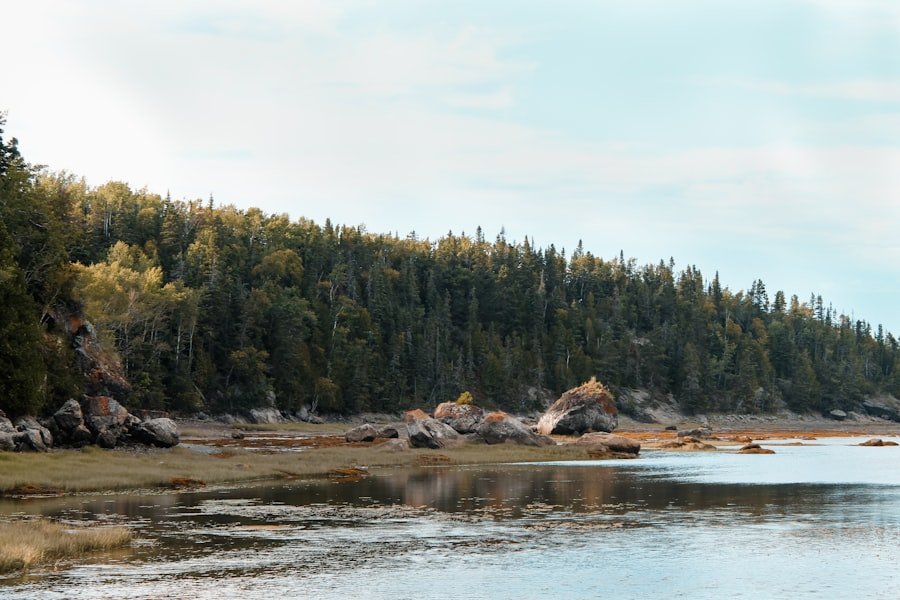
Transitioning to Canada’s West Coast, towns like Tofino in British Columbia epitomize the breathtaking beauty of this region. Nestled between lush rainforests and the Pacific Ocean, Tofino is a paradise for nature lovers and adventure seekers alike. The town is famous for its surf culture, with Long Beach attracting surfers from around the world.
Beyond surfing, visitors can explore Pacific Rim National Park Reserve, where hiking trails wind through ancient cedar forests and lead to stunning coastal vistas. The area’s Indigenous culture is also prominent, with opportunities to learn about local First Nations history through art galleries and cultural centers. Vancouver Island’s Sidney is another coastal town that captures the essence of West Coast living.
Known for its charming waterfront and vibrant arts scene, Sidney offers a relaxed atmosphere perfect for leisurely strolls along the beach or exploring local boutiques. The town hosts an array of festivals throughout the year, including the Sidney Street Market, where artisans showcase their crafts and local produce. The nearby Gulf Islands provide additional opportunities for exploration, with kayaking, sailing, and wildlife watching being popular activities among visitors.
Uncovering the Hidden Gems of the Northern Coast
Canada’s northern coast is often overlooked but is home to some hidden gems that offer a unique perspective on coastal life. Towns like Inuvik in the Northwest Territories provide an intriguing glimpse into Indigenous culture and Arctic living. Located above the Arctic Circle, Inuvik is known for its unique architecture, including the famous Igloo Church and the Inuvik Community Corporation’s cultural center.
Visitors can experience traditional activities such as dog sledding and ice fishing while learning about the Gwich’in and Inuvialuit peoples who have thrived in this harsh yet beautiful environment. Another hidden gem is Tuktoyaktuk, a small hamlet on the shores of the Arctic Ocean. This remote community is accessible via ice roads in winter or by air during summer months.
Tuktoyaktuk offers visitors a chance to witness stunning Arctic landscapes and engage with local residents who share their stories and traditions. The town’s unique geography allows for experiences such as viewing permafrost landscapes and exploring traditional hunting practices. The annual Tuktoyaktuk Cultural Festival celebrates local art, music, and food, providing an authentic taste of life in Canada’s North.
Experiencing the Serenity of the Great Lakes Coast
| Coastal Town | Province | Population | Known For | Popular Activities | Average Summer Temperature (°C) |
|---|---|---|---|---|---|
| Tofino | British Columbia | 2,000 | Surfing, Rainforests | Surfing, Whale Watching, Hiking | 18 |
| St. Andrews | New Brunswick | 1,500 | Historic Sites, Whale Watching | Kayaking, Whale Watching, Historic Tours | 22 |
| Peggy’s Cove | Nova Scotia | 300 | Iconic Lighthouse, Coastal Scenery | Photography, Hiking, Boat Tours | 20 |
| Charlottetown | Prince Edward Island | 36,000 | Historic Charm, Culinary Scene | Dining, Cycling, Festivals | 23 |
| Bay Roberts | Newfoundland and Labrador | 6,500 | Fishing Heritage, Coastal Trails | Hiking, Fishing, Cultural Events | 17 |
The Great Lakes region boasts its own set of coastal towns that offer a serene escape from urban life. Towns like Bayfield in Ontario are known for their picturesque waterfronts and charming main streets lined with boutique shops and cafes. Bayfield’s location on Lake Huron provides ample opportunities for water-based activities such as sailing, fishing, and swimming in its clear waters.
The town also hosts various events throughout the year, including art festivals and farmers’ markets that highlight local produce and craftsmanship. Another notable destination along the Great Lakes is Saugatuck in Michigan, which has become a popular getaway for Canadians seeking relaxation and recreation. Known for its stunning beaches and vibrant arts community, Saugatuck offers visitors a chance to unwind while enjoying outdoor activities such as hiking in nearby parks or exploring art galleries showcasing local talent.
The town’s scenic dunes provide breathtaking views of Lake Michigan, making it an ideal spot for sunset watching or picnicking by the shore.
Indulging in the Coastal Culture and Cuisine
One cannot fully appreciate Canada’s coastal towns without indulging in their rich culture and cuisine. Each region boasts its own culinary specialties that reflect local ingredients and traditions. In Newfoundland and Labrador, traditional dishes such as Jigg’s dinner—a hearty meal featuring salt beef, vegetables, and pudding—are staples that tell stories of resilience and community.
The province’s love for seafood is evident in dishes like fish and brewis or cod au gratin, which highlight the bounty of the Atlantic Ocean. On the West Coast, fresh seafood reigns supreme with dishes featuring salmon, halibut, and Dungeness crab taking center stage in many restaurants. The farm-to-table movement has also gained traction here, with chefs incorporating locally sourced ingredients into their menus to create innovative dishes that celebrate both land and sea.
Tasting menus at restaurants in towns like Victoria often feature pairings with local wines or craft beers, allowing visitors to savor the flavors of British Columbia while enjoying stunning waterfront views.
Engaging in Outdoor Activities and Adventures
Canada’s coastal towns are not just about relaxation; they also offer a plethora of outdoor activities that cater to adventure enthusiasts. In Tofino, surfing is a way of life, with waves suitable for both beginners and experienced surfers alike. Beyond surfing, visitors can embark on whale-watching tours to witness orcas and humpback whales during their migration seasons or explore nearby hot springs nestled within lush forests.
On the East Coast, hiking trails along Cape Breton’s Cabot Trail provide breathtaking views of cliffs overlooking the Atlantic Ocean. The trail offers various levels of difficulty, making it accessible for families as well as seasoned hikers seeking challenging terrain. Birdwatching enthusiasts flock to places like Bonaventure Island in Quebec to observe puffins during nesting season or explore national parks that protect diverse ecosystems along the coast.
Planning Your Next Coastal Town Adventure in Canada
When planning your next adventure to Canada’s coastal towns, consider factors such as seasonality, local events, and transportation options to make the most of your experience. Each region has its peak seasons; for instance, summer months are ideal for beach activities on both coasts while fall brings stunning foliage along hiking trails in Eastern Canada. Researching local festivals can enhance your visit by allowing you to participate in community celebrations that showcase regional culture.
Accommodations range from cozy bed-and-breakfasts to luxurious resorts depending on your preferences and budget. Booking ahead during peak seasons ensures you secure your desired lodging while also providing opportunities to explore popular attractions without long wait times. Whether you seek adventure or relaxation amidst breathtaking scenery, Canada’s coastal towns promise unforgettable experiences that will leave lasting memories long after your visit has ended.
FAQs
What are some of the best coastal towns to explore in Canada?
Some of the best coastal towns to explore in Canada include Tofino in British Columbia, Lunenburg in Nova Scotia, St. Andrews by-the-Sea in New Brunswick, and Peggy’s Cove in Nova Scotia. These towns are known for their scenic waterfronts, charming communities, and outdoor activities.
What activities can I do in Canadian coastal towns?
In Canadian coastal towns, you can enjoy activities such as whale watching, kayaking, hiking along coastal trails, fishing, exploring historic sites, and sampling fresh seafood. Many towns also offer cultural festivals and art galleries.
When is the best time to visit coastal towns in Canada?
The best time to visit Canadian coastal towns is typically from late spring to early fall (May to September) when the weather is milder and outdoor activities are more accessible. However, some towns offer winter festivals and unique seasonal experiences.
Are Canadian coastal towns family-friendly?
Yes, many Canadian coastal towns are family-friendly, offering safe beaches, nature parks, educational museums, and family-oriented events. Towns like St. Andrews by-the-Sea and Lunenburg are popular choices for family vacations.
How can I get to coastal towns in Canada?
Most coastal towns in Canada are accessible by car, bus, or regional flights. For example, Tofino can be reached via a short flight to Tofino-Long Beach Airport or by driving from Vancouver. Ferry services also connect some coastal communities.
What kind of accommodations are available in Canadian coastal towns?
Accommodations range from cozy bed and breakfasts, boutique inns, and seaside resorts to campgrounds and vacation rentals. Many towns offer options that highlight local charm and provide scenic views of the coastline.
Are there any notable seafood dishes to try in Canadian coastal towns?
Yes, Canadian coastal towns are famous for their fresh seafood, including lobster, scallops, clams, salmon, and cod. Signature dishes include lobster rolls, seafood chowder, and fresh oysters, often featured in local restaurants and markets.
About the Author