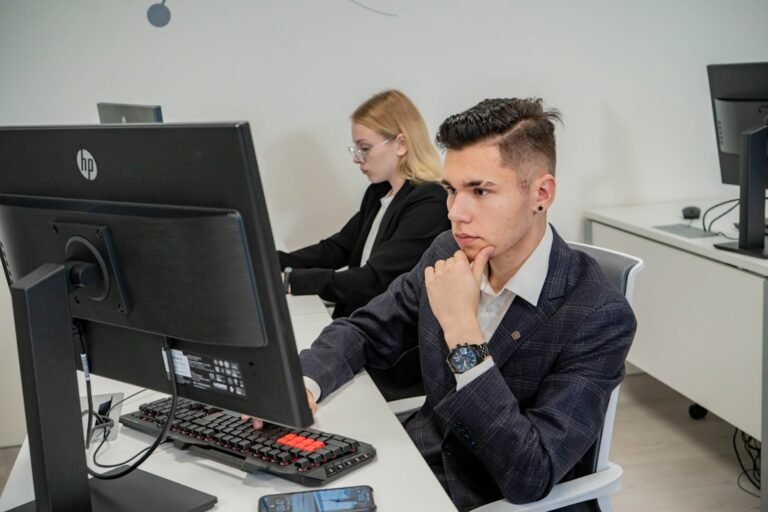

The rise of remote teams has transformed the landscape of modern work, driven by advancements in technology and a shift in organizational culture. Remote teams, composed of individuals who collaborate from various locations rather than a centralized office, have become increasingly prevalent across industries. This shift has been accelerated by global events, such as the COVID-19 pandemic, which forced many organizations to adapt quickly to remote work environments.
As a result, businesses have had to rethink traditional management practices and embrace new strategies to ensure productivity and cohesion among team members who may never meet face-to-face. The benefits of remote teams are manifold. They offer organizations access to a broader talent pool, allowing companies to hire the best candidates regardless of geographical constraints.
This flexibility can lead to increased employee satisfaction and retention, as individuals often appreciate the autonomy and work-life balance that remote work can provide. However, managing remote teams also presents unique challenges, such as maintaining effective communication, fostering collaboration, and ensuring accountability. As organizations continue to navigate this evolving landscape, understanding the intricacies of remote team management becomes essential for success.
Effective Communication Strategies
Effective communication is the cornerstone of successful remote team management. In a virtual environment, where non-verbal cues and spontaneous interactions are limited, establishing clear communication channels is vital. Organizations must prioritize the use of various communication tools that cater to different needs—ranging from instant messaging platforms like Slack or Microsoft Teams for quick exchanges to video conferencing tools like Zoom or Google Meet for more in-depth discussions.
By leveraging these technologies, teams can maintain a sense of connection and ensure that everyone is on the same page. Moreover, it is crucial to establish norms around communication frequency and responsiveness. For instance, setting expectations for how quickly team members should respond to messages can help mitigate feelings of isolation and uncertainty.
Regular check-ins, whether through daily stand-ups or weekly team meetings, can foster a sense of belonging and keep everyone aligned on project goals. Additionally, encouraging open dialogue and feedback can create an environment where team members feel comfortable sharing their thoughts and concerns, ultimately leading to improved collaboration and innovation.
Establishing Clear Expectations and Goals
Establishing clear expectations and goals is fundamental to the success of remote teams. When team members understand their roles and responsibilities, they are more likely to stay focused and motivated. Organizations should implement goal-setting frameworks such as SMART (Specific, Measurable, Achievable, Relevant, Time-bound) objectives to provide clarity and direction.
By breaking down larger projects into smaller, manageable tasks with defined deadlines, teams can track progress more effectively and celebrate milestones along the way. In addition to individual goals, it is essential to align team objectives with the broader organizational vision. This alignment ensures that every team member understands how their contributions impact the overall success of the company.
Regularly revisiting these goals during team meetings can help maintain focus and accountability while allowing for adjustments as needed. By fostering a culture of transparency around expectations, organizations can empower remote teams to take ownership of their work and drive results.
Utilizing Technology for Collaboration
Technology plays a pivotal role in facilitating collaboration among remote teams. The right tools can bridge the gap created by physical distance, enabling seamless interaction and project management. For instance, project management software like Trello or Asana allows teams to visualize workflows, assign tasks, and monitor progress in real-time.
These platforms not only enhance productivity but also provide a centralized location for documentation and resources, reducing the risk of miscommunication. Furthermore, collaborative tools such as Google Workspace or Microsoft 365 enable team members to work together on documents and presentations simultaneously. This real-time collaboration fosters creativity and innovation while ensuring that everyone has access to the most up-to-date information.
Additionally, integrating cloud storage solutions like Dropbox or OneDrive can streamline file sharing and version control, making it easier for teams to collaborate effectively without the constraints of physical office space.
Building Trust and Accountability
| Best Practice | Metric | Recommended Value/Goal | Notes |
|---|---|---|---|
| Regular Communication | Frequency of Team Meetings | 1-2 times per week | Ensures alignment and team cohesion |
| Clear Goal Setting | Percentage of Team with Clear Objectives | 100% | All members should understand their goals |
| Use of Collaboration Tools | Tool Adoption Rate | 90%+ | High adoption improves workflow efficiency |
| Performance Tracking | On-time Task Completion Rate | 85% or higher | Measures productivity and accountability |
| Employee Engagement | Engagement Survey Score | Above 75% | Indicates team morale and satisfaction |
| Work-Life Balance | Average Weekly Work Hours | 35-40 hours | Prevents burnout and promotes well-being |
| Training & Development | Training Hours per Employee per Quarter | 5-10 hours | Supports skill growth and adaptability |
| Feedback Frequency | One-on-One Meetings per Month | At least 1 | Encourages continuous improvement |
Building trust within remote teams is essential for fostering a positive work environment and enhancing overall performance. Trust is often cultivated through consistent communication, transparency, and reliability. Leaders should model these behaviors by being open about their own challenges and successes while encouraging team members to do the same.
When individuals feel safe sharing their thoughts and vulnerabilities, it creates a culture of mutual respect and understanding. Accountability is another critical component of effective remote team management. Establishing clear metrics for success allows team members to take ownership of their work while providing a framework for evaluating performance.
Regular performance reviews and feedback sessions can help reinforce accountability while also offering opportunities for professional development. By recognizing individual contributions and celebrating achievements, organizations can motivate remote teams to strive for excellence while reinforcing a sense of belonging.
Managing Remote Team Performance
Managing performance in remote teams requires a nuanced approach that balances oversight with autonomy. Traditional performance management techniques may not translate effectively to a virtual environment; therefore, leaders must adapt their strategies accordingly. One effective method is to implement regular one-on-one meetings between managers and team members.
These sessions provide an opportunity for personalized feedback, goal-setting discussions, and career development conversations that can enhance engagement and motivation. Additionally, utilizing performance metrics that focus on outcomes rather than hours worked can lead to more meaningful evaluations. For example, measuring project completion rates or customer satisfaction scores can provide insights into individual contributions without relying solely on time spent at a desk.
This results-oriented approach encourages team members to prioritize quality over quantity while fostering a culture of accountability and trust.
Supporting Remote Team Well-being
The well-being of remote team members is paramount in ensuring sustained productivity and job satisfaction. The isolation that can accompany remote work may lead to feelings of loneliness or burnout if not addressed proactively. Organizations should prioritize mental health initiatives by offering resources such as access to counseling services or wellness programs that promote work-life balance.
Encouraging regular breaks throughout the day can also help prevent burnout and improve overall morale. Creating opportunities for social interaction among team members is another effective strategy for supporting well-being. Virtual team-building activities—such as online games or casual coffee chats—can foster camaraderie and strengthen relationships within the team.
Additionally, promoting a culture that values flexibility allows employees to manage their schedules in ways that best suit their personal needs, ultimately leading to higher job satisfaction and retention rates.
Conclusion and Future Trends in Remote Team Management
As remote work continues to evolve, organizations must remain agile in their approach to managing remote teams. The future of remote team management will likely see an increased emphasis on hybrid work models that combine in-person collaboration with remote flexibility. This shift will require leaders to develop new strategies for maintaining engagement and productivity across diverse work environments.
Furthermore, advancements in technology will continue to shape how remote teams operate. Artificial intelligence (AI) tools may play a significant role in automating routine tasks or providing data-driven insights into team performance. As organizations embrace these innovations, they must also prioritize human connection and empathy in their management practices.
By fostering an inclusive culture that values diversity and well-being, organizations can position themselves for success in an increasingly remote world. In summary, navigating the complexities of remote team management requires a multifaceted approach that prioritizes communication, accountability, well-being, and adaptability. As businesses continue to embrace this new paradigm of work, those that invest in effective strategies will be better equipped to thrive in an ever-changing landscape.
FAQs
What are some key best practices for managing remote teams?
Key best practices include establishing clear communication channels, setting expectations and goals, using project management tools, fostering team collaboration, providing regular feedback, and promoting work-life balance.
How can managers ensure effective communication in remote teams?
Managers can ensure effective communication by scheduling regular video meetings, using instant messaging platforms, encouraging open dialogue, and providing clear and concise updates to keep everyone aligned.
What tools are recommended for managing remote teams?
Recommended tools include project management software like Asana or Trello, communication platforms such as Slack or Microsoft Teams, video conferencing tools like Zoom or Google Meet, and time-tracking applications.
How can managers maintain team engagement and motivation remotely?
Managers can maintain engagement by recognizing achievements, encouraging social interaction, providing opportunities for professional development, and creating a supportive and inclusive team culture.
What strategies help in setting clear expectations for remote team members?
Strategies include defining roles and responsibilities clearly, setting measurable goals, establishing deadlines, and regularly reviewing progress to ensure accountability.
How important is flexibility in managing remote teams?
Flexibility is crucial as it allows team members to balance work and personal life, accommodate different time zones, and adapt to varying work styles, which can improve productivity and job satisfaction.
What challenges are commonly faced when managing remote teams?
Common challenges include communication barriers, feelings of isolation, difficulty in monitoring performance, time zone differences, and maintaining team cohesion.
How can managers address feelings of isolation among remote employees?
Managers can address isolation by encouraging regular check-ins, organizing virtual social events, fostering peer support networks, and promoting open communication.
Why is regular feedback important in remote team management?
Regular feedback helps remote employees understand their performance, stay aligned with team goals, feel valued, and identify areas for improvement, which enhances overall productivity.
How can managers promote work-life balance for remote teams?
Managers can promote work-life balance by respecting boundaries around work hours, encouraging breaks, avoiding after-hours communication, and supporting flexible scheduling.
About the Author