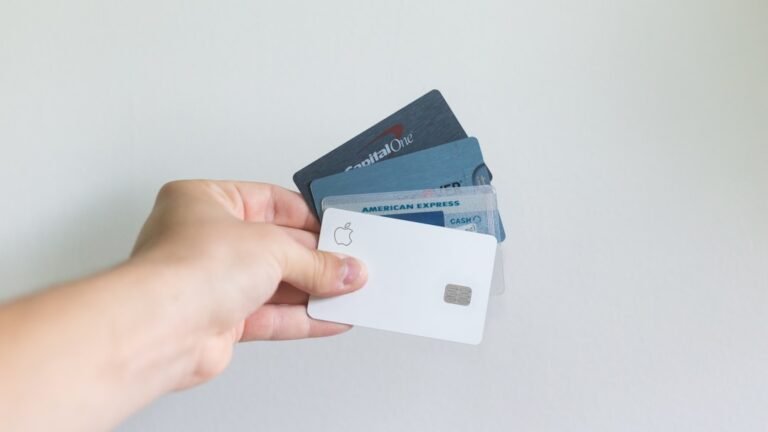

An emergency fund functions as a financial safety net, providing individuals and families with resources to handle unexpected expenses without compromising their financial stability. Emergencies such as medical bills, vehicle repairs, or job loss can occur without warning. Without a designated fund for these situations, people often rely on high-interest credit cards or loans, potentially creating debt cycles that are challenging to resolve.
An emergency fund provides financial security and enables individuals to address unforeseen circumstances without additional financial stress. An emergency fund serves purposes beyond covering immediate expenses and contributes significantly to long-term financial health. This financial buffer prevents individuals from withdrawing money from retirement accounts or other long-term investments, which can impede financial growth.
For example, someone facing an unexpected medical expense without an emergency fund might withdraw from their 401(k), resulting in penalties and reduced retirement savings. Establishing an emergency fund represents a fundamental component of a comprehensive financial strategy that addresses both immediate needs and long-term objectives.
Setting Realistic Savings Goals
Establishing realistic savings goals is essential for effectively building an emergency fund. The first step in this process is to determine the appropriate size of the fund based on individual circumstances. Financial experts often recommend saving three to six months’ worth of living expenses.
This figure can vary depending on factors such as job stability, income level, and personal responsibilities. For instance, a single individual with a stable job may feel comfortable with three months’ worth of expenses, while a family with dependents might aim for six months or more to ensure adequate coverage during potential job loss or other emergencies. Once the target amount is established, breaking it down into manageable milestones can make the savings process less daunting.
For example, if the goal is to save $12,000 over the next year, setting a monthly savings target of $1,000 can provide a clear path forward. Additionally, individuals should consider their current financial situation and any existing debts when setting these goals. It may be more practical to start with a smaller target and gradually increase it as financial circumstances improve.
This approach not only fosters a sense of accomplishment as each milestone is reached but also helps maintain motivation throughout the savings journey.
Creating a Budget to Prioritize Savings

A well-structured budget is a critical tool for prioritizing savings and ensuring that contributions to an emergency fund are consistent and achievable. The first step in creating an effective budget is to track all sources of income and categorize expenses into fixed and variable costs. Fixed expenses include rent or mortgage payments, utilities, and insurance premiums, while variable costs encompass discretionary spending such as dining out, entertainment, and shopping.
By gaining a clear understanding of where money is being spent, individuals can identify areas where adjustments can be made to free up funds for savings. Once expenses are categorized, individuals can allocate a specific portion of their income toward their emergency fund within their budget. This allocation should be treated as a non-negotiable expense, similar to rent or utilities.
For example, if someone earns $3,000 per month and decides to allocate 10% toward their emergency fund, they would set aside $300 each month. This disciplined approach not only ensures that savings are prioritized but also instills a sense of accountability in managing finances. Regularly reviewing and adjusting the budget as circumstances change—such as receiving a raise or incurring new expenses—can help maintain momentum in building the emergency fund.
Finding Ways to Cut Expenses
Identifying opportunities to cut expenses is a vital component of building an emergency fund more quickly. Many individuals may not realize how small changes in spending habits can accumulate significant savings over time. One effective strategy is to conduct a thorough review of monthly subscriptions and memberships.
Services such as streaming platforms, gym memberships, or magazine subscriptions can add up quickly. By evaluating which services are truly valuable and eliminating those that are underutilized, individuals can redirect those funds toward their emergency savings. Another area where expenses can often be trimmed is in grocery shopping.
Implementing strategies such as meal planning, using coupons, and buying in bulk can lead to substantial savings on food costs. For instance, planning meals for the week based on sales at local grocery stores can help avoid impulse purchases and reduce food waste. Additionally, cooking at home rather than dining out not only saves money but also promotes healthier eating habits.
By making conscious choices about spending in these areas, individuals can create additional room in their budgets for emergency fund contributions.
Increasing Income to Boost Savings
| Strategy | Description | Recommended Amount | Timeframe | Key Benefit |
|---|---|---|---|---|
| Set a Monthly Savings Goal | Determine a fixed amount to save each month from your income. | 10-20% of monthly income | 6-12 months | Builds consistent saving habit |
| Automate Savings | Use automatic transfers to move money into a separate savings account. | Varies based on income | Ongoing | Reduces temptation to spend |
| Cut Non-Essential Expenses | Identify and reduce discretionary spending to free up funds. | Varies | 1-3 months | Increases available savings quickly |
| Use Windfalls Wisely | Allocate bonuses, tax refunds, or gifts directly to the emergency fund. | 100% of windfalls | As received | Accelerates fund growth |
| Start Small and Increase Gradually | Begin with manageable amounts and increase savings over time. | Initial small amount, increase by 5% every 3 months | 6-12 months | Prevents burnout and builds momentum |
| Keep Funds Accessible but Separate | Store emergency funds in a liquid, separate account for easy access. | 3-6 months of essential expenses | Ongoing maintenance | Ensures funds are available when needed |
While cutting expenses is an effective way to enhance savings potential, increasing income can provide an even more significant boost to an emergency fund. There are various avenues through which individuals can explore additional income streams. One common approach is taking on part-time work or freelance opportunities that align with one’s skills and interests.
For example, someone with expertise in graphic design might consider freelancing on platforms like Upwork or Fiverr, allowing them to earn extra money while utilizing their talents. Additionally, individuals can explore passive income opportunities that require minimal ongoing effort once established. This could include investing in dividend-paying stocks or real estate properties that generate rental income.
While these options may require initial capital or effort to set up, they can provide ongoing financial benefits that contribute to building an emergency fund over time. By diversifying income sources and actively seeking new opportunities, individuals can significantly accelerate their savings efforts.
Choosing the Right Savings Account
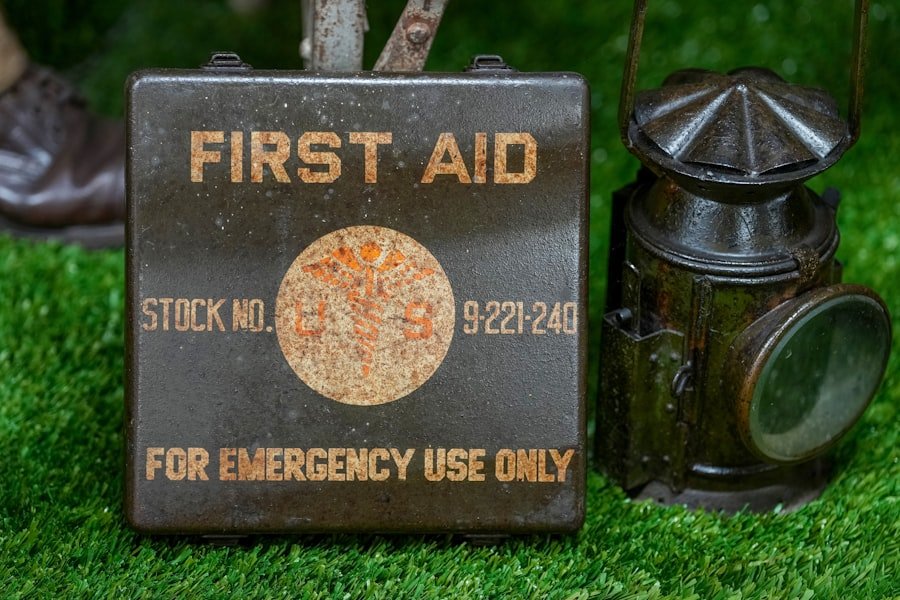
Selecting the appropriate savings account for an emergency fund is crucial for maximizing growth while ensuring accessibility when needed. Traditional savings accounts offered by banks typically provide low interest rates but offer easy access to funds without penalties. However, for those looking to grow their emergency fund more effectively, high-yield savings accounts or online banks may present better options.
These accounts often offer significantly higher interest rates compared to traditional banks due to lower overhead costs. When choosing a savings account, it’s essential to consider factors such as fees, minimum balance requirements, and withdrawal limits. Some accounts may charge monthly maintenance fees that could erode savings over time; therefore, seeking accounts with no fees or those that waive fees with certain balance thresholds is advisable.
Additionally, ensuring that the chosen account is FDIC-insured provides peace of mind that funds are protected up to the insured limit. By carefully evaluating these factors and selecting the right account type, individuals can optimize their emergency fund’s growth potential while maintaining easy access when emergencies arise.
Automating Savings Contributions
Automating contributions to an emergency fund is one of the most effective strategies for ensuring consistent savings over time. By setting up automatic transfers from checking accounts to savings accounts on a regular basis—such as after each paycheck—individuals can remove the temptation to spend those funds elsewhere. This “pay yourself first” approach ensures that savings are prioritized before discretionary spending occurs.
Many banks and financial institutions offer features that allow customers to automate transfers easily. For instance, setting up an automatic transfer of $200 every two weeks directly into a high-yield savings account can help build the emergency fund steadily without requiring constant attention or willpower. Over time, these automated contributions accumulate significantly; even small amounts can lead to substantial savings when compounded over months and years.
This method not only simplifies the saving process but also fosters discipline in managing finances.
Staying Committed to Building Your Emergency Fund
Building an emergency fund requires commitment and perseverance, especially when faced with competing financial priorities or unexpected expenses. To maintain motivation throughout this journey, individuals should regularly revisit their goals and celebrate milestones along the way. Keeping track of progress—whether through spreadsheets or budgeting apps—can provide visual reminders of how far one has come and reinforce the importance of staying on course.
Additionally, it’s beneficial to remind oneself of the purpose behind the emergency fund: providing security and peace of mind during uncertain times. Engaging with supportive communities—whether online forums or local financial workshops—can also help maintain motivation by sharing experiences and tips with others who are on similar journeys. Ultimately, staying committed involves recognizing that building an emergency fund is not just about reaching a specific dollar amount; it’s about cultivating healthy financial habits that will serve individuals well throughout their lives.
FAQs
What is an emergency fund?
An emergency fund is a savings reserve set aside to cover unexpected expenses or financial emergencies, such as medical bills, car repairs, or job loss.
How much money should I have in my emergency fund?
Financial experts generally recommend saving three to six months’ worth of living expenses in an emergency fund. The exact amount depends on your personal circumstances, job stability, and monthly expenses.
What are the best strategies for building an emergency fund?
Effective strategies include setting a realistic savings goal, automating regular transfers to a separate savings account, cutting unnecessary expenses, using windfalls or bonuses to boost savings, and gradually increasing contributions over time.
Where should I keep my emergency fund?
An emergency fund should be kept in a liquid and easily accessible account, such as a high-yield savings account or a money market account, to ensure quick access when needed.
How can I stay motivated to build my emergency fund?
Staying motivated can be achieved by setting clear goals, tracking progress regularly, celebrating milestones, and reminding yourself of the financial security the fund provides.
Is it okay to use my emergency fund for non-emergencies?
It is generally advised to use the emergency fund only for true emergencies to maintain financial security. Using it for non-essential expenses can deplete your safety net.
How long does it typically take to build an emergency fund?
The time required varies based on income, expenses, and savings rate. With consistent effort, many people can build a basic emergency fund within six months to a year.
Can I build an emergency fund if I have debt?
Yes, it is possible. Many experts suggest balancing debt repayment with building a small emergency fund first, then focusing on both simultaneously to avoid financial setbacks.
Should I adjust my emergency fund over time?
Yes, it’s important to review and adjust your emergency fund periodically to reflect changes in your living expenses, family size, or financial situation.
About the Author