
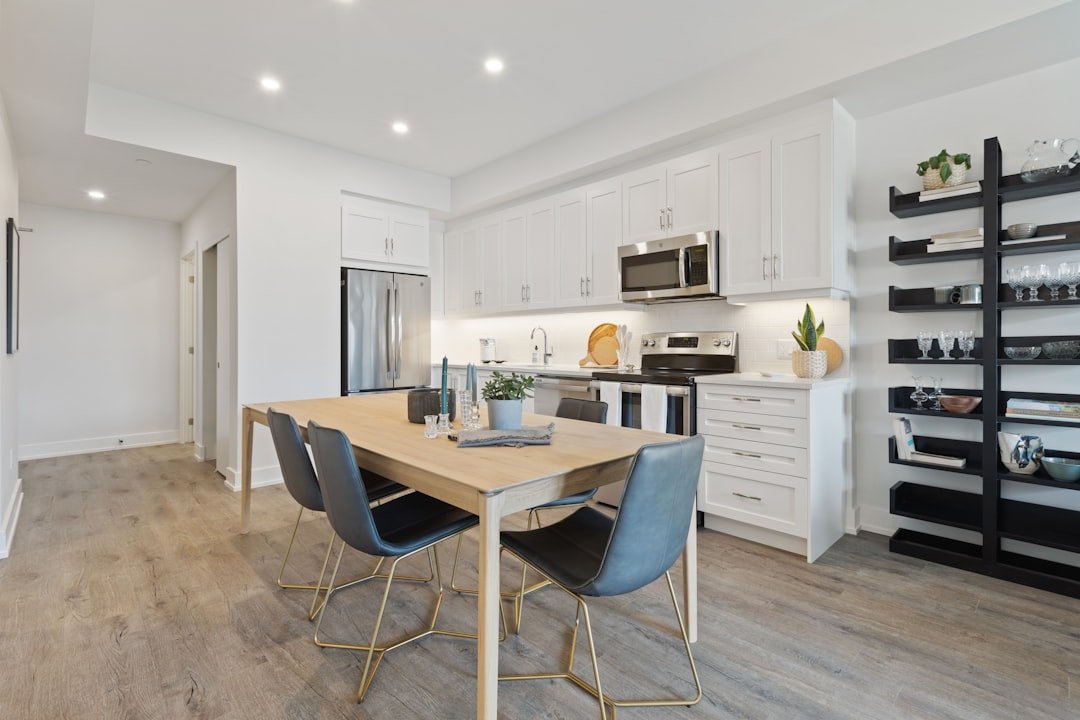
The kitchen is often regarded as the heart of the home, a space where culinary creativity flourishes and family gatherings take place. As such, the design of this vital area is crucial, leading homeowners to explore various options to achieve their ideal kitchen. Among the most popular choices are modular and custom kitchen designs, each offering distinct advantages and challenges.
Modular kitchens are pre-manufactured units that can be assembled on-site, providing a streamlined approach to kitchen design. In contrast, custom kitchens are tailored specifically to the homeowner’s preferences and the unique dimensions of their space, allowing for a more personalized touch. The choice between modular and custom kitchen designs often hinges on several factors, including budget, design preferences, and the specific needs of the household.
Modular kitchens are typically seen as a more cost-effective solution, appealing to those who desire a functional kitchen without the extensive investment that custom designs often require. On the other hand, custom kitchens cater to those who prioritize individuality and are willing to invest time and resources into creating a space that reflects their personal style. Understanding the nuances of each option is essential for homeowners looking to make informed decisions about their kitchen renovations.
Cost Comparison: Modular vs Custom Kitchen Designs
When it comes to budgeting for a kitchen renovation, cost is often a primary concern for homeowners. Modular kitchens generally present a more affordable option compared to custom designs. The reason for this cost difference lies in the manufacturing process; modular kitchens are produced in bulk, which reduces labor costs and material expenses.
Homeowners can often find pre-packaged modular kitchen units that include cabinets, countertops, and appliances at competitive prices. This affordability makes modular kitchens an attractive choice for those working within a limited budget or looking to maximize value. In contrast, custom kitchen designs can be significantly more expensive due to their bespoke nature.
Each element of a custom kitchen is designed and built specifically for the homeowner’s requirements, which often involves higher labor costs and premium materials. For instance, custom cabinetry may be crafted from high-quality hardwoods and feature intricate detailing that elevates the overall aesthetic but also increases the price tag. Additionally, the design process for custom kitchens can be time-consuming, leading to further costs associated with design consultations and revisions.
Homeowners must weigh these financial implications carefully when deciding between modular and custom options.
Design Flexibility: Modular vs Custom Kitchen Designs
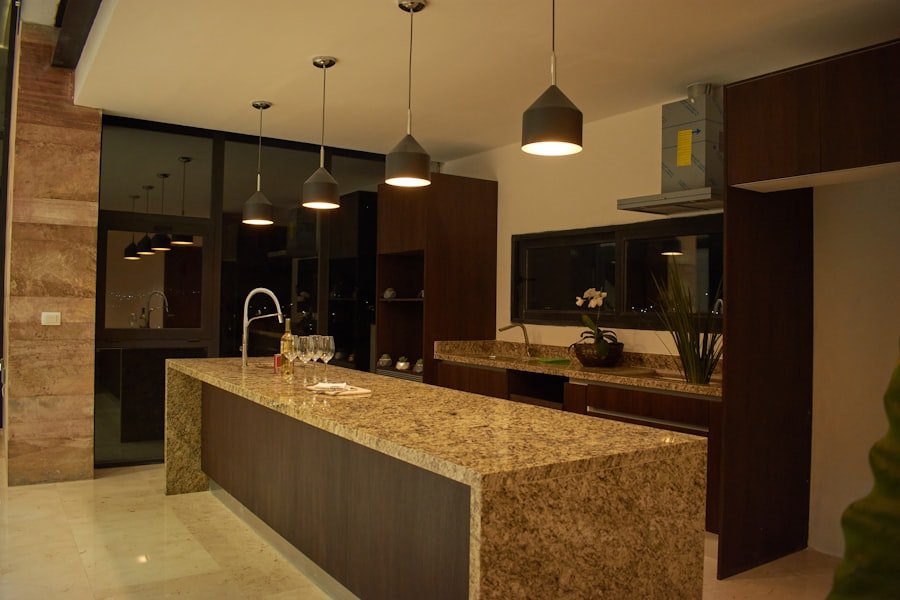
Design flexibility is another critical factor that differentiates modular kitchens from their custom counterparts. Modular kitchens offer a range of pre-designed layouts and styles that can be mixed and matched to some extent. While this allows for some degree of personalization, the options are ultimately limited by the manufacturer’s offerings.
Homeowners can choose from various finishes, colors, and configurations, but they may find themselves constrained by the dimensions and designs available in the modular range. This can be particularly challenging for those with unique spatial requirements or specific aesthetic visions. On the other hand, custom kitchen designs provide unparalleled flexibility in terms of layout and style.
Homeowners have complete control over every aspect of their kitchen, from cabinet sizes to countertop materials and even the placement of appliances. This level of customization allows for creative solutions that can maximize space efficiency and enhance functionality. For example, a homeowner with an unconventional kitchen layout may opt for custom cabinetry that fits snugly into awkward corners or incorporates innovative storage solutions tailored to their cooking habits.
This adaptability makes custom kitchens an appealing choice for those who prioritize a design that meets their specific needs.
Quality and Durability: Modular vs Custom Kitchen Designs
Quality and durability are paramount considerations when investing in a kitchen renovation. Modular kitchens can vary significantly in quality depending on the manufacturer and materials used. While many modular options are constructed from durable materials designed to withstand daily wear and tear, some lower-end products may compromise on quality to keep costs down.
Homeowners should carefully research manufacturers and seek out reviews or recommendations to ensure they select a modular kitchen that meets their standards for durability. In contrast, custom kitchens often excel in quality due to the ability to choose premium materials and craftsmanship tailored to individual preferences. Homeowners can select high-grade woods, durable countertops like granite or quartz, and top-of-the-line appliances that enhance both functionality and longevity.
The attention to detail in custom designs often results in superior construction techniques that contribute to the overall durability of the kitchen. For instance, custom cabinetry may feature solid wood construction with dovetail joints, ensuring that drawers withstand heavy use over time. This focus on quality makes custom kitchens an attractive option for those who view their kitchen as a long-term investment.
Installation Process: Modular vs Custom Kitchen Designs
| Aspect | Modular Kitchen | Custom Kitchen |
|---|---|---|
| Design Flexibility | Pre-designed modules with limited customization | Fully customizable according to specific needs and preferences |
| Installation Time | Quick installation, usually within a few days | Longer installation time due to bespoke design and construction |
| Cost | Generally more cost-effective due to mass production | Typically higher cost due to personalized design and materials |
| Material Options | Limited to standard materials offered by manufacturer | Wide range of materials can be selected based on preference |
| Space Utilization | Optimized for standard kitchen layouts | Maximized for unique or irregular spaces |
| Maintenance | Easy to replace or repair individual modules | Repairs may be complex and costly due to custom parts |
| Design Updates | Modules can be upgraded or replaced easily | Redesign requires significant effort and expense |
| Durability | Depends on manufacturer quality standards | Can be built with high-quality materials for enhanced durability |
The installation process is another area where modular and custom kitchens diverge significantly. Modular kitchens are designed for quick assembly, often allowing for installation within a matter of days. The pre-manufactured components are delivered to the site, where they can be easily assembled by a team of installers or even by homeowners themselves if they possess the necessary skills.
This streamlined process not only saves time but also minimizes disruption to daily life during renovations. Conversely, the installation of custom kitchens tends to be more complex and time-consuming. Since each element is made to order, there may be delays in production based on material availability or design changes during the process.
Once all components are ready, installation requires skilled craftsmen who can ensure that everything fits perfectly within the designated space. This meticulous approach can lead to longer installation times, sometimes extending over several weeks or even months depending on the project’s scope. Homeowners should consider their timelines when choosing between these two options, especially if they have specific deadlines or events planned.
Customization Options: Modular vs Custom Kitchen Designs
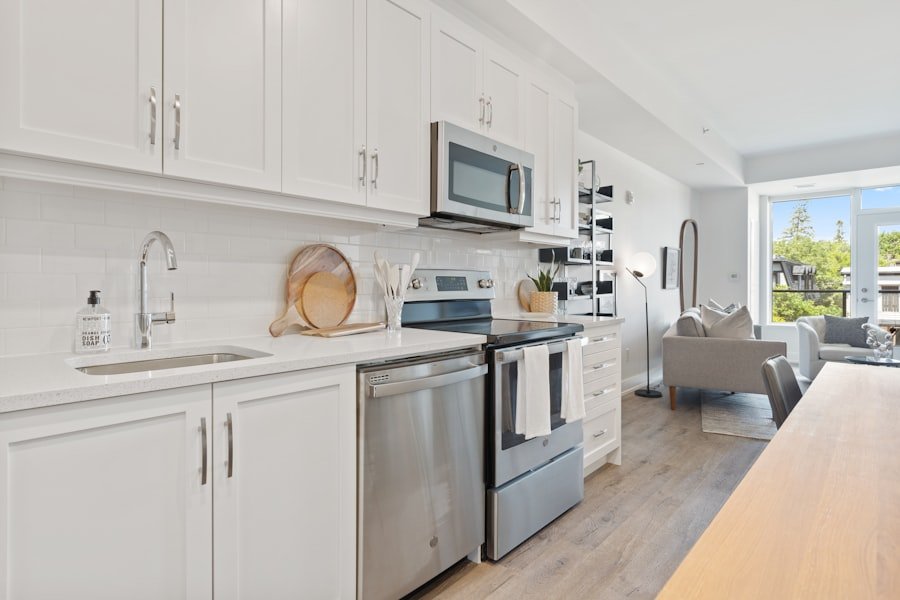
Customization options play a significant role in determining which kitchen design is best suited for individual homeowners. Modular kitchens offer a selection of pre-defined styles and finishes that can be mixed and matched; however, they do not provide the same level of customization as bespoke designs. For example, while homeowners may choose from various cabinet colors or countertop materials within a modular range, they may not have the option to create unique dimensions or specialized features like pull-out spice racks or integrated lighting solutions.
In contrast, custom kitchens allow homeowners to explore an extensive array of customization possibilities tailored specifically to their needs and preferences. From selecting unique cabinet styles to incorporating specialized storage solutions or even designing an island with specific dimensions, the options are virtually limitless. Homeowners can work closely with designers or architects to create a kitchen that not only meets their functional requirements but also reflects their personal style through unique design elements such as decorative moldings or custom backsplashes.
This level of personalization is particularly appealing for those who want their kitchen to be a true reflection of their lifestyle.
Timeframe for Completion: Modular vs Custom Kitchen Designs
The timeframe for completing a kitchen renovation can vary widely between modular and custom designs due to differences in production and installation processes. Modular kitchens typically have shorter lead times because they are manufactured in advance and stored until ordered. Once a homeowner selects their desired components, delivery and installation can occur relatively quickly—often within weeks—allowing families to enjoy their new space sooner rather than later.
In contrast, custom kitchens require more time due to the bespoke nature of their design and construction. The initial design phase may involve multiple consultations with designers or contractors to finalize plans before production begins. Once all elements are approved, manufacturing times can vary based on material availability and complexity of design features.
After production is complete, installation may take additional time as skilled craftsmen ensure every detail is executed flawlessly. Homeowners should factor in these timelines when planning their renovations, especially if they have specific deadlines or events that necessitate completion by a certain date.
Choosing the Right Kitchen Design for Your Home
Selecting between modular and custom kitchen designs ultimately depends on individual priorities and circumstances. Homeowners must consider factors such as budget constraints, desired level of customization, quality expectations, installation timelines, and overall design flexibility when making this important decision. By carefully evaluating these aspects, homeowners can choose a kitchen design that not only meets their functional needs but also enhances their living space in a way that reflects their personal style and lifestyle preferences.
Whether opting for the efficiency of modular kitchens or the bespoke elegance of custom designs, understanding these key differences will empower homeowners to create a kitchen that truly serves as the heart of their home.
FAQs
What is a modular kitchen design?
A modular kitchen design consists of pre-made cabinet units or modules that are manufactured in standard sizes. These modules can be assembled and arranged in various configurations to fit the kitchen space, offering flexibility and ease of installation.
What defines a custom kitchen design?
A custom kitchen design is tailored specifically to the homeowner’s requirements and the unique dimensions of the kitchen space. It involves creating cabinets and storage solutions from scratch, allowing for personalized features, materials, and finishes.
How do modular and custom kitchens differ in terms of cost?
Modular kitchens are generally more cost-effective due to mass production and standardized components. Custom kitchens tend to be more expensive because they require bespoke craftsmanship, unique materials, and longer design and installation times.
Which kitchen design offers more flexibility in layout?
Custom kitchens offer greater flexibility in layout since they are designed to fit the exact dimensions and specific needs of the space. Modular kitchens provide flexibility through interchangeable modules but are limited to standard sizes and configurations.
How does installation time compare between modular and custom kitchens?
Modular kitchens typically have a shorter installation time because the components are pre-fabricated and only need to be assembled on-site. Custom kitchens require more time for design, fabrication, and installation due to their bespoke nature.
Can modular kitchens be modified after installation?
Yes, modular kitchens can be modified or expanded relatively easily by replacing or adding modules. Custom kitchens are less adaptable after installation because they are built specifically for the original design.
Which kitchen design is easier to maintain?
Modular kitchens are generally easier to maintain because their components are standardized and can be replaced individually if damaged. Custom kitchens may require specialized maintenance or repairs due to unique materials or construction.
Are there differences in design aesthetics between modular and custom kitchens?
Modular kitchens offer a wide range of styles but are limited to the available module designs and finishes. Custom kitchens provide unlimited design possibilities, allowing for unique aesthetics tailored to personal preferences.
Which kitchen design is better for small spaces?
Modular kitchens are often preferred for small spaces because their compact, standardized units can maximize storage and functionality efficiently. However, custom kitchens can also be designed to optimize small spaces with tailored solutions.
Do modular kitchens come with warranties?
Many modular kitchen manufacturers offer warranties on their products, covering defects in materials and workmanship. Custom kitchens may or may not have warranties depending on the contractor or craftsman involved.
About the Author