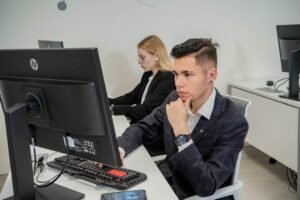

In the contemporary educational landscape, the emphasis on soft skills has gained significant traction. Soft skills, often referred to as interpersonal or people skills, encompass a range of abilities that facilitate effective communication, collaboration, and problem-solving. Unlike hard skills, which are technical and quantifiable, soft skills are more nuanced and often relate to emotional intelligence, adaptability, and teamwork.
The importance of these skills in education cannot be overstated, as they play a crucial role in preparing students for the complexities of the modern workforce and society at large. Employers increasingly prioritize soft skills alongside technical competencies when evaluating potential hires. A report from the World Economic Forum highlights that by 2025, skills such as critical thinking, creativity, and emotional intelligence will be among the top ten skills required in the workforce.
This shift underscores the necessity for educational institutions to integrate soft skills into their curricula. By fostering these abilities in students, educators not only enhance their employability but also equip them with the tools needed to navigate interpersonal relationships and societal challenges effectively.
Key Takeaways
- Soft skills are crucial for success in education and beyond, as they complement academic knowledge and technical skills.
- Key soft skills for integration include communication, teamwork, critical thinking, creativity, adaptability, and emotional intelligence.
- Strategies for integrating soft skills into core curriculum include project-based learning, experiential learning, and incorporating real-world scenarios into lessons.
- Teachers play a vital role in developing soft skills by modeling behaviors, providing feedback, and creating a supportive learning environment.
- Assessing and measuring soft skills in education can be done through observation, self-assessment, peer evaluation, and rubrics.
Identifying Key Soft Skills for Integration
To effectively integrate soft skills into educational frameworks, it is essential to identify which specific skills are most beneficial for students. Among the myriad of soft skills, communication stands out as a foundational element. The ability to articulate thoughts clearly and listen actively is vital in both academic settings and future workplaces.
Furthermore, teamwork is another critical skill; students must learn to collaborate with diverse groups, respecting different perspectives while working towards common goals. Problem-solving and critical thinking are also paramount in today’s fast-paced world. These skills enable students to analyze situations, make informed decisions, and approach challenges with creativity and resilience.
Additionally, adaptability is increasingly important as the landscape of work continues to evolve rapidly due to technological advancements and globalization. By focusing on these key soft skills—communication, teamwork, problem-solving, critical thinking, and adaptability—educators can create a robust framework for student development that aligns with the demands of modern society.
Strategies for Integrating Soft Skills into Core Curriculum
Integrating soft skills into the core curriculum requires innovative strategies that transcend traditional teaching methods. One effective approach is project-based learning (PBL), where students engage in real-world projects that necessitate collaboration and communication. For instance, a science class might involve students working in teams to design an experiment, requiring them to discuss ideas, delegate tasks, and present their findings.
This hands-on experience not only reinforces academic content but also cultivates essential soft skills. Another strategy involves incorporating role-playing and simulations into lessons. For example, in a history class, students could reenact historical events or debates, allowing them to practice public speaking and negotiation skills in a controlled environment.
Such activities encourage students to step outside their comfort zones while developing empathy and understanding of different viewpoints. Additionally, integrating reflective practices—such as journaling or group discussions—can help students articulate their learning experiences and assess their growth in soft skills over time.
The Role of Teachers in Developing Soft Skills
| Soft Skills | Importance | Role of Teachers |
|---|---|---|
| Communication | High | Encouraging class discussions and providing feedback on presentations |
| Teamwork | Medium | Assigning group projects and facilitating group activities |
| Problem-solving | High | Presenting real-life scenarios and guiding students through the problem-solving process |
| Adaptability | Medium | Exposing students to diverse perspectives and challenging assignments |
| Time Management | High | Setting deadlines and providing time management tips |
Teachers play a pivotal role in fostering soft skills within their classrooms. Their influence extends beyond imparting knowledge; they serve as role models for effective communication and collaboration. By demonstrating active listening and respectful dialogue, educators can create a classroom culture that values these behaviors.
Moreover, teachers can intentionally design classroom activities that require students to engage with one another, thereby reinforcing the importance of teamwork and interpersonal relationships. Professional development for teachers is also crucial in equipping them with the tools necessary to teach soft skills effectively. Workshops focused on strategies for integrating soft skills into lesson plans can empower educators to feel confident in their ability to facilitate these discussions.
Furthermore, teachers can provide constructive feedback on students’ soft skill development, helping them recognize areas for improvement and celebrate their successes. By prioritizing soft skill development within their teaching practices, educators can significantly impact their students’ overall growth and readiness for future challenges.
Assessing and Measuring Soft Skills in Education
Assessing soft skills presents unique challenges compared to traditional academic subjects. However, various methods can be employed to evaluate students’ proficiency in these areas effectively. One approach is through observational assessments, where teachers monitor student interactions during group work or class discussions.
By noting behaviors such as collaboration, communication effectiveness, and conflict resolution strategies, educators can gain insights into each student’s soft skill development. Another method involves self-assessment tools that encourage students to reflect on their own abilities and areas for growth. Surveys or questionnaires can be designed to help students evaluate their communication styles or teamwork experiences.
Peer assessments can also be valuable; students can provide feedback on each other’s contributions during group projects, fostering a sense of accountability and encouraging constructive criticism. Combining these assessment methods allows for a more comprehensive understanding of each student’s soft skill capabilities.
Overcoming Challenges in Integrating Soft Skills

Despite the clear benefits of integrating soft skills into education, several challenges may arise during implementation. One significant hurdle is the existing focus on standardized testing and academic performance metrics that often overshadow the importance of soft skills. Educators may feel pressured to prioritize content knowledge over interpersonal skill development due to accountability measures tied to test scores.
Additionally, there may be a lack of resources or training available for teachers to effectively incorporate soft skills into their curricula. Schools may not have access to professional development opportunities that focus specifically on this area, leaving educators feeling ill-equipped to address soft skill integration. To overcome these challenges, educational institutions must advocate for a more holistic approach to student assessment that values both academic achievement and interpersonal competencies.
The Impact of Soft Skills Integration on Student Success
The integration of soft skills into education has profound implications for student success both academically and personally. Research indicates that students who possess strong soft skills tend to perform better academically due to their enhanced ability to collaborate with peers and communicate effectively with teachers. These skills also contribute to improved classroom behavior and engagement, creating a more conducive learning environment.
Beyond academic performance, the development of soft skills prepares students for life beyond school. Graduates equipped with strong interpersonal abilities are more likely to excel in their careers, adapt to workplace dynamics, and build meaningful professional relationships. Furthermore, these skills contribute to personal well-being; individuals who can navigate social situations with confidence often experience greater satisfaction in their personal lives.
Thus, integrating soft skills into education not only fosters academic success but also cultivates well-rounded individuals prepared for the complexities of adult life.
Future Trends in Soft Skills Integration in Education
As we look toward the future of education, several trends are emerging regarding the integration of soft skills into curricula. One notable trend is the increasing use of technology to facilitate soft skill development. Online platforms and virtual collaboration tools are becoming commonplace in classrooms, allowing students to engage with peers from diverse backgrounds while honing their communication and teamwork abilities in digital environments.
Moreover, there is a growing recognition of the importance of social-emotional learning (SEL) within educational frameworks. Schools are beginning to adopt SEL programs that explicitly teach emotional intelligence, empathy, and resilience alongside traditional academic subjects. This shift reflects an understanding that fostering emotional well-being is integral to overall student success.
Additionally, partnerships between educational institutions and businesses are likely to expand as employers seek graduates who possess both technical knowledge and strong soft skills. Collaborative initiatives may include internships or mentorship programs that provide students with real-world experiences where they can practice and refine their interpersonal abilities. In conclusion, the integration of soft skills into education is not merely an enhancement but a necessity for preparing students for the complexities of modern life.
As educational paradigms continue to evolve, prioritizing these essential competencies will ensure that future generations are equipped not only with knowledge but also with the interpersonal tools needed for success in an increasingly interconnected world.
FAQs
What are soft skills?
Soft skills are non-technical skills that relate to how you work. They include communication, teamwork, problem-solving, time management, and leadership, among others.
Why are soft skills important?
Soft skills are important because they are essential for success in the workplace. Employers value soft skills because they contribute to a positive work environment, effective teamwork, and overall productivity.
How can soft skills be integrated into the core curriculum?
Soft skills can be integrated into the core curriculum by incorporating them into lesson plans, projects, and assessments. Teachers can also provide opportunities for students to practice and develop their soft skills through group work, presentations, and real-world applications.
What are the benefits of integrating soft skills into the core curriculum?
Integrating soft skills into the core curriculum helps students develop the skills they need to succeed in the workplace and in life. It also prepares them to be well-rounded individuals who can effectively communicate, collaborate, and problem-solve.
How can teachers assess students’ soft skills?
Teachers can assess students’ soft skills through observation, self-assessments, peer evaluations, and reflective activities. They can also incorporate rubrics and specific criteria for soft skills into their assessments.