Flooring is a fundamental aspect of interior design, influencing not only the aesthetic appeal of a space but also its functionality and comfort. Among the myriad of flooring options available today, laminate, hardwood, and vinyl flooring stand out as popular choices for homeowners and designers alike. Each type of flooring offers unique characteristics that cater to different needs, preferences, and budgets.
Laminate flooring, known for its affordability and ease of installation, mimics the appearance of natural wood or stone while providing a durable surface. Hardwood flooring, on the other hand, is revered for its timeless beauty and longevity, often becoming a cherished feature in homes. Vinyl flooring has gained traction in recent years due to its versatility and resilience, making it suitable for various environments.
Understanding the distinctions between these flooring types is crucial for making an informed decision. Laminate flooring consists of multiple layers, including a high-density fiberboard core and a photographic layer that replicates the look of wood or stone. This construction allows for a wide range of designs while maintaining affordability.
Hardwood flooring is crafted from solid wood or engineered wood, offering a natural aesthetic that can enhance the value of a home. Vinyl flooring, available in sheets, tiles, or planks, is made from synthetic materials and is designed to withstand moisture and heavy foot traffic. Each option presents its own set of advantages and challenges, making it essential to evaluate them based on individual needs and circumstances.
Durability and Longevity of Laminate, Hardwood, and Vinyl Flooring
When considering flooring options, durability and longevity are paramount factors that influence the overall value and practicality of a choice. Laminate flooring is engineered to be highly resistant to scratches, dents, and fading, making it an excellent option for high-traffic areas or homes with pets and children. The wear layer on laminate floors protects against everyday wear and tear, allowing them to maintain their appearance over time.
However, while laminate can withstand significant abuse, it is not impervious to moisture damage; prolonged exposure to water can lead to warping or swelling. Hardwood flooring boasts remarkable durability when properly maintained. Solid hardwood can last for decades—often over a century—if cared for correctly.
Its ability to be sanded and refinished multiple times adds to its longevity, allowing homeowners to restore its original luster after years of use. However, hardwood is susceptible to scratches and dents from heavy furniture or pet claws. Additionally, it can be affected by humidity levels; excessive moisture can cause expansion, while low humidity can lead to shrinkage.
Engineered hardwood offers a compromise by providing enhanced stability against moisture while still delivering the classic look of solid wood. Vinyl flooring has emerged as a strong contender in terms of durability. It is inherently water-resistant and can withstand spills without damage, making it ideal for kitchens and bathrooms.
High-quality vinyl products can resist scratches and stains effectively, ensuring they maintain their appearance even in busy households. The lifespan of vinyl flooring can vary depending on the quality of the product; premium vinyl can last up to 20 years or more with proper care. However, lower-quality options may not hold up as well over time, leading to potential issues such as peeling or fading.
Installation Process and Cost of Laminate, Hardwood, and Vinyl Flooring
The installation process for laminate, hardwood, and vinyl flooring varies significantly due to their differing materials and construction methods. Laminate flooring is often lauded for its straightforward installation process. Many laminate products feature a click-lock system that allows planks to snap together without the need for glue or nails.
This DIY-friendly approach can save homeowners money on labor costs if they choose to install it themselves. The average cost of laminate flooring ranges from $1 to $5 per square foot, depending on the quality and design. In contrast, hardwood flooring installation can be more complex and labor-intensive.
Solid hardwood typically requires nailing down or stapling to a wooden subfloor, while engineered hardwood can be installed using glue or floating methods. Professional installation is often recommended for hardwood due to the precision required in measuring and cutting planks. The cost of hardwood flooring varies widely based on the type of wood selected; prices can range from $3 to $12 per square foot or more for exotic species.
Additionally, installation costs can add another $3 to $8 per square foot. Vinyl flooring offers flexibility in installation methods as well. It can be installed as loose lay, glued down, or as a floating floor with interlocking planks.
The ease of installation makes vinyl an attractive option for DIY enthusiasts as well as those looking to save on labor costs. The price range for vinyl flooring typically falls between $1 to $7 per square foot, depending on whether it’s sheet vinyl or luxury vinyl planks (LVP). Luxury vinyl often comes with enhanced features such as thicker wear layers and more realistic designs but may also incur higher installation costs.
Maintenance and Cleaning of Laminate, Hardwood, and Vinyl Flooring
Maintenance requirements differ significantly among laminate, hardwood, and vinyl flooring types, impacting their long-term appeal and usability in various environments. Laminate flooring is relatively low-maintenance; regular sweeping or vacuuming is usually sufficient to keep dirt and debris at bay. For deeper cleaning, damp mopping with a manufacturer-recommended cleaner can help maintain its shine without causing damage.
However, it’s crucial to avoid excessive water exposure since laminate is not waterproof. Hardwood flooring requires more attention to maintain its beauty over time. Regular sweeping or vacuuming is essential to prevent scratches caused by dirt particles.
Periodic cleaning with a damp mop using a pH-neutral cleaner specifically designed for hardwood is recommended. Additionally, hardwood floors should be refinished every few years depending on wear; this process involves sanding down the surface and applying a new finish to restore its luster. Humidity control is also vital; using humidifiers in dry seasons can help prevent cracks and gaps from forming.
Vinyl flooring stands out for its ease of maintenance compared to other types. It is resistant to stains and spills, making it easy to clean with just soap and water or a gentle floor cleaner. Regular sweeping or vacuuming helps maintain its appearance by removing dirt that could scratch the surface over time.
Unlike hardwood or laminate, vinyl does not require refinishing or special treatments; however, it’s advisable to avoid harsh chemicals that could damage the surface.
Appearance and Design Options for Laminate, Hardwood, and Vinyl Flooring
| Feature | Laminate Flooring | Hardwood Flooring | Vinyl Flooring |
|---|---|---|---|
| Material Composition | High-density fiberboard with photographic layer | Solid wood or engineered wood | PVC (polyvinyl chloride) with various layers |
| Appearance | Realistic wood look via photographic layer | Natural wood grain and texture | Varies: wood, stone, or tile look |
| Durability | Moderate; resistant to scratches but can swell with water | High; can be sanded and refinished multiple times | High; water-resistant and scratch-resistant |
| Water Resistance | Low to moderate; not suitable for wet areas | Low; can warp if exposed to moisture | High; suitable for bathrooms and kitchens |
| Installation | Click-lock or glue-down; DIY-friendly | Nail-down, glue-down, or floating; professional recommended | Click-lock, glue-down, or loose lay; DIY-friendly |
| Maintenance | Easy; regular sweeping and occasional damp mopping | Moderate; requires refinishing and careful cleaning | Easy; regular sweeping and mopping |
| Cost Range | Low to moderate | High | Low to moderate |
| Lifespan | 10-25 years | 25-100+ years | 10-20 years |
| Environmental Impact | Uses composite materials; less sustainable | Renewable resource; can be sustainably sourced | Made from synthetic materials; recycling options vary |
The aesthetic appeal of flooring plays a significant role in home design decisions. Laminate flooring has evolved dramatically over the years in terms of design options available. With advanced printing technology, laminate can convincingly mimic the look of various wood species or even stone textures at a fraction of the cost of natural materials.
Homeowners can choose from an extensive range of colors, patterns, and finishes that suit their personal style—from rustic oak looks to sleek modern designs. Hardwood flooring remains a classic choice due to its natural beauty and warmth. The variety of wood species available—such as oak, maple, cherry, and walnut—offers diverse grain patterns and color variations that can complement any interior design theme.
Additionally, hardwood can be stained in various shades or left natural for a more organic look. The ability to refinish hardwood floors also allows homeowners to change their appearance over time without needing complete replacement. Vinyl flooring has made significant strides in design versatility as well.
Luxury vinyl planks (LVP) are particularly popular due to their realistic wood-like appearance combined with the benefits of synthetic materials. Vinyl tiles can replicate intricate tile designs or stone patterns effectively while providing comfort underfoot. The wide array of colors and styles available means that homeowners can find options that fit any decor theme—from traditional to contemporary.
Environmental Impact of Laminate, Hardwood, and Vinyl Flooring
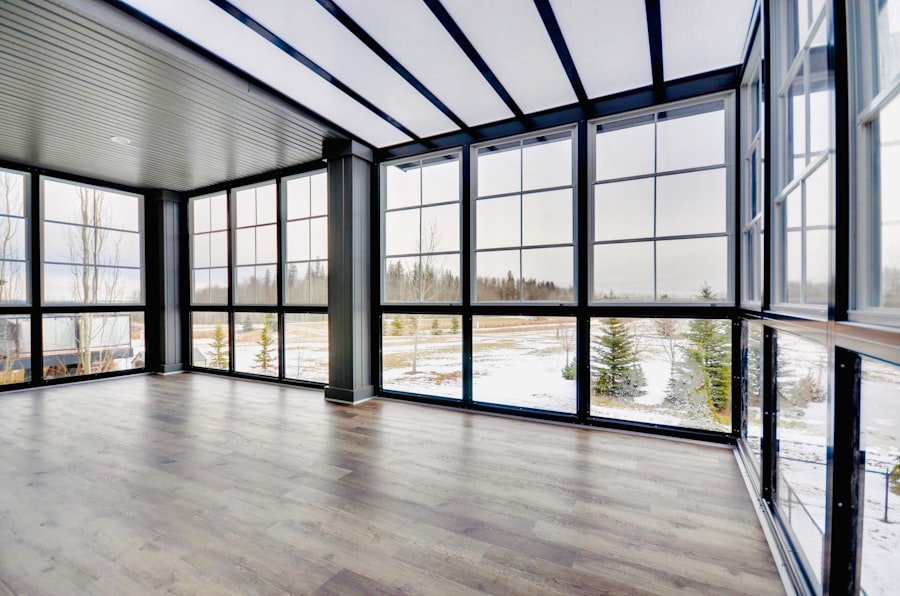
The environmental impact of flooring choices has become increasingly important as consumers seek sustainable options for their homes. Laminate flooring typically consists of composite materials that may include recycled content; however, the production process involves adhesives that can emit volatile organic compounds (VOCs). While many manufacturers are working towards reducing their environmental footprint through sustainable practices and certifications like FloorScore or Greenguard Gold, laminate still falls short compared to natural materials.
Hardwood flooring has both positive and negative environmental implications. On one hand, responsibly sourced hardwood from sustainably managed forests can contribute positively by promoting forest conservation efforts. Additionally, hardwood is biodegradable at the end of its life cycle if not treated with harmful chemicals.
However, deforestation concerns arise when sourcing practices are not sustainable; thus it’s essential for consumers to seek certifications such as FSC (Forest Stewardship Council) when purchasing hardwood products. Vinyl flooring’s environmental impact is more complex due to its synthetic nature. While modern manufacturing processes have improved in terms of reducing harmful emissions during production, concerns remain regarding the disposal of vinyl products at the end of their life cycle since they are not biodegradable.
However, some manufacturers are beginning to offer recycling programs for old vinyl products which can mitigate some environmental concerns associated with waste.
Resale Value and Return on Investment for Laminate, Hardwood, and Vinyl Flooring
When considering flooring options from an investment perspective, resale value plays a crucial role in decision-making for homeowners looking to enhance their property’s appeal on the market. Hardwood flooring consistently ranks high among potential buyers due to its timeless elegance and durability; many homebuyers view hardwood floors as a desirable feature that adds value to a property. Studies have shown that homes with hardwood floors can sell for up to 2% more than comparable homes without them.
Laminate flooring offers an affordable alternative that appeals primarily to budget-conscious buyers or those looking for temporary solutions without sacrificing aesthetics entirely. While laminate may not provide the same level of return on investment as hardwood when it comes time to sell a home, it can still attract buyers seeking low-maintenance options at a lower price point. Vinyl flooring has gained popularity in recent years due to its versatility and affordability; however, its impact on resale value may vary depending on market trends in specific regions.
In areas where luxury vinyl planks are favored for their realistic appearance combined with durability—such as urban settings—homes featuring high-quality vinyl may see favorable returns compared to those with lower-end options.
Choosing the Right Flooring for Your Home
Selecting the right flooring involves careful consideration of various factors including durability, maintenance requirements, aesthetic preferences, environmental impact, and potential return on investment. Each type—laminate, hardwood, or vinyl—offers distinct advantages tailored to different lifestyles and budgets. By evaluating these aspects thoroughly alongside personal preferences and long-term goals for your home’s value enhancement strategy will ultimately guide you toward making an informed decision that aligns with your vision for your living space.
FAQs
What are the main differences between laminate, hardwood, and vinyl flooring?
Laminate flooring is made of a fiberboard core with a photographic layer that mimics wood, topped with a protective wear layer. Hardwood flooring consists of solid wood planks or engineered wood with a real wood veneer. Vinyl flooring is made from synthetic materials, primarily PVC, and can come in sheets, tiles, or planks that imitate wood or other materials.
Which type of flooring is the most durable?
Vinyl flooring is generally the most durable and water-resistant, making it suitable for high-moisture areas. Laminate is also durable but less resistant to water damage. Hardwood is durable but can be prone to scratches, dents, and water damage if not properly maintained.
How do the costs compare among laminate, hardwood, and vinyl flooring?
Laminate flooring is typically the most affordable option, followed by vinyl, which can vary in price depending on quality and design. Hardwood flooring is usually the most expensive due to the cost of natural wood and installation.
Which flooring type is easiest to install?
Laminate and vinyl flooring often feature click-lock or peel-and-stick installation methods, making them easier for DIY projects. Hardwood flooring usually requires professional installation, especially for solid wood planks.
Can laminate, hardwood, and vinyl flooring be refinished?
Hardwood flooring can be sanded and refinished multiple times to restore its appearance. Laminate flooring cannot be refinished because its top layer is a photographic image. Vinyl flooring also cannot be refinished; damaged sections typically need to be replaced.
How do these flooring types perform in terms of maintenance?
Vinyl flooring is low maintenance and easy to clean with regular sweeping and mopping. Laminate requires similar care but should avoid excessive water. Hardwood needs more careful maintenance, including periodic refinishing and protection from moisture.
Are there environmental considerations for laminate, hardwood, and vinyl flooring?
Hardwood flooring is a natural, renewable resource but may involve deforestation concerns if not sourced sustainably. Laminate flooring uses composite wood products and synthetic materials, which may have environmental impacts. Vinyl flooring is made from PVC, a plastic that raises concerns about chemical emissions and recyclability.
Which flooring type is best for homes with pets?
Vinyl flooring is often recommended for homes with pets due to its scratch resistance and water resistance. Laminate can be susceptible to scratches, and hardwood may show wear from pet claws but can be maintained with proper care.
How do these flooring options affect home resale value?
Hardwood flooring is generally seen as a premium option that can increase home resale value. Laminate and vinyl can also be attractive to buyers, especially if they are high quality and well maintained, but they typically do not add as much value as hardwood.