Jerez de la Frontera, a city nestled in the heart of Andalusia, is often regarded as the birthplace of flamenco, a passionate and expressive art form that encompasses singing, guitar playing, dance, and even the intricate rhythms of handclapping. The roots of flamenco can be traced back to the 18th century, influenced by a rich tapestry of cultures including the Romani, Moorish, and Jewish communities that have historically inhabited the region. In Jerez, flamenco is not merely a performance; it is a way of life, deeply embedded in the local culture and identity.
The city hosts numerous flamenco festivals throughout the year, with the Festival de Jerez being one of the most prominent. This annual event attracts artists and enthusiasts from around the globe, showcasing both traditional and contemporary interpretations of flamenco. The venues for flamenco performances in Jerez are as diverse as the styles themselves.
From intimate tablaos—small venues where audiences can experience the raw energy of live performances—to grand theaters that host elaborate productions, each setting offers a unique atmosphere. The Casa de la Memoria is a notable example, where visitors can enjoy an authentic flamenco show in a cozy environment that feels like stepping back in time. The performers, often local artists who have honed their craft over generations, bring an intensity to their art that captivates audiences.
The interplay between the dancer’s movements, the guitarist’s strumming, and the singer’s emotive voice creates a visceral experience that resonates deeply with those who witness it.
Holy Week in Zamora
Holy Week, or Semana Santa, in Zamora is a profound expression of religious devotion and cultural heritage that draws thousands of visitors each year. This celebration is characterized by its solemnity and unique traditions, setting it apart from other Holy Week observances across Spain. The processions that take place throughout the week are marked by their striking visual elements, including elaborate floats adorned with religious iconography and participants dressed in traditional robes.
The most iconic aspect of Zamora’s Holy Week is perhaps its use of silence; many processions are conducted in near-complete quietude, creating an atmosphere of reflection and reverence. One of the most significant processions is the “La Procesión del Santo Entierro,” which takes place on Good Friday. This procession features a series of floats that depict scenes from the Passion of Christ, carried by members of various brotherhoods known as “cofradías.” Each cofradía has its own distinct history and traditions, often dating back centuries.
The participants march through the narrow streets of Zamora, illuminated only by candlelight, which adds to the ethereal quality of the event. The deep-rooted customs surrounding Holy Week in Zamora are not just about religious observance; they also serve as a means of community bonding, with families often participating together across generations.
The Moors and Christians Festival in Alcoy
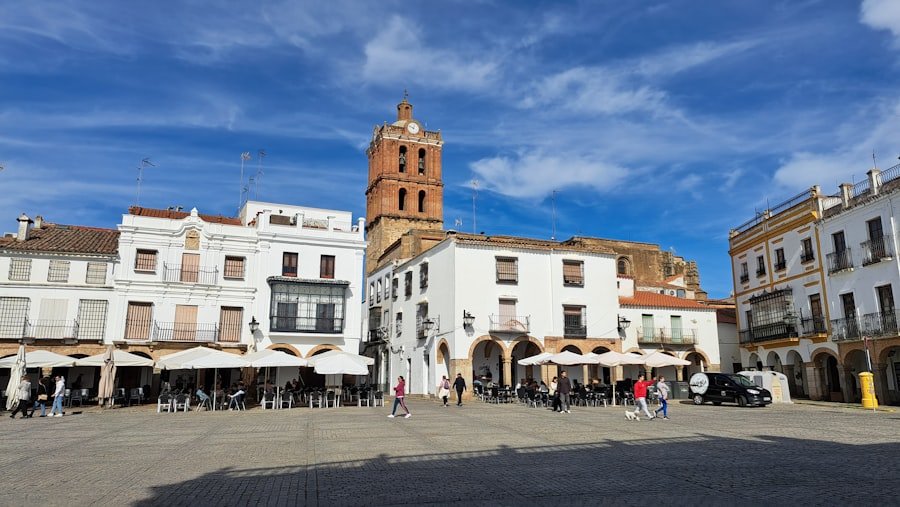
The Moors and Christians Festival in Alcoy is a vibrant celebration that commemorates the historical battles between Christian and Moorish forces during the Reconquista. This festival, which takes place annually in April, is renowned for its elaborate parades, colorful costumes, and theatrical reenactments that bring history to life. The origins of this festival can be traced back to the late 19th century when local residents sought to honor their heritage through a series of festivities that would unite the community.
Today, it has evolved into one of Spain’s most celebrated festivals, attracting visitors from all over the country and beyond. The highlight of the festival is undoubtedly the grand parades that feature groups representing both Moors and Christians. Each group meticulously prepares for months in advance, designing intricate costumes that reflect historical accuracy while also showcasing creativity and flair.
The streets of Alcoy come alive with music, dance, and the sounds of gunfire as participants engage in mock battles that symbolize the struggle for territory and faith. The festival culminates in a dramatic reenactment known as “La Entrada,” where both sides march through the town in a display of pageantry and camaraderie. This event not only serves as entertainment but also fosters a sense of pride in local history and culture.
The Carnival of Cadiz
The Carnival of Cadiz is one of Spain’s most exuberant and colorful celebrations, renowned for its lively atmosphere and satirical spirit. Taking place annually in February or March, this carnival is characterized by its extravagant costumes, street performances, and musical competitions known as “chirigotas.” These chirigotas are groups that perform humorous songs often filled with social commentary and political satire, reflecting current events and societal issues. The creativity displayed in both lyrics and costumes is a hallmark of this festival, making it a unique cultural phenomenon.
The streets of Cadiz transform into a vibrant tapestry of color during the carnival period. Participants don elaborate costumes ranging from whimsical to downright outrageous, often incorporating elements that poke fun at public figures or trending topics. The atmosphere is electric as locals and visitors alike join in the festivities, dancing and singing along to the infectious rhythms that fill the air.
One of the most anticipated events is the “Gran Final” of the official chirigota competition held at the Gran Teatro Falla, where the best groups showcase their talents before an enthusiastic audience. This celebration not only highlights the artistic prowess of its participants but also serves as a platform for community engagement and expression.
The Running of the Bulls in Pamplona
| Town | Region | Unique Cultural Experience | Annual Visitors | Traditional Festival | Local Specialty |
|---|---|---|---|---|---|
| Ronda | Andalusia | Historic bullring and cliffside views | 150,000 | Ronda Fair (Feria de Pedro Romero) | Rabo de toro (oxtail stew) |
| Albarracín | Aragon | Medieval architecture and ancient walls | 50,000 | Fiesta de Santa María | Trucha a la Navarra (Navarre-style trout) |
| Besalú | Catalonia | Romanesque bridge and Jewish heritage | 70,000 | Medieval Festival | Embotits (cured sausages) |
| Frigiliana | Andalusia | Moorish architecture and narrow streets | 40,000 | Festival of the Three Cultures | Miel de caña (sugarcane honey) |
| Hondarribia | Basque Country | Colorful old town and fishing traditions | 60,000 | Alarde de Hondarribia | Pintxos (Basque tapas) |
The Running of the Bulls, or “Encierro,” in Pamplona is perhaps one of Spain’s most internationally recognized events, drawing thrill-seekers from around the world to partake in this adrenaline-pumping tradition during the San Fermín festival each July. The event involves participants running ahead of a group of bulls through a designated course within the city streets, culminating at the bullring where subsequent bullfights take place later in the day. While this tradition has its roots in practical necessity—originally serving as a means to transport bulls from their pens to the market—it has evolved into a spectacle that embodies both courage and recklessness.
The atmosphere during the Encierro is charged with excitement and anticipation as thousands gather to witness or participate in this age-old tradition. Participants typically dress in white clothing with red sashes—a nod to San Fermín himself—and gather at dawn to prepare for the run. As the bulls are released from their pens, chaos ensues; runners must navigate their way through narrow streets while avoiding being gored or trampled by these powerful animals.
Despite its dangers—injuries are not uncommon—the event is steeped in tradition and camaraderie among participants who share an unspoken bond forged through this exhilarating experience. Beyond the run itself, San Fermín encompasses a week-long celebration filled with music, dance, and cultural events that showcase Pamplona’s rich heritage.
The Human Towers of Tarragona
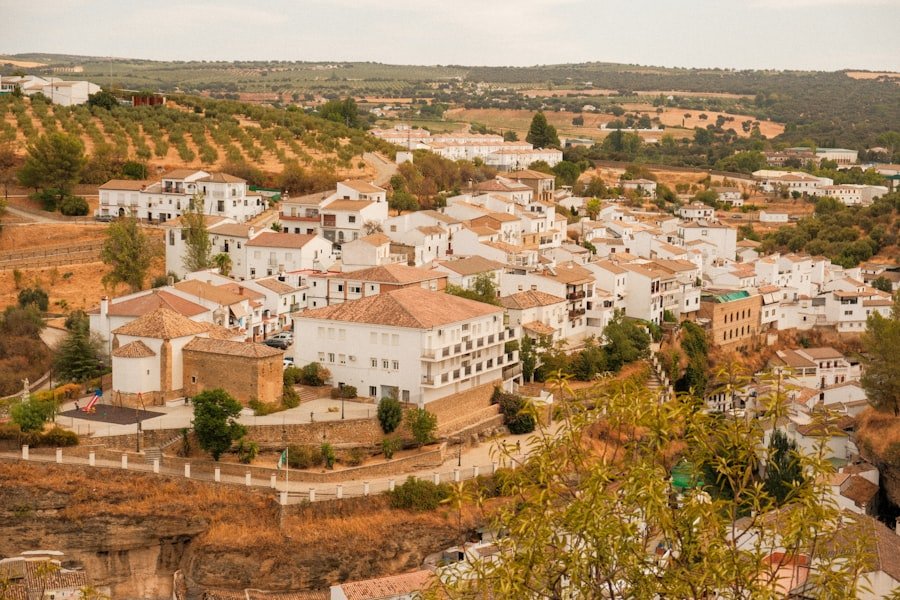
The tradition of building human towers, known as “castells,” is a remarkable cultural phenomenon originating from Catalonia, with Tarragona being one of its most prominent centers. This practice involves teams known as “collas” constructing intricate towers made entirely of human bodies, reaching impressive heights that can exceed ten levels. The roots of this tradition date back to the 18th century when it began as a form of celebration during local festivals.
Today, castells are recognized as an Intangible Cultural Heritage by UNESCO due to their significance in promoting teamwork, solidarity, and community spirit. The construction of a castell requires meticulous planning and coordination among team members. Each participant plays a specific role; those at the base provide stability while those higher up must maintain balance and composure amidst swaying movements.
The pinnacle of each tower typically features a child known as “el enxaneta,” who raises their hand to signal completion—a moment celebrated with cheers from onlookers below. Tarragona hosts several competitions throughout the year where different collas compete to build the tallest and most complex towers, showcasing their skills and creativity. These events draw large crowds who come to witness this breathtaking display of human strength and unity.
The Mystery of the Holy Grail in Valencia
Valencia holds a unique place in history due to its association with one of Christianity’s most legendary artifacts: the Holy Grail. According to local lore, this sacred chalice was brought to Valencia by Saint Peter after Christ’s crucifixion and has since been housed within Valencia Cathedral. The cathedral itself is an architectural marvel that combines Gothic, Romanesque, and Baroque styles, making it a significant landmark within the city.
Visitors flock to see what many believe to be the true Holy Grail—a claim that has sparked intrigue and debate among historians and theologians alike. The story surrounding Valencia’s Holy Grail adds an air of mystique to its cultural landscape. Various legends suggest that this artifact possesses miraculous powers capable of healing or granting eternal life to those who drink from it.
As such, it has become an integral part of Valencia’s identity, influencing local traditions and celebrations. Each year during Las Fallas—a festival dedicated to Saint Joseph—processions often feature representations of the Holy Grail alongside other religious symbols. This connection between faith and folklore enriches Valencia’s cultural tapestry while inviting visitors to explore its historical significance.
The Medieval Market in Ávila
The Medieval Market in Ávila transports visitors back in time to experience life during the Middle Ages through an immersive celebration filled with crafts, food, music, and performances. Held annually in September within Ávila’s historic walls—one of Spain’s best-preserved medieval fortifications—the market showcases traditional artisan crafts such as pottery, leatherwork, and textiles made using age-old techniques passed down through generations. This event not only highlights local craftsmanship but also fosters appreciation for historical practices that have shaped Ávila’s cultural heritage.
As attendees wander through stalls adorned with colorful banners and decorations reminiscent of medieval times, they can sample traditional foods such as roasted meats, cheeses, and pastries while enjoying live performances by musicians and street performers dressed in period costumes. The atmosphere is lively yet nostalgic; visitors are encouraged to engage with artisans who share stories about their crafts while demonstrating their skills firsthand. Additionally, various activities such as archery contests or storytelling sessions provide further insight into medieval life—making this market not just an opportunity for commerce but also an educational experience that celebrates Ávila’s rich history and traditions.
FAQs
What are some unique cultural experiences to enjoy in Spain’s small towns?
Spain’s small towns offer a variety of unique cultural experiences such as traditional festivals, local cuisine tasting, artisan crafts workshops, historical site visits, and participation in regional customs and celebrations.
Which regions in Spain are known for their charming small towns?
Regions like Andalusia, Castilla y León, Galicia, and La Rioja are renowned for their picturesque small towns that preserve rich cultural heritage and offer authentic local experiences.
Are there any famous festivals held in Spain’s small towns?
Yes, many small towns host famous festivals such as La Tomatina in Buñol, the Semana Santa processions in various towns, and the Feria de Abril in Seville’s surrounding villages, showcasing traditional music, dance, and local customs.
Can visitors participate in traditional crafts or workshops in these towns?
Many small towns offer workshops where visitors can learn traditional crafts like pottery, weaving, leatherwork, and flamenco dancing, providing hands-on cultural experiences.
Is it easy to travel to Spain’s small towns?
While some small towns are accessible by public transportation, many are best reached by car or guided tours. Planning ahead is recommended to ensure smooth travel.
What type of local cuisine can be experienced in Spain’s small towns?
Local cuisine varies by region but often includes traditional dishes made with fresh, local ingredients such as tapas, cured meats, cheeses, seafood, and regional specialties like paella or cocido.
Are there historical landmarks to visit in Spain’s small towns?
Yes, many small towns feature well-preserved historical landmarks including medieval castles, ancient churches, Roman ruins, and charming old town centers that reflect Spain’s diverse history.
When is the best time to visit Spain’s small towns for cultural experiences?
The best time to visit depends on the specific town and its festivals, but generally spring and autumn offer pleasant weather and numerous cultural events without the peak summer tourist crowds.
Do small towns in Spain offer accommodations for tourists?
Yes, many small towns have a range of accommodations including boutique hotels, guesthouses, rural inns (casas rurales), and bed and breakfasts that provide a cozy and authentic stay.
Is knowledge of Spanish necessary to enjoy cultural experiences in small towns?
While knowing Spanish enhances the experience, many towns have locals who speak some English, and cultural activities often transcend language barriers. Learning basic Spanish phrases can be helpful and appreciated.