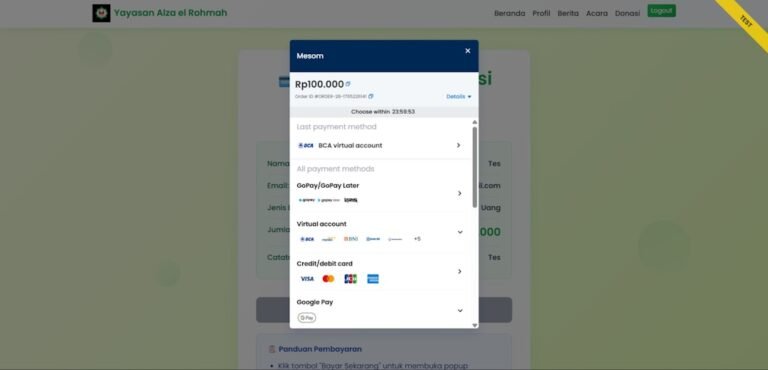

Tracking monthly expenses is an essential financial management practice that enables individuals to monitor and understand their spending patterns. By systematically recording all expenditures, people can identify where their money goes each month and pinpoint areas of excessive or unnecessary spending. Common examples include frequent restaurant meals, unused subscription services, or impulse purchases that accumulate over time.
Regular expense tracking provides several measurable benefits. It creates accountability by making spending visible and deliberate rather than automatic. It reveals the relationship between income and outgoing expenses, helping identify potential budget shortfalls before they become problematic.
When monthly expenses consistently exceed income, tracking data provides the specific information needed to make targeted reductions in discretionary spending categories or evaluate the need for additional income sources. This practice also supports evidence-based financial decision-making. Rather than relying on estimates or general impressions about spending, individuals can use actual data to set realistic budgets, prioritize expenses, and establish achievable savings goals.
The documentation process itself often reduces impulsive spending, as the act of recording purchases increases awareness of their cumulative financial impact.
Creating a Budget
Creating a budget is an essential step in managing personal finances effectively. A well-structured budget acts as a roadmap, guiding individuals toward their financial objectives while ensuring that they live within their means. The process begins with gathering all relevant financial information, including income sources and fixed and variable expenses.
By categorizing these elements, individuals can gain insight into their financial landscape and identify areas where adjustments may be necessary. Once the data is collected, the next step is to allocate funds to various categories based on priorities and goals. For instance, essential expenses such as housing, utilities, and groceries should be prioritized before allocating funds for discretionary spending like entertainment or dining out.
This prioritization ensures that basic needs are met while still allowing for some flexibility in spending. Additionally, setting aside a portion of income for savings or emergency funds is crucial in creating a balanced budget that prepares individuals for unexpected financial challenges.
Utilizing Expense Tracking Tools

In today’s digital age, numerous tools and applications are available to assist individuals in tracking their expenses efficiently. These tools range from simple spreadsheets to sophisticated budgeting apps that automatically categorize transactions and provide insights into spending patterns. Utilizing such technology can significantly streamline the expense tracking process, making it easier for individuals to stay organized and informed about their financial situation.
For example, apps like Mint or YNAB (You Need A Budget) allow users to link their bank accounts and credit cards, automatically importing transactions and categorizing them accordingly. This automation reduces the manual effort required to track expenses and minimizes the likelihood of errors. Furthermore, many of these tools offer visual representations of spending habits through graphs and charts, making it easier to identify trends over time.
By leveraging these resources, individuals can enhance their financial literacy and make more informed decisions regarding their spending.
Categorizing Expenses
Categorizing expenses is a critical component of effective expense tracking and budgeting. By breaking down expenditures into specific categories—such as housing, transportation, groceries, entertainment, and savings—individuals can gain a clearer picture of where their money is going each month. This categorization not only aids in identifying areas for potential savings but also helps in understanding the overall financial health of an individual or household.
For instance, someone might categorize their monthly expenses into fixed costs (like rent or mortgage payments) and variable costs (such as dining out or shopping). By analyzing these categories, they may realize that they are overspending on non-essential items while neglecting savings goals. This insight can prompt a reassessment of priorities and encourage more mindful spending habits.
Additionally, categorizing expenses allows individuals to set specific limits for each category, fostering discipline and accountability in their financial management.
Setting Realistic Financial Goals
| Strategy | Description | Key Metrics | Tools/Methods |
|---|---|---|---|
| Set a Budget | Define monthly spending limits for different categories. | Budgeted Amount vs Actual Spending | Spreadsheets, Budgeting Apps |
| Track All Expenses | Record every expense to avoid missing any costs. | Number of Transactions Recorded, Expense Completeness | Mobile Expense Trackers, Receipts |
| Categorize Expenses | Group expenses into categories like food, transport, utilities. | Category-wise Spending Percentage | Budgeting Software, Manual Tagging |
| Review Monthly Reports | Analyze spending patterns and identify areas to cut costs. | Monthly Spending Summary, Variance Analysis | Financial Dashboards, Reports |
| Automate Expense Tracking | Use tools that automatically import and categorize expenses. | Automation Rate, Time Saved | Bank-linked Apps, AI-based Trackers |
| Set Alerts and Reminders | Get notified when approaching budget limits or due dates. | Number of Alerts Triggered, Budget Breaches | App Notifications, Calendar Reminders |
| Regularly Update Expense Records | Maintain up-to-date records to ensure accuracy. | Frequency of Updates, Data Accuracy | Daily Logs, Expense Journals |
Setting realistic financial goals is paramount for anyone looking to improve their financial situation. These goals provide direction and motivation, helping individuals stay focused on their long-term objectives. When establishing financial goals, it is essential to consider both short-term and long-term aspirations.
Short-term goals might include saving for a vacation or paying off credit card debt, while long-term goals could involve saving for retirement or purchasing a home. To ensure that these goals are achievable, individuals should employ the SMART criteria—Specific, Measurable, Achievable, Relevant, and Time-bound. For example, instead of setting a vague goal like “I want to save money,” one might specify “I will save $5,000 for a down payment on a house within the next two years.” This clarity not only makes the goal more tangible but also allows for better tracking of progress over time.
By regularly reviewing and adjusting these goals as circumstances change, individuals can maintain motivation and adapt to new financial realities.
Monitoring and Adjusting Expenses
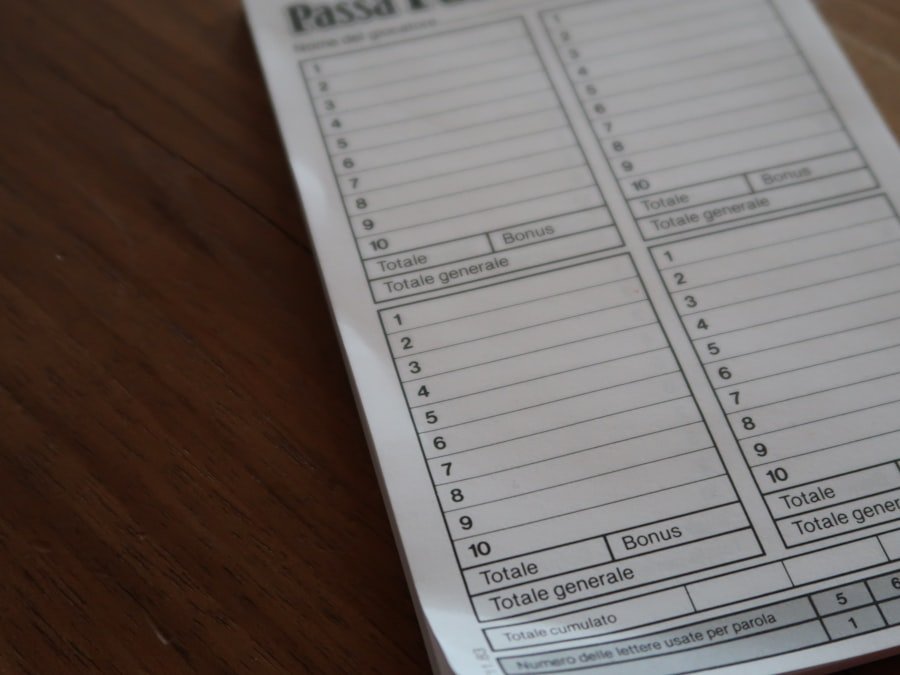
Monitoring and adjusting expenses is an ongoing process that requires diligence and flexibility. Once a budget is established and financial goals are set, it is crucial to regularly review spending patterns to ensure alignment with those objectives. This monitoring can be done weekly or monthly, depending on individual preferences and needs.
By consistently checking in on expenses, individuals can identify any deviations from their budget and make necessary adjustments. For instance, if someone notices that they are consistently overspending in a particular category—such as entertainment—they may need to reassess their budget allocation or find ways to reduce those costs. This could involve seeking out free or low-cost activities or setting stricter limits on discretionary spending.
Additionally, life circumstances can change unexpectedly; job loss, medical emergencies, or other unforeseen events may necessitate a reevaluation of financial priorities. By remaining adaptable and proactive in monitoring expenses, individuals can navigate these challenges more effectively.
Strategies for Saving Money
Implementing effective strategies for saving money is essential for achieving financial stability and reaching long-term goals. One common approach is the “pay yourself first” strategy, which involves setting aside a portion of income for savings before addressing other expenses. This method ensures that savings become a priority rather than an afterthought.
For example, an individual might automate transfers to a savings account each payday, making it easier to build an emergency fund or save for specific goals. Another effective strategy is to adopt a frugal mindset by seeking out ways to reduce everyday expenses without sacrificing quality of life. This could include cooking at home instead of dining out, using public transportation instead of driving, or shopping during sales events.
Additionally, individuals can explore opportunities for passive income through side hustles or investments that generate additional revenue streams. By combining these strategies with disciplined expense tracking and budgeting practices, individuals can significantly enhance their ability to save money over time.
Seeking Professional Financial Advice
While many individuals can manage their finances independently through diligent tracking and budgeting practices, there are instances where seeking professional financial advice becomes invaluable. Financial advisors possess expertise in various areas such as investment strategies, tax planning, retirement savings, and estate planning. Engaging with a professional can provide tailored guidance based on an individual’s unique financial situation and goals.
For example, someone nearing retirement may benefit from consulting with a financial advisor to develop a comprehensive retirement plan that maximizes savings while minimizing tax liabilities. Similarly, individuals facing complex financial decisions—such as buying a home or starting a business—can gain insights from professionals who understand the nuances of these processes. While there may be costs associated with hiring a financial advisor, the potential benefits often outweigh the investment when it comes to achieving long-term financial success.
FAQs
What are the benefits of tracking monthly expenses?
Tracking monthly expenses helps you understand where your money is going, identify spending patterns, create a realistic budget, and improve financial discipline. It also aids in saving money and preparing for unexpected expenses.
What tools can I use to track my monthly expenses effectively?
You can use various tools such as spreadsheets (e.g., Microsoft Excel or Google Sheets), budgeting apps (e.g., Mint, YNAB, or PocketGuard), or even a simple notebook to record and categorize your expenses.
How often should I update my expense tracking records?
It is recommended to update your expense records daily or at least weekly to ensure accuracy and avoid missing any transactions.
What categories should I include when tracking monthly expenses?
Common categories include housing (rent or mortgage), utilities, groceries, transportation, entertainment, dining out, healthcare, insurance, savings, and miscellaneous expenses.
How can I ensure accuracy when tracking expenses?
Keep all receipts, review bank and credit card statements regularly, and categorize expenses consistently. Using automated tools linked to your bank accounts can also reduce errors.
Can tracking expenses help with debt management?
Yes, by tracking expenses, you can identify unnecessary spending and allocate more funds toward paying off debt, helping you create a debt repayment plan.
Is it necessary to track every single expense?
While tracking every expense provides the most accurate picture, some people prefer to track major expenses and regular purchases to balance effort and effectiveness.
How can I stay motivated to track my expenses regularly?
Set clear financial goals, review your progress monthly, reward yourself for milestones, and use user-friendly tools to make the process easier and more engaging.
What should I do if I find my expenses exceed my income?
Analyze your spending categories to identify areas to cut back, prioritize essential expenses, and consider increasing your income or adjusting your budget accordingly.
Can tracking expenses help with long-term financial planning?
Yes, consistent expense tracking provides valuable data that can inform savings goals, investment strategies, and retirement planning.