Demographic shifts are fundamentally changing who is buying homes, what they’re looking for, and where they want to live. It’s not a sudden earthquake, but more like a slow, steady reshuffling of the deck, and understanding these changes is key to grasping what the real estate market might look like in the coming years.
The Changing Face of the Homebuyer
The stereotypical image of a young family buying their first home is becoming less common. The people in the market today, and the people who will be in the market tomorrow, are different. Their life stages, financial situations, and priorities are shifting, and this has a direct impact on housing demand.
More Single Women Entering the Market
One of the most significant, yet often overlooked, demographic trends is the rise of single female homebuyers. Changes in marriage rates and birth rates mean more women are forming households on their own. This isn’t just a niche phenomenon; it’s a substantial segment of the market that needs to be understood.
- Independent Household Formation: As women delay marriage and childbearing, or choose not to marry or have children, their financial independence grows. This leads them to make significant investments in real estate for themselves.
- Priorities in Purchasing: Single female buyers often prioritize safety, convenience, and proximity to amenities and work. They might be more inclined towards properties that offer a manageable size and low maintenance.
- Financial Considerations: While financial preparedness is crucial for any buyer, single women may approach it with a different timeline and set of goals than couples, potentially influencing their loan requirements and property choices.
Baby Boomers: Not Just Leaving the Market, but Reshaping It
The sheer size of the Baby Boomer generation means their housing decisions have an outsized impact. While many associate this generation with downsizing or leaving the housing market entirely, the reality is more nuanced. Many are still active buyers and sellers, and their decisions are driven by evolving needs, especially concerning family.
- The Grandchild Factor: As Baby Boomers age and their children start families, a powerful driver emerges: proximity to grandchildren. This leads to a migration of older adults seeking homes in areas where their children and grandchildren live, even if it means moving away from their long-time residences.
- Shifting from Ownership to Rental or Multigenerational Living: As the oldest Boomers approach their late 70s and 80s, a significant portion will transition from homeownership to renting or moving into multigenerational homes with their adult children. This will free up a considerable amount of existing housing stock, but also create demand for different types of living arrangements. The drop in homeownership rates after age 75 is stark, indicating a clear trend.
- Demand for Accessible and Low-Maintenance Homes: For those Boomers who remain homeowners, there’s an increasing demand for properties that are easier to maintain and adapt to aging in place. This could mean single-story living, fewer stairs, and homes with updated accessibility features.
The Squeeze on First-Time Buyers
The path to homeownership is becoming significantly longer and more challenging, particularly for younger generations. The dream of buying a starter home early in adulthood is increasingly difficult to achieve due to a combination of factors.
- Delayed Household Formation: Young adults are delaying key life milestones like marriage and starting families. Many are living with their parents longer than previous generations, not necessarily by choice but due to economic pressures. This pent-up demand, however, means that when they are ready to buy, their needs and expectations might be different.
- Rising Median Age of First-Time Buyers: The age at which people buy their first home has steadily increased. This means that by the time they enter the market, they may have different financial capabilities and housing preferences than someone buying at a younger age.
- Affordability as a Primary Barrier: The cost of housing, coupled with student loan debt and the rising cost of living, makes it incredibly difficult for many young people to save for a down payment and qualify for a mortgage. This prolonged delay in purchasing contributes to the overall shift in buyer demographics.
What Buyers Want: Smaller Homes, More Flexibility
The profile of the typical household is changing, and so are their housing needs. With fewer children in many homes and a greater emphasis on affordability and lifestyle, the demand for certain types of homes is shifting.
Shrinking Households, Shrinking Homes
The traditional image of a large family raising children in a sprawling suburban house is less prevalent. The decrease in average household size directly influences the type of housing that is in demand.
- Fewer Children Necessitating Fewer Bedrooms: With a declining birth rate and fewer children per household on average, the need for an excessive number of bedrooms is diminishing for a significant portion of the market. This translates to a demand for smaller, more efficient homes.
- Preference for Flex Spaces: Instead of dedicated rooms for every family member, there’s a growing interest in flexible spaces that can adapt to changing needs. Think home offices, hobby rooms, or guest areas that can serve multiple purposes.
- Focus on Amenities and Efficiency: Given broader affordability issues, buyers are looking for value. This often means prioritizing homes with modern, energy-efficient features and amenities that enhance their lifestyle without significantly increasing the overall square footage or cost of the home.
The Rise of the “Flex Space” and Essential Amenities
As households become smaller and priorities shift, the design and features within homes are adapting. The emphasis is shifting from sheer size to functionality and modern conveniences.
- Home Offices for a Remote-Dominated World: The widespread adoption of remote and hybrid work models has made dedicated home office space a crucial feature, not just a luxury. This demand influences the layout of rooms and the desirability of properties that can easily accommodate this.
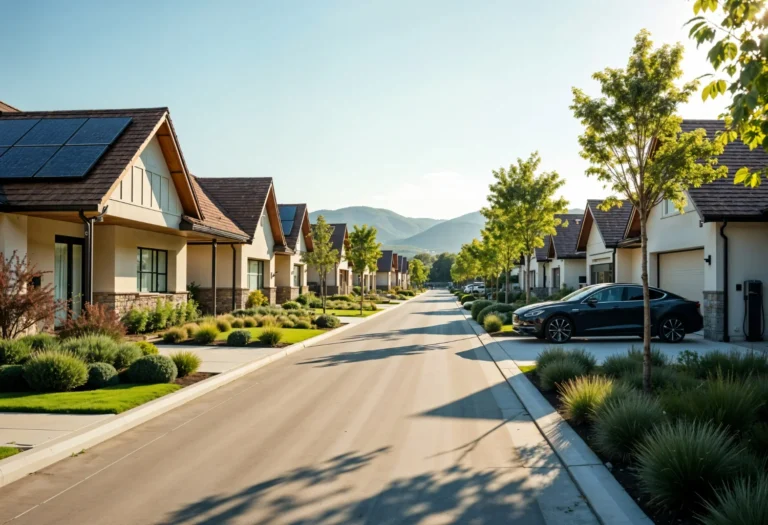
- EV Charging Infrastructure: With the increasing adoption of electric vehicles, built-in EV charging capabilities are becoming a sought-after amenity. For many buyers, this is moving from a “nice-to-have” to a “must-have” as they plan for the future.
- Outdoor Living and Community Spaces: Even as indoor spaces shrink, there’s a continued desire for connection to the outdoors. Well-designed patios, balconies, and access to community green spaces are highly valued, especially in urban and suburban settings where land can be at a premium.
Geographic Shifts: Where Families Are Growing
While the national birth rate may be declining, this doesn’t mean family growth has stopped entirely. Instead, it’s becoming concentrated in specific regions, redirecting housing demand towards certain areas.
Young Families Migrating to the Southeast
Despite national trends, certain areas are experiencing a surge in young families. These regions often offer a combination of affordability, job opportunities, and a desirable lifestyle, drawing in new residents.
- Attraction of Lower Cost of Living: Compared to more established, expensive urban centers, the Southeast often presents a more attractive cost of living, making it easier for young families to afford housing and raise children.
- Job Growth and Diversification: Many of these growing areas in the Southeast have seen significant job growth across various sectors, making them appealing destinations for young professionals looking to start or advance their careers while raising a family.
- Quality of Life and Community: Proximity to beaches, outdoor recreation, and a generally family-friendly atmosphere contribute to the appeal of these regions for those seeking a balanced lifestyle. States like the Carolinas, Tennessee, Georgia, Florida, and Texas are seeing substantial influxes.
The Impact on Local Housing Markets
This migration pattern has direct consequences for the housing markets in these popular destinations. Demand outstrips supply, leading to a variety of impacts.
- Increased Competition for Homes: The influx of people means more buyers competing for a limited number of properties, driving up prices and creating bidding wars.
- New Construction Boom: To meet the rising demand, there’s often a surge in new home construction in these areas. Builders are working to keep pace with the growing population and evolving housing preferences.
- Infrastructure Strain: Rapid population growth can put a strain on local infrastructure, including schools, transportation, and utilities, which can influence the desirability and long-term development of these areas.
The Workforce and Its Influence on Demand
The makeup and behavior of the workforce are intrinsically linked to housing. As the workforce ages and population growth slows, this has ripple effects on the real estate market.
An Aging Workforce and Softening Population Growth
The demographic reality of an aging population and slower overall population growth has significant implications for economic activity, including the demand for housing.
- Labor Shortages and Economic Headwinds: An aging workforce means fewer people entering their prime earning and spending years, potentially leading to labor shortages and slower economic expansion. This can have a dampening effect on overall housing demand.
- Reduced Consumer Spending Power: As more people retire, there might be a decrease in aggregate consumer spending on large purchases like homes, influencing market dynamics.
- Potential for Increased Inventory: As Baby Boomers continue to age out of the workforce and potentially downsize or move into assisted living, this could gradually free up existing housing inventory, offering some relief to supply constraints in certain markets.
The Role of Immigration and Skilled Labor
While overall population growth might be slowing, immigration can play a crucial role in offsetting these trends and influencing demand in specific sectors and regions.
- Immigration as a Demand Driver: Immigrants often form new households and contribute to housing demand, particularly in urban and suburban areas where job opportunities are concentrated.
- Demand for Entry-Level and Workforce Housing: Newly arrived immigrants often require affordable housing options, creating a specific demand segment that builders and developers may need to address.
- Impact on Local Economies and Job Markets: Immigrants contribute to the labor force and can stimulate local economies, indirectly supporting housing demand through job creation and increased economic activity.
How Builders Are Responding to These Shifts
The real estate development industry is not static; builders are constantly adapting to changing market conditions, and current demographic trends are a major catalyst for innovation.
Adapting to Remote Work and Aging Stock
Builders are recognizing that the way people work and live has changed, and they are designing homes that reflect these new realities.
- Designing for the Home Office: As mentioned, the demand for dedicated home office spaces is a direct response to the rise of remote work. Builders are incorporating flexible room designs that can easily convert into functional workspaces.
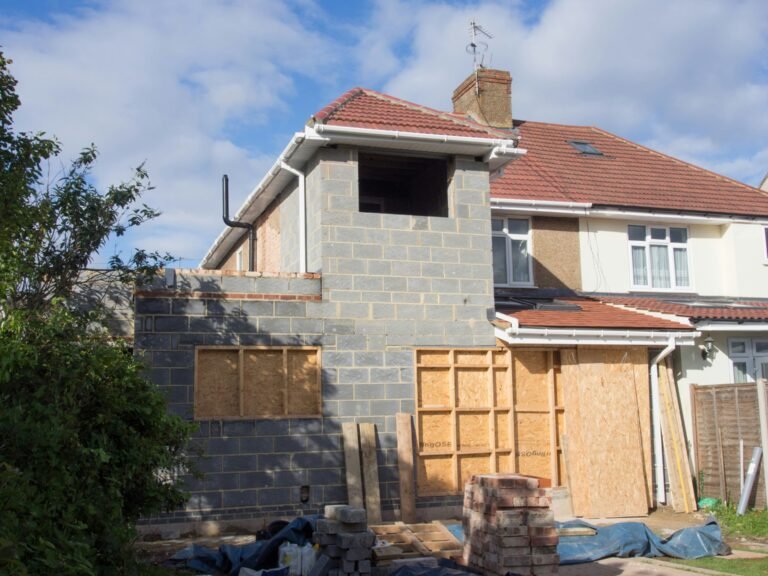
- Revitalizing Aging Properties: A significant portion of the existing housing stock is aging. Builders are increasingly focused on renovating and updating older homes to meet modern standards and buyer expectations, which can be more cost-effective than new construction.
- Focus on Sustainability and Efficiency: Buyers, regardless of age, are increasingly concerned with energy efficiency and sustainability. Builders are responding by incorporating better insulation, energy-efficient appliances, and smart home technologies.
Innovative Construction Methods and Incentives
To address affordability concerns and evolving buyer preferences, builders are exploring new construction methods and offering incentives to attract buyers.
- Modular and Prefabricated Construction: These methods can speed up construction timelines and potentially lower costs, making homes more accessible. They also allow for greater design flexibility and quality control.
- Incentives and Buyer Support: Builders are using various incentives, such as covering closing costs, offering upgrades, or providing down payment assistance, to make purchasing a home more attainable, especially for first-time buyers.
- Smaller Footprints, Smarter Designs: Responding to the trend of shrinking households and affordability issues, builders are focusing on constructing smaller, more efficiently designed homes that still offer the amenities and flexibility buyers desire. This might include well-planned layouts, generous storage solutions, and the integration of outdoor living spaces.
FAQs
What are demographic shifts in real estate demand patterns?
Demographic shifts refer to changes in the composition of a population, including factors such as age, income, family size, and ethnicity. These shifts can have a significant impact on the demand for different types of real estate, such as single-family homes, apartments, and commercial properties.
How do demographic shifts affect real estate demand patterns?
Demographic shifts can affect real estate demand patterns in various ways. For example, an aging population may lead to increased demand for retirement communities and assisted living facilities, while a growing number of young professionals may drive demand for urban apartments and mixed-use developments.
What are some examples of demographic shifts impacting real estate demand patterns?
Examples of demographic shifts impacting real estate demand patterns include the increasing demand for smaller, more affordable homes as millennials enter the housing market, and the growing interest in walkable, transit-friendly neighborhoods among both young professionals and empty nesters.
How are real estate developers and investors responding to demographic shifts?
Real estate developers and investors are responding to demographic shifts by adapting their strategies to meet changing demand. This may involve building more multifamily housing to accommodate a growing number of renters, or redeveloping underutilized properties to create mixed-use developments that appeal to a diverse range of demographics.
What are the long-term implications of demographic shifts on real estate demand patterns?
The long-term implications of demographic shifts on real estate demand patterns are significant, as they can influence everything from the types of properties that are in demand to the locations that are most desirable. Understanding and anticipating these shifts is crucial for real estate professionals looking to make informed investment and development decisions.
About the Author