Before embarking on any organizational project, it is crucial to conduct a thorough assessment of your space. This initial evaluation serves as the foundation for all subsequent steps in the organization process. Begin by taking a comprehensive inventory of the area you wish to organize.
This could be a room, a closet, or even an entire home. Pay attention to the dimensions, layout, and existing furniture or fixtures that may impact your organizational strategy. Consider how you currently use the space and identify any pain points that hinder functionality.
For instance, if you find yourself frequently tripping over shoes in the entryway, this indicates a need for a more efficient storage solution. As you assess your space, take note of the natural light, traffic flow, and any other environmental factors that may influence your organization efforts. For example, a cluttered kitchen countertop may not only be visually unappealing but can also impede your ability to prepare meals efficiently.
By understanding how you interact with your space, you can tailor your organization strategy to enhance both aesthetics and functionality. Document your observations and create a list of specific goals you want to achieve through the organization process, such as creating a more inviting atmosphere or improving accessibility to frequently used items.
Declutter and Purge
Once you have assessed your space, the next step is to declutter and purge unnecessary items. This process can be both liberating and daunting, as it often requires confronting emotional attachments to belongings. Start by tackling one area at a time to avoid feeling overwhelmed.
For instance, if you are organizing a bedroom, begin with the closet. Remove all clothing items and assess each piece individually. Ask yourself questions such as, “Have I worn this in the past year?” or “Does this still fit my current style?” Items that no longer serve a purpose or bring joy should be set aside for donation or disposal.
In addition to clothing, consider other categories of items that may have accumulated over time, such as books, kitchen gadgets, or sentimental objects. The key is to be honest with yourself about what you truly need and use. For example, if you have multiple sets of measuring cups but only use one regularly, it may be time to let go of the extras.
Establishing a decluttering system can also be beneficial; for instance, the “one in, one out” rule encourages you to remove an item whenever you acquire something new. This proactive approach helps maintain a clutter-free environment in the long run.
Categorize and Label

After decluttering, the next logical step is to categorize and label your remaining items. Organizing belongings into specific categories not only simplifies the storage process but also makes it easier to locate items when needed. Begin by grouping similar items together; for example, in a kitchen pantry, you might categorize items into baking supplies, canned goods, snacks, and spices.
This method allows for a more intuitive organization system that aligns with how you use your space. Once you have established categories, labeling becomes essential for maintaining order. Labels serve as visual cues that help everyone in the household understand where items belong.
You can use pre-made labels or create your own using a label maker or simple adhesive tags. For instance, in a home office, clearly labeled bins for documents, office supplies, and reference materials can streamline workflow and reduce time spent searching for necessary items. Additionally, consider using color-coded labels for different categories to enhance visual organization further.
Utilize Storage Containers
Storage containers are invaluable tools in any organization project. They provide structure and containment for your belongings while maximizing available space. When selecting storage containers, consider factors such as size, material, and transparency.
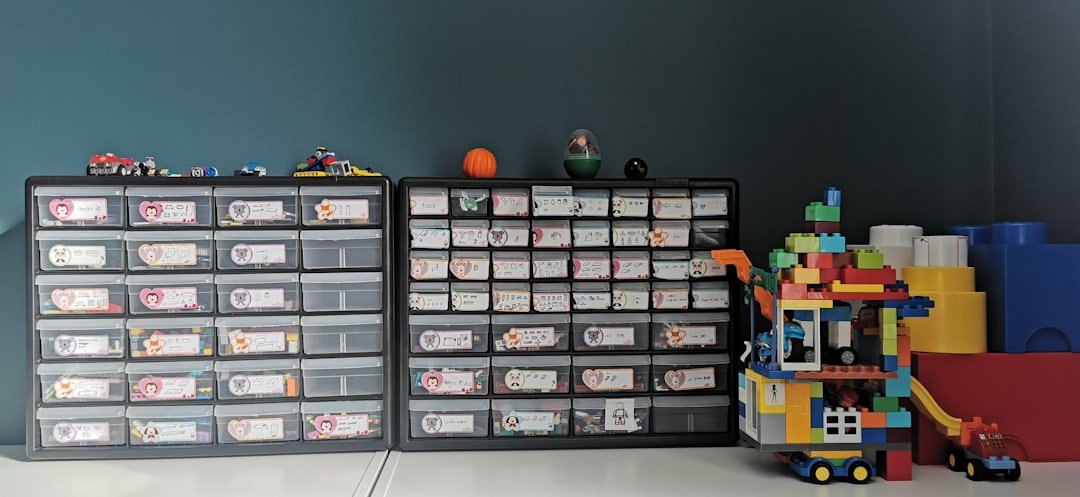
Clear plastic bins are particularly useful because they allow you to see contents at a glance without having to open each container. For example, in a children’s playroom, clear bins labeled with pictures of toys can help kids easily identify where their belongings belong. In addition to clear bins, consider using decorative storage solutions that complement your home’s aesthetic.
Woven baskets or stylish boxes can add an element of design while still serving a functional purpose. When organizing spaces like living rooms or bedrooms, these decorative containers can blend seamlessly with your decor while keeping clutter at bay. Furthermore, ensure that containers are appropriately sized for their contents; overstuffed bins can lead to frustration when trying to retrieve items.
Maximize Vertical Space
| Tip | Description | Benefit | Example Metric |
|---|---|---|---|
| Label Everything | Use clear labels on boxes, bins, and shelves to identify contents. | Reduces time spent searching for items. | Search time reduced by up to 50% |
| Use Clear Containers | Store items in transparent bins to easily see contents without opening. | Improves visual inventory management. | Visual identification accuracy: 90% |
| Group Similar Items | Keep related items together to streamline access and restocking. | Enhances efficiency and reduces clutter. | Access time improvement: 30% |
| Utilize Vertical Space | Install shelves or stack bins to maximize storage capacity. | Increases storage volume without expanding footprint. | Storage capacity increase: 40% |
| Regularly Declutter | Periodically remove unused or unnecessary items. | Maintains organization and frees up space. | Space reclaimed: up to 25% |
| Create Zones | Designate specific areas for different categories or activities. | Facilitates faster retrieval and better workflow. | Retrieval speed increase: 20% |
| Use Inventory Lists | Keep a written or digital list of stored items and their locations. | Prevents overbuying and eases item tracking. | Inventory accuracy: 95% |
In many homes, vertical space is underutilized, yet it offers significant potential for organization. By thinking vertically, you can free up valuable floor space and create a more open environment. Start by assessing areas where vertical storage solutions can be implemented.
For instance, wall-mounted shelves can be installed in kitchens to hold spices or cookbooks, while floating shelves in living rooms can display decorative items or books without taking up floor space. Another effective way to maximize vertical space is through the use of hooks and pegboards. In entryways or mudrooms, hooks can be installed for coats and bags, keeping them off the floor and easily accessible.
In garages or workshops, pegboards can hold tools and supplies in an organized manner while allowing for easy visibility and access. By utilizing vertical space creatively, you not only enhance organization but also add visual interest to your home.
Implement a Maintenance Routine
Creating an organized space is only half the battle; maintaining that order requires consistent effort and a well-defined routine. Establishing a maintenance routine helps ensure that clutter does not creep back into your life after you’ve put in the hard work of organizing. Start by setting aside time each week or month to review your spaces and address any areas that may need attention.
This could involve tidying up surfaces, returning misplaced items to their designated spots, or reassessing storage solutions. Incorporating daily habits into your routine can also significantly contribute to long-term organization success. For example, adopting the habit of putting things away immediately after use can prevent clutter from accumulating over time.
Additionally, consider implementing a “15-minute tidy-up” at the end of each day where everyone in the household participates in putting away items and straightening up common areas. This collective effort fosters accountability and ensures that everyone contributes to maintaining an organized environment.
Consider Accessibility
When organizing your space, accessibility should be a top priority. The goal is not only to create an aesthetically pleasing environment but also one that functions efficiently for everyone who uses it. Evaluate how frequently you access certain items and arrange them accordingly.
For example, in a kitchen, everyday utensils should be stored within easy reach while less frequently used appliances can be placed on higher shelves or in less accessible areas. Additionally, consider the needs of all household members when determining accessibility. If young children are part of the household, ensure that their toys and belongings are stored at their height so they can independently access their items without assistance.
Similarly, for individuals with mobility challenges, placing frequently used items at waist level can enhance usability and comfort within the space. By prioritizing accessibility in your organization strategy, you create an inclusive environment that caters to everyone’s needs.
Seek Professional Help if Needed
While many individuals successfully organize their spaces on their own, there are instances where seeking professional help may be beneficial. Professional organizers bring expertise and experience that can streamline the process and provide tailored solutions based on individual needs. If you find yourself overwhelmed by clutter or unsure where to start despite following best practices, enlisting the help of an expert can provide clarity and direction.
Professional organizers often offer personalized consultations where they assess your space and develop customized strategies for organization based on your lifestyle and preferences. They can also provide valuable insights into effective storage solutions that you may not have considered on your own. For example, they might suggest innovative ways to repurpose furniture or utilize hidden spaces within your home that maximize efficiency without compromising style.
Ultimately, investing in professional help can save time and reduce stress while ensuring that your organizational goals are met effectively. By following these steps—assessing your space thoroughly, decluttering effectively, categorizing thoughtfully, utilizing storage containers wisely, maximizing vertical space creatively, implementing maintenance routines diligently, considering accessibility carefully, and seeking professional help when necessary—you can transform any area into an organized haven that enhances both functionality and aesthetics in your home.
FAQs
What is an organized storage system?
An organized storage system is a method of arranging and storing items in a way that maximizes space, improves accessibility, and maintains order. It typically involves categorizing items, using appropriate containers, and labeling to ensure everything has a designated place.
Why is it important to have an organized storage system?
Having an organized storage system helps save time by making it easier to find items, reduces clutter, protects belongings from damage, and can improve overall efficiency in both home and work environments.
What are some basic tips for creating an organized storage system?
Basic tips include decluttering before organizing, grouping similar items together, using clear or labeled containers, maximizing vertical space with shelves, and regularly maintaining the system to keep it functional.
How can I decide what storage containers to use?
Choose storage containers based on the size and type of items you need to store. Clear containers are helpful for visibility, while stackable bins save space. Consider durability, ease of access, and whether the containers fit the storage area.
How often should I review and update my storage system?
It is recommended to review and update your storage system at least once or twice a year to remove unused items, reorganize as needed, and ensure the system continues to meet your needs.
Can labeling help in maintaining an organized storage system?
Yes, labeling containers and shelves helps quickly identify contents, reduces the time spent searching for items, and encourages putting things back in their designated spots.
Is it better to store items by frequency of use or by category?
Both methods can be effective. Storing frequently used items in easily accessible locations improves convenience, while grouping items by category helps maintain order. Combining both approaches often yields the best results.
What role does decluttering play in creating an organized storage system?
Decluttering is essential as it removes unnecessary items, freeing up space and making it easier to organize and store only what is needed, leading to a more efficient storage system.
About the Author